In the world of boating, safety is a paramount concern. According to the U.S. Coast Guard, approximately 80% of boating accident fatalities occur on vessels where safety gear is not used. It raises an urgent question: what safety gear is required for boats? Understanding this can significantly enhance safety and enjoyment on the water.
It is critical to know the essential safety gear. Personal flotation devices (PFDs), fire extinguishers, and communication devices are just the beginning. Many boaters overlook the importance of emergency signaling devices. The absence of such equipment can lead to dire consequences. In fact, a study by the National Marine Manufacturers Association states that about 70% of boaters do not carry proper signaling gear. This oversight is a serious reflection of preparedness.
Moreover, maintaining and updating gear regularly contributes to reliability. The industry suggests performing a safety check before every trip. Yet, many boaters neglect this practice. Investing in proper safety gear can lower the risk of accidents and fatalities. Ignoring these statistics risks not only personal safety but also the safety of others on the water.
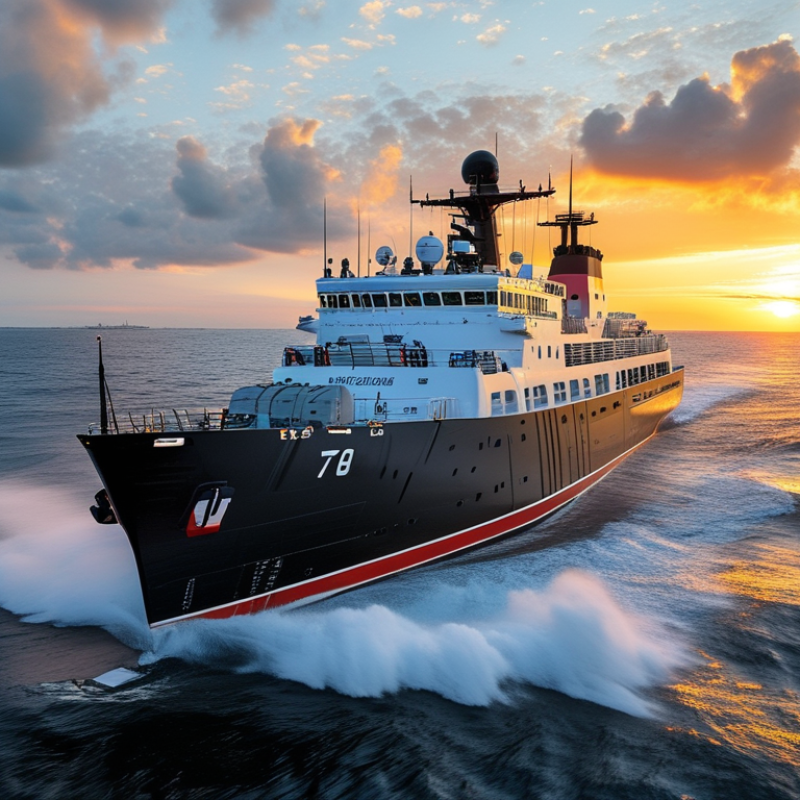
In 2026, ensuring safety while boating is paramount. Recent studies reveal that nearly 70% of boating accidents result from preventable causes. Hence, equipping your boat with essential safety gear is vital. Life jackets remain a critical component. According to the U.S. Coast Guard, life jackets can reduce drowning risk by 80%. Having enough properly fitting jackets for every passenger ensures compliance and safety.
A reliable fire extinguisher is another necessity. Data shows that a staggering 15% of boating accidents involve fires. Having at least one U.S. Coast Guard-approved extinguisher on board is not just recommended; it is required for most vessels. It's also important to regularly check your extinguisher for functionality and compliance.
Moreover, having a signaling device is crucial. Flares, whistles, or horns can alert others during emergencies. Research indicates that 50% of boaters do not carry adequate signaling devices. This could increase risks during unfortunate events. Reflecting on these findings highlights the significant gaps in basic boating safety practices that need addressing. Prioritizing safety gear improves everyone's out on the water.
| Safety Gear | Description | Required by Law | Usage Tips |
|---|---|---|---|
| Personal Flotation Device (PFD) | A lifesaving device designed to keep a person afloat. | Yes | Ensure proper fit and wear at all times. |
| Fire Extinguisher | Used to put out small fires that may occur on the boat. | Yes | Check annually for functionality. |
| Flares | Used to signal distress or communicate location. | Yes | Check expiration dates and replace as needed. |
| First Aid Kit | Contains supplies to manage minor injuries or emergencies. | Recommended | Check contents regularly and restock as needed. |
| Whistle | A signal device that can attract attention in emergencies. | Recommended | Keep on a lanyard for easy access. |
| Anchor | Helps secure the boat in place during stops. | Recommended | Know how to set and retrieve the anchor properly. |
: Safety gear prevents accidents. Nearly 70% of boating accidents are avoidable. Proper gear saves lives.
Life jackets reduce drowning risks by 80%. Every passenger needs a properly fitting jacket. Safety should always be a priority.
A U.S. Coast Guard-approved extinguisher is necessary. Check its functionality often. Ignoring this can lead to disaster.
Flares, whistles, and horns are essential. Many boaters lack adequate signaling devices, increasing emergency risks. Reflect on your current equipment.
Select a PFD that fits snugly but isn’t too tight. Consider the activity and environment. Accessibility is vital for emergencies.
Expired flares can delay rescue operations. Regular checks are crucial. Neglecting this can be a fatal mistake.
They significantly enhance response times in emergencies. Effective tools increase confidence and preparedness among boaters.
Many forget to check the serviceability of their equipment. This oversight can be disastrous in critical moments.
Familiarity with equipment improves overall safety. Understanding your tools helps during emergencies. Don’t take knowledge for granted.
Regularly assess your safety gear and practices. Acknowledge areas for improvement. This can make a life-saving difference.
In the article titled "2026 Best Safety Gear Required for Boats: What Do You Need?", a comprehensive overview of essential safety gear for boating is provided. The piece emphasizes the importance of understanding regulations and standards regarding required equipment, which aim to ensure safe boating experiences. Central to these guidelines is the discussion of Personal Flotation Devices (PFDs), highlighting their various types and critical role in enhancing boating safety.
Additionally, the article addresses the necessity of emergency signaling devices, which ensure that help is readily accessible in times of need. It also underscores the significance of well-equipped first aid kits as part of boating safety preparedness. Overall, readers are urged to assess "what safety gear is required for boats" to promote safety and compliance while enjoying their time on the water.

 Green Boat