When it comes to enjoying time on the water, the right boat windshield can make all the difference. A good windshield protects you from wind and water splashes. It enhances visibility and comfort during your boating adventures. Choosing the best one can be confusing.
Boat windshields come in various shapes, sizes, and materials. Some are made from toughened glass, while others use acrylic or polycarbonate. Each material has its advantages and drawbacks. A distorted view is one common issue with cheaper options.
In the end, selecting the ideal boat windshield is crucial for a pleasurable experience. Sometimes, you need to weigh durability against clarity. The market is filled with options, but not all will meet your needs. Take your time to research and consider how each choice affects your water adventures.
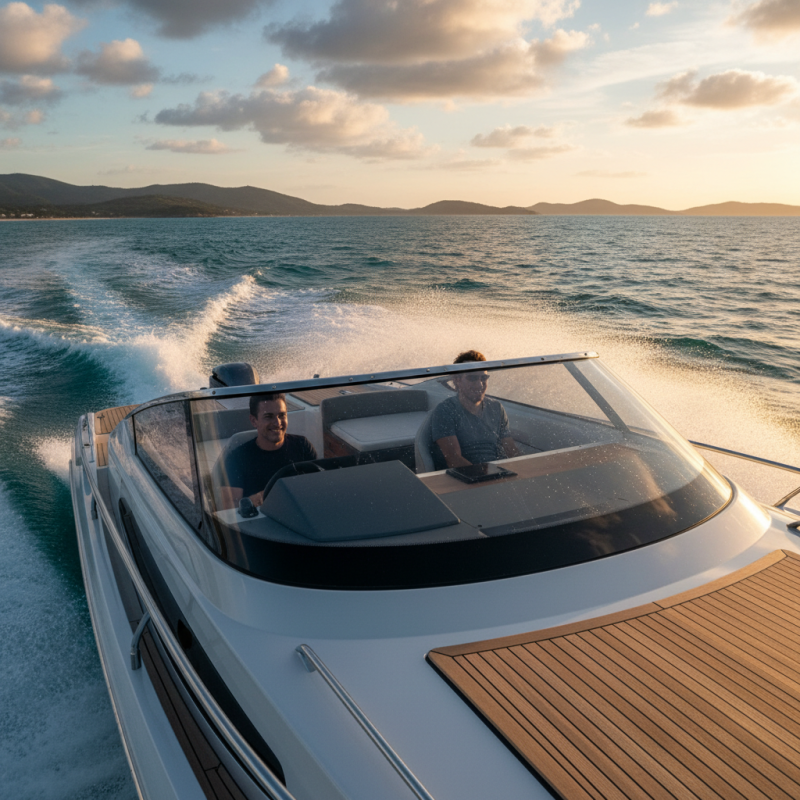
Choosing the right boat windshield is crucial for your safety and comfort on the water. A good windshield can reduce glare and protect against the wind. However, not all windshields are made equal. Material is a key factor: acrylic, polycarbonate, and glass offer different benefits. Acrylic is lightweight but may scratch easily. Polycarbonate is more durable, yet it can be prone to yellowing over time.
Another important consideration is the shape and size of the windshield. A larger windshield can provide better protection but may affect visibility. If you often navigate in rough conditions, a windscreen that curves and wraps around may offer added advantages. Don’t forget about installation too. How well it fits your boat matters. Poor fitting can lead to leaks or instability.
Before finalizing a choice, reflect on your sailing habits. Are you an occasional sailor or a weekend warrior? This might influence what works best for you. Take time to explore options and see what aligns with your needs. The right boat windshield should enhance your experience, not complicate it.
When choosing a windshield for your boat, consider materials that ensure both durability and visibility. Common options include laminated glass and acrylic. Laminated glass offers excellent strength. It withstands impacts and scratches well. Acrylic provides lightweight alternatives. It is easier to mold into different shapes.
Tips: Always check for UV resistance. This can prolong the life of your windshield. Look for options that resist yellowing. A clear view is essential while navigating.
Beyond materials, installation affects performance. Poorly installed windshields can create leaks. Improper sealing leads to water damage. If you're unsure, seek professional help. Balancing cost and quality can be tricky. Remember, a cheap option may not last long. Ensure that you assess both clarity and durability when making your final decision.
Choosing the right windshield for your boat is crucial. Different vessels require specific designs and materials. Specifically, factors like size, shape, and angle affect performance. A wraparound style offers great visibility and wind protection. This design suits speedboats and smaller crafts.
On the other hand, flat windshields are versatile. They fit various types of boats, from fishing vessels to yachts. However, they may not provide the same aerodynamic benefits. You might notice wind deflection issues, especially at high speeds. Consider your boating style when making a choice.
In addition, materials vary. Some opt for glass for its clarity and durability. Others prefer acrylic for its lighter weight and impact resistance. But glass can shatter, and acrylic may scratch easily. Therefore, weigh the pros and cons carefully. Assessing your needs will lead to a more satisfying experience on the water.
Maintaining your boat windshield is vital for safety and performance. Regular cleaning helps prevent scratches. A pre-season inspection is crucial. Look for cracks or chips. According to industry data, over 30% of boaters experience visibility issues due to damaged windshields.
Use mild cleaners to avoid scratches. Abrasive materials can create tiny fissures. These small damages can escalate. Consider a UV protectant to combat sun exposure. Industry reports indicate that sun damage is responsible for 25% of windshield failures.
Proper storage protects your windshield from extreme conditions. During winter months, store your boat indoors if possible. If not, use a quality cover. Regular maintenance prevents costly repairs. Reflect on your care routine. Is it enough?
Choosing the right boat windshield in 2026 involves careful budgeting. The costs for quality windshields can vary significantly. You may find options ranging from a few hundred to several thousand dollars. A transparent, sturdy windshield is essential for both safety and comfort.
Consider the materials used when evaluating costs. Acrylic is often less expensive but may scratch easily. Glass offers better clarity and durability but at a higher price point. Think about how often you use your boat. Are you a weekend sailor or an everyday adventurer? This will impact your investment.
Tips: Always compare multiple suppliers. Check if installation costs are included. Consider investing in a custom-fit windshield. It can save you from replacement costs down the line. Regular maintenance is key. Clean the windshield with gentle products to prolong its life. Investing in quality can sometimes seem daunting, but think of it as a long-term savings plan. You will avoid frequent replacements and repairs. Reflect on how often you spend on quick fixes. Maybe it’s time to invest wisely.
| Windshield Type | Material | Size (inches) | Price ($) | Durability Rating |
|---|---|---|---|---|
| Curved Glass | Tempered Glass | 60 | 800 | 9/10 |
| Flat Acrylic | Acrylic | 48 | 300 | 7/10 |
| Tinted Polycarbonate | Polycarbonate | 56 | 500 | 8/10 |
| Custom Fabricated Glass | Laminated Glass | 65 | 1000 | 10/10 |
| Standard Safety Glass | Safety Glass | 55 | 400 | 8/10 |
: The right windshield enhances safety and comfort. It reduces glare and protects against wind.
Common materials include acrylic, polycarbonate, and glass. Each has its own benefits and drawbacks.
A larger windshield may provide better protection. However, it can impact visibility.
Reflect on your boating frequency. Are you a casual sailor or a frequent user? This influences your choice.
A good fit is crucial. Poor installation can lead to leaks or instability. Always check compatibility with your boat.
Costs vary greatly. Expect to pay from hundreds to thousands depending on materials and custom options.
Regular maintenance prolongs its life. Use gentle cleaning products to avoid scratches and damage.
Acrylic is lightweight and impact-resistant but may scratch easily. Consider your boating style when choosing.
Compare suppliers and check installation costs. Investing in a custom-fit windshield can save expenses in the long run.
Flat windshields fit various vessels. However, they may not offer the aerodynamic benefits of wraparound styles.
Choosing the right boat windshield is crucial for enhancing your water adventures in 2026. Key considerations include size, compatibility, and the environmental conditions you’ll face on the water. It’s essential to evaluate the materials used in boat windshields, as options like acrylic and polycarbonate offer varying levels of durability and clarity.
Boat windshields come in different styles to suit various types of vessels, ensuring that every boater can find an ideal fit for their needs. Regular maintenance is vital for extending the lifespan of your windshield, which includes cleaning and checking for damage. Furthermore, budgeting for premium boat windshield solutions involves analyzing costs to make informed decisions that balance quality with affordability. With careful selection and maintenance, your boat windshield can significantly enhance both safety and enjoyment on the water.

Green Boat