When considering home improvement projects, one of the most crucial elements is the choice of Deck Fill. According to the latest industry reports, over 70% of homeowners prioritize the aesthetic and functional qualities of their outdoor spaces. The right deck fill can enhance not only the visual appeal but also the durability of these areas.
Choosing an appropriate deck fill material involves various factors. It’s essential to weigh options like gravel, sand, or organic materials. Research indicates that mixed materials tend to perform better in terms of drainage and stability. Still, not every choice is perfect. For instance, while wood chips are eco-friendly, they can decompose over time, requiring frequent replacement.
Homeowners might feel overwhelmed by the options. It’s important to reflect on the long-term implications of each fill type. Selecting the right deck fill material impacts maintenance costs and overall satisfaction. A well-informed decision not only elevates the home’s exterior but also enhances overall living quality. Consider these insights when embarking on your deck project.
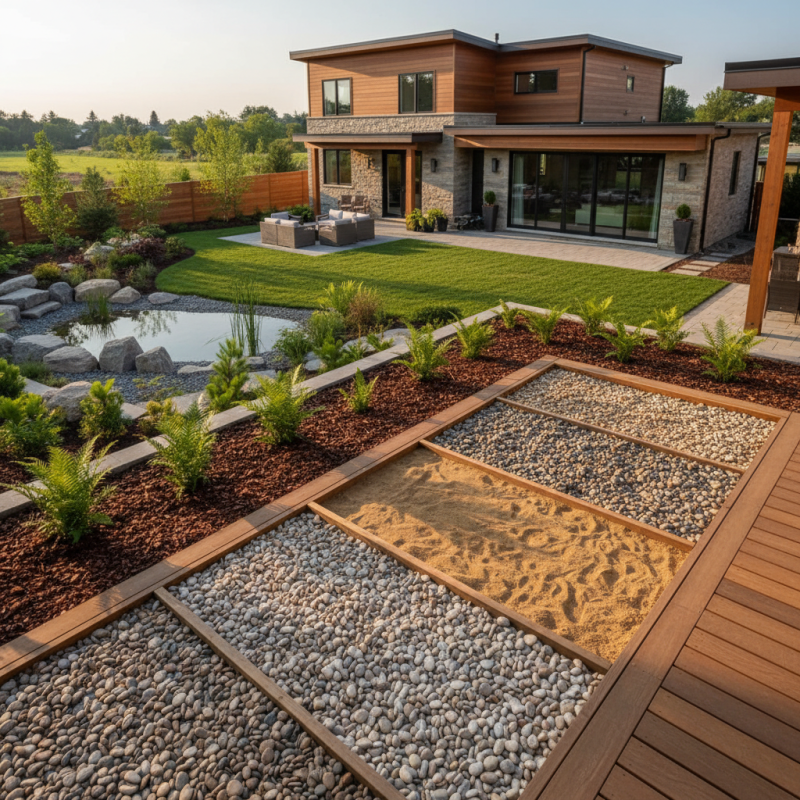
When considering deck fill options for your home improvement projects, it's essential to understand the types of materials available. Gravel is a popular choice for drainage and stability. It allows water to flow, preventing pooling. Decorative stones can add a touch of elegance to your outdoor space. However, they may require regular maintenance to keep their appearance.
Composite materials are another option. They are often made from recycled products, offering an eco-friendly solution. They also resist rot and pests, but the initial cost might be higher. Natural wood provides a classic look but demands treatment against the elements.
**Tips:** Choose materials that complement your home’s design. Think about maintenance requirements and longevity. Always consider how much use your deck will get. A more durable fill option might be worth the investment. Pay attention to the ground's drainage too. A well-drained area reduces potential problems later. Don’t rush the process; take time to make the right choice for your space.
| Material Type | Description | Durability | Cost Level | Ideal For |
|---|---|---|---|---|
| Wood | Natural appearance, versatile, can be stained or painted | Moderate | Medium | Traditional designs, high aesthetic value |
| Composite | Made from recycled materials, low maintenance | High | High | Eco-friendly options, long-lasting |
| PVC | Plastic material, water-resistant, no warping | Very High | High | Wet climates, poolside areas |
| Gravel | Natural stone aggregate, excellent drainage | High | Low | Casual settings, backyard paths |
| Sand | Fine granules, typically used for settling | Moderate | Very Low | Weight distribution in planters, soft surfaces |
: The right deck fill material impacts cost and maintenance needs significantly. Consider this before making a choice.
Climate influences how materials perform. Humid areas need mold-resistant options, while cold climates need freeze-resistant materials.
Gravel is affordable but shifts over time. It requires regular top-ups to maintain its appearance and effectiveness.
Mulch offers visual appeal but needs replenishment. This can lead to additional costs over time, challenging budget considerations.
Pavers have a higher upfront cost but offer durability. Evaluating long-term expenses may show significant savings.
Some materials are more eco-friendly. Assess the local ecosystem and seek certifications for sustainable sourcing.
Composite decking is durable in cold climates but retains heat. This may impact barefoot comfort during hot days.
Yes, it lasts up to 15 years but requires regular maintenance to prevent mold and decay issues.
It’s essential to balance aesthetics with practicality. Reflect on what suits your lifestyle before making a decision.
Yes, don’t hesitate to reassess options. Reflecting on initial choices can lead to better decisions and savings.
When undertaking a home improvement project, selecting the best deck fill is essential for both functionality and aesthetics. Different types of deck fill materials offer various benefits, and understanding their durability and maintenance needs is crucial for making an informed decision. A cost comparison of these materials helps in budgeting appropriately while considering climate and environmental factors ensures the longevity and suitability of the chosen fill.
In addition, knowing the installation techniques for popular deck fill options can further streamline your project. By prioritizing the right deck fill based on your specific requirements and conditions, you can enhance the appeal and durability of your outdoor spaces, ultimately contributing to a successful home improvement endeavor.

 Green Boat