Boat ownership can be a thrilling adventure. However, it also comes with responsibilities. One critical part of this responsibility is maintenance. Why is boat maintenance so important? Proper upkeep ensures safety on the water. It protects against unexpected failures that can lead to accidents.
Regular maintenance checks can prevent costly repairs. An unkempt boat may face engine issues or hull damage. These problems can compromise performance and safety. A simple routine can save you from such dilemmas. Neglecting maintenance can turn joyous outings into dangerous situations. Every boat owner should reflect on their maintenance habits. Are you doing enough to ensure safety?
Furthermore, regular maintenance prolongs the boat's lifespan. An efficiently running boat retains value. Ignoring maintenance may result in depreciation. As time goes on, owners might overlook minor issues, leading to bigger problems. It’s essential to stay vigilant and proactive. Regular checks can provide peace of mind. Engaging with professionals for advice can enhance safety and enjoyment on the water.
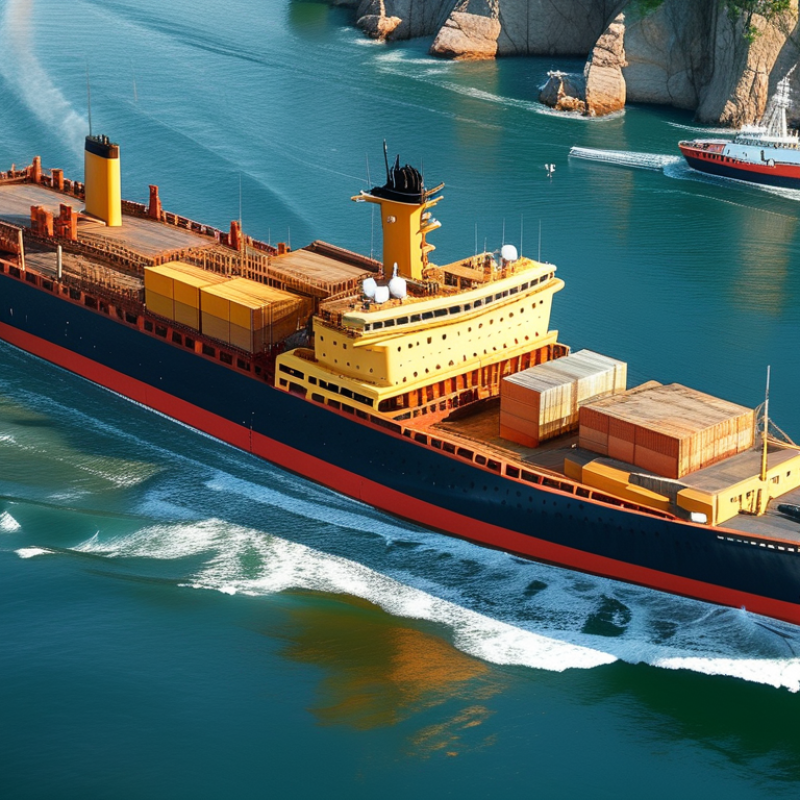
Regular inspections are vital for effective boat maintenance. They help identify potential issues before they escalate into costly repairs. A quick check can reveal leaks, wear, and tear that may not be visible during routine use. Boats face unique challenges such as saltwater corrosion and algae buildup. Ignoring these factors can compromise safety and longevity.
Tips: Schedule inspections at least twice a year. Ensure that you check the hull, engine, and safety equipment. Investing time in these areas can prevent dangerous situations while enhancing performance.
Being diligent with inspections creates a reliable boating experience. However, it’s common to overlook small issues, assuming they’re insignificant. A tiny crack can lead to major leaks if ignored. Establishing a checklist can help keep track of what needs attention. Encourage all boaters to stay proactive and double-check spots on their boats.
Tips: Bring a friend along for a second opinion. They may spot issues you overlooked. Regular maintenance is more than a task; it builds a habit of care. It leads to happier days on the water.
| Maintenance Task | Frequency | Importance | Potential Risks of Neglect |
|---|---|---|---|
| Hull Inspections | Annually | Detect damage and ensure buoyancy | Flooding and sinking |
| Engine Servicing | Every 100 hours of use | Optimize performance and fuel efficiency | Overheating and breakdowns |
| Electrical System Checks | Biannually | Ensure safety and functionality | Electrical failures and fire hazards |
| Safety Equipment Inspection | Every season | Confirm readiness for emergencies | Inadequate response during emergencies |
| Antifouling and Cleaning | Annually | Maintain speed and fuel efficiency | Increased drag and reduced performance |
Boat maintenance is crucial for ensuring safety and extending the lifespan of your vessel. Regular upkeep not only prevents costly repairs but also guarantees a secure experience on the water. Key maintenance tasks should include engine checks, hull inspections, and electrical system evaluations.
Perform routine engine maintenance. Change the oil, check filters, and inspect belts. This helps identify issues early. For the hull, keep an eye out for cracks or blisters. Cleaning the boat regularly prevents growth of algae and other damaging substances. Don’t forget to check your boat's electrical systems too. Ensure connections are tight and batteries are maintained.
Tips: Schedule inspections before and after your boating season. This proactive approach helps you catch potential problems. Always document your maintenance activities. A maintenance log can help track repairs and parts replacement. Remember that neglecting simple tasks can lead to bigger issues later. Stay diligent in your maintenance routine.
Neglecting boat maintenance carries significant safety implications. Small issues can escalate quickly. A cracked hull or a malfunctioning engine could lead to catastrophic failures. Each component plays a crucial role. For instance, worn-out life jackets might not function properly during an emergency. Regular checks ensure these vital safety devices are reliable when needed.
Routine maintenance helps identify potential hazards. Checking the battery's health, inspecting fuel lines, and maintaining the propulsion system can prevent accidents. If left unchecked, corrosion can weaken critical parts. Water leaks may go unnoticed, risking stability. A less visible threat is electrical failures, which can leave a vessel inoperative. When combined, these factors create a perilous environment on the water.
Furthermore, understanding the consequences can motivate boaters. A small investment in maintenance can save lives. Budget constraints often lead to overlooked tasks. Yet, the aftermath of neglect can be costly, both financially and in safety. Taking the time to conduct regular inspections fosters a culture of responsibility. It deepens the connection between boaters and their vessels. A well-maintained boat is not only safer but also offers peace of mind.
Proactive boat maintenance can save boat owners significant money over time. Regular inspections can uncover minor issues before they escalate into costly repairs. For instance, a small leak can turn into extensive hull damage if left unchecked. Early intervention is key to avoiding these scenarios.
Maintaining equipment and systems also enhances safety on the water. Well-maintained engines run smoothly and are less likely to fail when needed. This ensures a safer experience for everyone on board. It's important to remember that neglecting maintenance can lead to tragic consequences. Safety and cost-effectiveness go hand in hand with diligent care.
Interestingly, many boat owners underestimate the value of routine upkeep. It can feel like an overwhelming task, yet breaking it down into small steps makes it manageable. Regular cleaning and system checks often slip through the cracks of a busy schedule. A consistent routine of care is essential. Embracing this practice encourages confidence in your vessel and keeps maritime adventures enjoyable and secure.
Environmental factors significantly impact boat maintenance needs. Whether boats are used in freshwater or saltwater, different challenges arise. For instance, saltwater can lead to corrosion, increasing the frequency of inspections and upkeep. According to industry standards, boats maintained in saltwater settings require attention every 3 to 6 months, compared to those in freshwater that might need it only once a year. Such statistics highlight the need for tailored maintenance schedules based on environmental conditions.
UV exposure is another crucial factor. Prolonged sun exposure degrades materials, including plastics and gel coats. A study by the American Boating Association shows that UV damage accounts for up to 30% of maintenance issues in outdoor boats. This deterioration can often go unnoticed until it becomes a significant problem, demonstrating the importance of regular check-ups. Monitoring weather conditions, such as extreme storms or temperature fluctuations, also influences maintenance intervals. Heavy rainfall can lead to flooding in boat storage areas, while freezing temperatures can affect engine components. Clearly, environmental factors necessitate a proactive approach to maintenance.
This chart displays the estimated annual maintenance needs for boats based on various environmental factors. Saltwater environments require the most maintenance due to the corrosive nature of salt, while freshwater and humidity levels also contribute significantly to upkeep. Understanding these needs is critical for ensuring the longevity and safety of boats.
: Neglecting maintenance can lead to serious safety risks, like engine failures or hull cracks.
Regular checks help find hazards, such as worn-out life jackets or corrosion, ensuring they work during emergencies.
Proactive maintenance prevents minor issues from escalating, saving money on costly repairs in the long run.
Boats in saltwater need maintenance every 3 to 6 months due to higher corrosion rates.
UV exposure can degrade materials and accounts for up to 30% of outdoor boat maintenance issues.
Weather, humidity, and water type can influence how often a boat needs maintenance checks.
Overlooking maintenance can lead to potential disasters, like flooding or engine failures, which can be tragic.
Breaking maintenance into small steps makes it manageable, keeping it consistent is crucial for safety.
Many view maintenance as overwhelming, yet it’s essential for safety and prolonging the boat's life.
Monitor battery health, fuel lines, and weather conditions to avoid unexpected maintenance issues.
Boat maintenance plays a crucial role in ensuring both the longevity and safety of watercraft. Regular inspections are vital for identifying potential issues before they escalate, safeguarding the vessel’s integrity. Key maintenance tasks, such as checking the engine, hull, and safety equipment, enhance the boat's lifespan, ensuring it remains in optimal condition. Moreover, neglecting these practices can lead to severe safety implications, including accidents and costly repairs.
Understanding "why is boat maintenance so important" extends beyond merely preserving the boat; it encompasses proactive measures that can be cost-effective in the long run. Additionally, environmental factors like saltwater exposure and UV damage necessitate tailored maintenance strategies. By addressing these elements, boat owners can ensure their vessels remain safe, efficient, and ready for the waters.

Green Boat