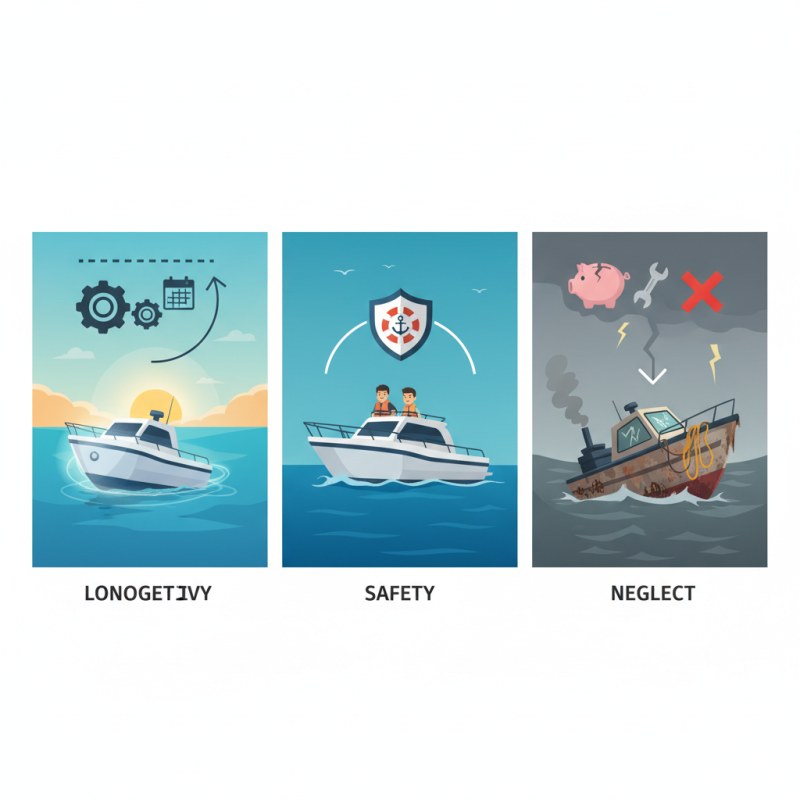
Maintaining a boat is not merely about keeping it looking good. It's about ensuring safety and enhancing longevity. Why is boat maintenance so important? Regular upkeep prevents minor issues from turning into major problems. A well-maintained boat operates smoothly, providing a safer experience for everyone on board.
Neglecting maintenance can lead to unexpected breakdowns. These can occur in critical systems like the engine or navigation. Such failures can pose serious risks during outings. Additionally, a boat that is not properly cared for loses value over time. Owners may face costly repairs or diminished resale opportunities if they do not prioritize upkeep.
Moreover, routine maintenance requires a keen eye and expertise. It’s an ongoing commitment that some might find overwhelming. Yet, it ultimately adds to the joy of boating. Having confidence in your vessel enhances the overall experience. Therefore, understanding why maintenance is crucial can transform how you approach boat ownership. Embracing this responsibility reflects on the water with peace of mind.
Regular inspections are crucial for boat maintenance. They can identify potential problems before they escalate. Over time, boats face wear and tear from water exposure and weather conditions. Regular check-ups help detect issues like leaks, engine problems, or electrical failures early. Addressing these concerns promptly can save money and prevent accidents.
Tips for effective inspections:
1. Check the hull for any cracks or blisters. Even small issues can worsen.
2. Inspect the engine oil for clarity and color. Dark or milky oil could indicate trouble.
3. Look at electrical connections for signs of corrosion. Clean connections enhance safety.
The safety of your boat depends on these inspections. Neglecting them can lead to costly repairs or accidents. Consider setting a consistent schedule for inspections, perhaps before the season begins and halfway through. Accountability ensures that inspections are not overlooked. Regular maintenance can feel overwhelming at times. However, a little time invested can lead to longer-lasting enjoyment on the water.
Boat maintenance is crucial for ensuring safety. Regular checks can prevent accidents. Key tasks include inspecting the hull, which should be free of cracks and dents. A compromised hull can lead to leaks or capsize.
Tips: Schedule a monthly inspection of your boat’s exterior. This regular check can save your life. Keep an eye out for signs of wear. Examine the propeller and make sure it's functioning well. A damaged propeller can affect your speed and maneuverability.
Inspecting safety gear is essential. Ensure life jackets are in good condition and easily accessible. Check fire extinguishers. Make sure they are charged and not expired. A lack of proper safety equipment can be fatal in emergencies.
Tips: Conduct a safety gear drill with your crew. Knowing where everything is can make a difference. Regularly review expiration dates on equipment. Simple checks save lives and enhance your boating experience.
| Maintenance Task | Frequency | Purpose | Safety Impact |
|---|---|---|---|
| Oil Change | Every 100 hours | Keeps engine lubricated | Prevents engine failure |
| Battery Check | Monthly | Ensures reliable power | Prevents electrical failure |
| Hull Inspection | Every season | Identifies damage and wear | Prevents leaks and capsizing |
| Safety Equipment Check | Before each outing | Ensures functionality | Critical for emergency situations |
| Propeller Check | Every trip | Ensures propeller is free of debris | Prevents damage and accidents |
Weather and environmental factors significantly impact boat maintenance. Boats are exposed to harsh conditions, including saltwater, sun, and storms. According to the National Oceanic and Atmospheric Administration, over 70% of all boats experience some damage due to environmental elements. Regular maintenance helps mitigate these issues.
Moisture can lead to mold, mildew, and corrosion. A report from the American Boat and Yacht Council states that nearly 30% of all boat repairs stem from water damage. Protecting boats through cleaning and proper storage is essential. Covering a boat protects it from UV rays and reduces the risk of environmental wear.
Maintenance is not just a best practice; it is crucial for safety. Inadequate upkeep can lead to mechanical failures, especially during extreme weather. Research shows that 80% of boating accidents result from operator error or lack of preparation. Regular checks can prevent these dangerous situations. Each boat owner must take proactive steps to ensure their vessel remains in safe, working order.
Regular maintenance of boat engines and mechanical systems is crucial for safety and longevity. A well-maintained engine runs smoothly, reducing the risk of breakdowns. This makes every boating trip more enjoyable and less stressful. Pay attention to the oil levels and change the oil regularly. Neglecting this simple task can lead to serious engine issues.
Cooling systems also require consistent checks. Ensure the coolant is filled to the required level. Overheating can cause catastrophic damage. Inspect hoses for cracks or leaks. These small problems can quickly become significant if ignored.
Don’t forget the electrical systems. Check the battery connections and clean any corrosion. Replace old or worn-out wiring to avoid electrical failures. Regular checks can prevent accidents. Make a maintenance schedule and stick to it. Reflect on what areas might need more focus based on past issues. Keeping a detailed log can help track progress and identify patterns in maintenance needs.
Regular boat maintenance can lead to significant financial benefits. According to the National Marine Manufacturers Association, properly maintained boats can retain up to 25% more of their resale value compared to poorly maintained ones. This difference can mean thousands of dollars when it's time to sell. Regular inspections, cleaning, and servicing help prevent larger issues that could result in costly repairs.
Additionally, annual maintenance can reduce operating costs. A report from the American Boat & Yacht Council indicates that neglecting maintenance can lead to repairs costing three to four times more. Simple tasks like changing oil and checking the hull can prevent engine failure or corrosion. These actions not only ensure safety but also keep your budget intact.
Investing time and resources into maintenance pays off. However, many boat owners overlook this aspect. They may resist spending on upkeep until problems arise. This mindset can lead to financial strain when unexpected repairs occur. Regular maintenance is not just about safety; it’s a smart financial strategy. By prioritizing upkeep, you preserve value and avoid unnecessary expenses.
: Boat maintenance is vital for ensuring safety and preventing accidents. Regular checks can help you avoid mishaps on the water.
Check the hull for cracks and dents. Inspecting the hull regularly prevents leaks and potential capsizing.
Schedule a monthly inspection. Regular checks can save your life and keep the boat in good condition.
Ensure life jackets are in good condition and fire extinguishers are charged. Accessible safety equipment is crucial in emergencies.
Conduct safety gear drills. Knowing where everything is increases safety and ensures preparation in critical moments.
Boats face harsh conditions like saltwater, sun, and storms. These elements can cause damage if not properly managed.
Moisture can cause mold, mildew, and corrosion. It's important to protect your boat through regular cleaning and storage.
Poor maintenance and lack of preparation can lead to mechanical failures during extreme weather. Regular maintenance is crucial for safety.
Nearly 30% of all boat repairs stem from water damage. Proper upkeep helps mitigate this risk significantly.
Many neglect regular checks on their boat’s condition. This oversight can lead to accidents and dangerous situations on the water.
Boat maintenance is crucial for ensuring both longevity and safety on the water. Regular inspections play a vital role in identifying potential issues before they escalate, allowing boat owners to address minor problems proactively. Key maintenance tasks, such as checking life-saving equipment and maintaining hull integrity, significantly enhance safety during outings. Additionally, understanding the impact of weather and environmental factors can help in selecting appropriate protective measures, ensuring that the boat remains in optimal condition.
Moreover, maintaining boat engines and mechanical systems is essential for reliable performance and can prevent costly repairs down the line. The financial benefits of regular boat maintenance are evident, as they not only lower the risk of accidents but also enhance the vessel's resale value. In summary, why is boat maintenance so important? It encompasses safety, financial prudence, and the longevity of the vessel, making it a fundamental aspect of boating ownership.

Green Boat