Boating is a popular recreational activity that offers freedom and adventure. However, safety must remain a priority. Why do boats need safety equipment? According to maritime safety expert Captain Sarah Lawson, “Proper safety gear can mean the difference between life and death on the water.” This statement reflects a fundamental truth in boating.
Accidents can happen unexpectedly, regardless of skill level. Essential safety equipment includes life jackets, fire extinguishers, and signaling devices. Having this gear on board is not merely a recommendation; it’s a necessity. Each element plays a critical role. Life jackets save lives during sudden mishaps. Fire extinguishers manage unexpected fires. Signaling devices help in emergencies, attracting attention for timely assistance.
Many boaters underestimate risks. Some believe that calm waters ensure safety. However, challenges like changing weather and mechanical failures can occur. Reflecting on these realities highlights the importance of preparedness. Regularly checking and maintaining safety equipment is crucial. It is not just about compliance with regulations; it is about safeguarding lives. Prioritizing safety ensures that boating remains an enjoyable experience.
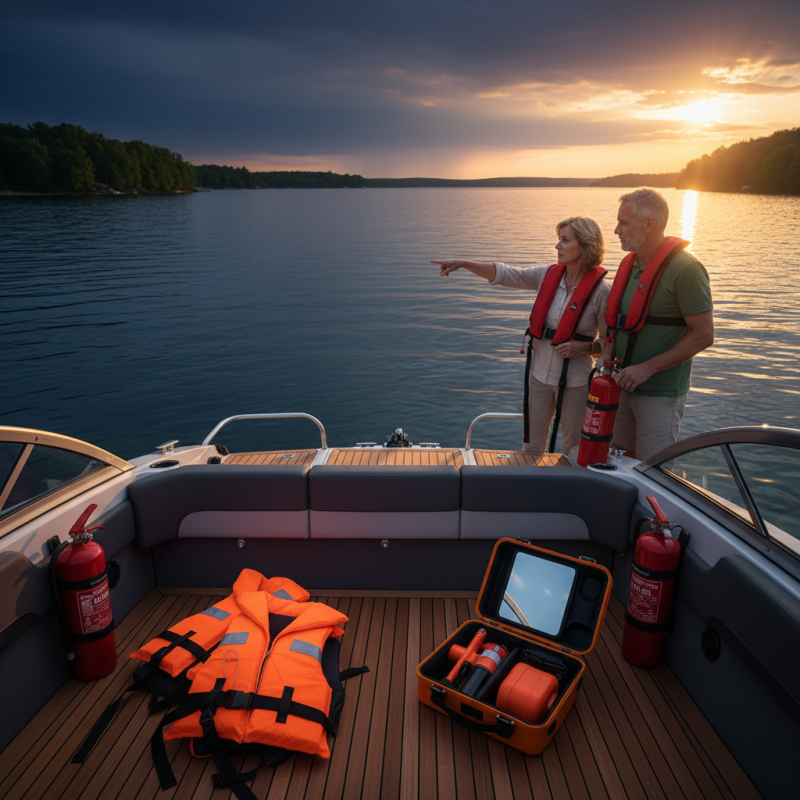
Importance of Safety Equipment on Boats for Ocean Travel
When embarking on ocean travels, safety equipment becomes a boat’s lifeline. No one anticipates emergencies, yet they occur. Essential tools like life jackets, flares, and first aid kits are crucial for every journey. These items can save lives during unforeseen situations, such as sudden storms or emergencies.
Understanding the importance of this equipment is vital. A life jacket, for example, is not just a piece of gear; it offers floatation and support. In distressing moments, it provides reassurance. Flares signal for help, ensuring that other vessels can locate you in an emergency. A well-stocked first aid kit addresses medical needs, offering comfort amid chaos.
Despite safety preparations, accidents can still happen. Equipment can fail, or the weather can change unexpectedly. These realities call for consistent reflections on safety protocols. Regular inspections of safety gear should be a habit. Ultimately, remaining vigilant and prepared is essential for any ocean traveler.
Types of Essential Safety Equipment Required on Boats
When it comes to boating, safety is paramount. The United States Coast Guard reports that over
75% of boating accidents occur on vessels not equipped with proper safety gear.
This statistic alone emphasizes the importance of essential safety equipment.
A well-prepared boat should carry items like personal flotation devices (PFDs), fire extinguishers, and first aid kits.
Personal flotation devices are not optional. They are vital for ensuring passengers can stay afloat. The Coast Guard recommends having one PFD for
every person on board. Fire extinguishers can be lifesavers, especially in engine fires. In 2021, data showed
that nearly 20% of boating fatalities resulted from fire-related incidents that could
potentially have been mitigated with appropriate safety gear.
Other essential items include distress signals and signaling devices. These tools can alert others during emergencies. Even though many boaters believe
they won't encounter danger, incidents can happen unexpectedly. Mandatory safety training could
bridge the knowledge gap for many. However, the reality shows that not all boaters feel prepared. This mindset needs addressing to improve safety on the waters.
Legal Regulations Governing Boat Safety Equipment
When it comes to boating, safety equipment is not just a good idea; it’s often a legal requirement. Various countries have strict regulations about what safety gear must be on board. This includes life jackets, flares, and fire extinguishers. These regulations aim to protect boaters from possible drownings, fires, and other emergencies. Having the right equipment can mean the difference between life and death.
Understanding these legal regulations is crucial for any boater. Not all regions have the same rules. Some places require additional items like signaling devices and safety whistles. Knowing these requirements can help avoid fines or worse, legal trouble in case of an incident. Many boaters overlook these details, thinking it won't happen to them, leading to unfortunate situations. Keeping up-to-date with local laws is essential for boat safety.
Passengers also deserve protection. Equipment like life rafts and personal flotation devices can save lives during emergencies. But they must be in good condition and easily accessible. Regular checks and an understanding of how to use these devices are often neglected. Awareness of the legal framework regarding safety equipment can encourage boaters to prioritize safety, ultimately leading to a safer boating environment.
Why Do Boats Need Essential Safety Equipment for Protection?
| Safety Equipment |
Purpose |
Legal Requirement |
Recommended Maintenance |
| Life Jackets |
To prevent drowning in case of an accident |
Mandatory for all passengers |
Check for wear and tear annually |
| Fire Extinguisher |
To control and extinguish fires |
Required on all vessels |
Inspect every 6 months |
| First Aid Kit |
To provide immediate medical assistance |
Recommended, check local regulations |
Replenish supplies as used |
| Flares |
To signal for help in emergencies |
Required for certain vessel sizes |
Check expiration date regularly |
| Emergency Signaling Device |
To communicate distress to nearby boats |
Often required by law |
Test functionality annually |
Impact of Safety Equipment on Boater Confidence and Risk Management
Safety equipment plays a crucial role in boating. It significantly impacts boater confidence and risk management. When equipped properly, boaters feel more secure on the water. Essential gear, like life jackets and flares, acts as a safety net during emergencies. This preparedness often leads to better decision-making while navigating.
Many boaters underestimate the importance of checking their safety gear. Regular maintenance and inspection can prevent potential mishaps. Having functioning equipment can make a difference between safety and disaster. A minor oversight today can have dire consequences tomorrow. Reflecting on one’s readiness fosters a mindset of caution and responsibility.
Ultimately, safety equipment contributes to a culture of safety. Boaters who prioritize safety gear are likely to encourage others to do the same. This communal awareness enhances overall safety on the water. Building confidence through preparation creates more enjoyable experiences. Making mistakes is part of the learning curve, but reflecting on those moments will lead to safer adventures ahead.
Impact of Safety Equipment on Boater Confidence
This chart illustrates the importance level of various essential safety equipment for boats. As reflected, life jackets have the highest importance level, significantly contributing to boater confidence and effective risk management.
Best Practices for Maintaining and Checking Safety Equipment on Boats
Maintaining safety equipment on boats is crucial for ensuring everyone's protection while on the water. Regular inspections help identify potential issues before they become critical. For instance, checking life jackets for wear and tear is essential. Ensure that they are not frayed or damaged. If they are, it's time to replace them.
Another key point is the maintenance of fire extinguishers. They should be regularly assessed to confirm they are fully charged and easily accessible. Additionally, make sure to familiarize all passengers with their locations. Visual checks can often overlook the importance of understanding how to operate them in an emergency.
Let’s reflect on the importance of communication. Sometimes, crew members may forget to report safety equipment issues. Foster an environment where everyone feels responsible. Encourage open discussions about safety. Small lapses can lead to major risks. Prioritize accountability for maintaining safety equipment. Such mindfulness ultimately enhances collective safety on board.
Conclusion
Boats are essential for ocean travel, and understanding "Why do boats need safety equipment" is crucial for ensuring the safety of all onboard. Safety equipment serves multiple purposes, including protecting passengers and crew from unforeseen incidents such as capsizing, harsh weather, or other emergencies. Types of essential safety equipment include life jackets, flares, fire extinguishers, and navigational aids, all of which are vital for enhancing safety while at sea.
Moreover, legal regulations mandate specific safety equipment to be carried on boats, ensuring compliance and minimizing risks. The presence of adequate safety gear not only boosts boater confidence but also significantly improves risk management during voyages. Finally, best practices for maintaining and regularly checking safety equipment are essential to ensure readiness in case of an emergency, reinforcing the importance of preparation in maritime activities.

 Green Boat