Why Do Boats Need Proper Ventilation for Safety and Function?

Time:2026-06-13 Author:Sienna
0%

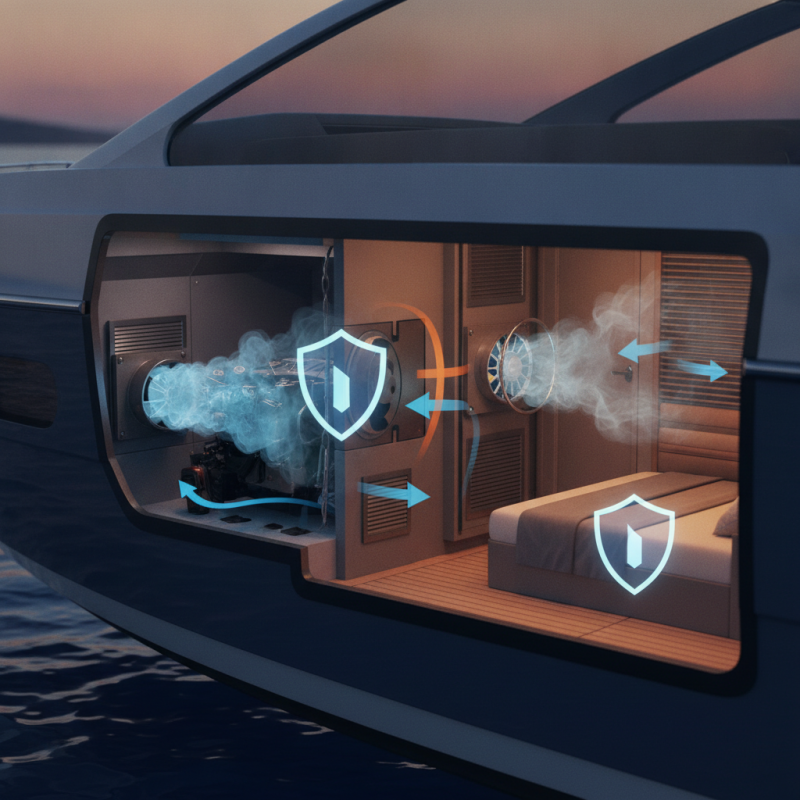
Proper ventilation is crucial for the safety and function of boats. Expert marine engineer Dr. Emily Waters emphasizes this, stating, "Adequate airflow prevents dangerous gas buildup." Understanding why boats need proper ventilation is not just about comfort; it's a matter of safety.

Without sufficient ventilation, hazardous fumes can accumulate. This is especially true for fuel systems and engine compartments. Moisture buildup can also lead to mold and structural damage. The consequences can be severe, including engine failure or worse. Ventilation, therefore, is an aspect often overlooked but essential for any seaworthy vessel.

Many boat owners underestimate the importance of this safety feature. Relying solely on design might leave unseen risks. Active measures should be taken to ensure proper airflow. Regular checks can save lives and equipment. Ultimately, the question remains clear: why do boats need proper ventilation? It's not just about regulations; it’s about safeguarding lives on the water.
Why Do Boats Need Proper Ventilation for Safety and Function?

Understanding the Importance of Ventilation in Boats

Proper ventilation is crucial for boats to ensure both safety and functionality. It allows fresh air to circulate and reduces humidity levels inside the cabin. Without it, moisture can build up, leading to mold and mildew. A damp environment can compromise the boat's structural integrity and the health of those on board. Navigating through foggy conditions or low visibility can become even riskier if the crew is not in a healthy environment.

Moreover, proper ventilation helps prevent the accumulation of gases from fuel systems and batteries. Exhaust gases are harmful and can pose serious risks to those on board. Effective ventilation systems should allow for the quick dispersal of these gases, ensuring that the air remains clean and breathable. Ignoring the need for good air flow can lead to dangerous situations that could have easily been avoided with a little forethought.

Despite the clear importance of ventilation, many boat owners overlook it. Many assume that a few vents will suffice, but this can be a simplistic view. Regular checks and maintenance of ventilation systems are vital. Taking the time to inspect them can prevent future problems and enhance the overall safety environment aboard. Simple adjustments can make a significant difference.

The Effects of Poor Ventilation on Safety and Functionality

Proper ventilation is crucial for boats. Without it, heat and humidity build up quickly. Stale air creates discomfort for passengers. It can also lead to more serious issues in the long run, such as mold growth. Mold can damage equipment and pose health risks. A boat that feels damp is not inviting.


Additionally, poor ventilation affects engine performance. An engine bay that lacks airflow can overheat. This can lead to failures or even fires. People often overlook these factors, focusing on aesthetics instead. Yet, a well-ventilated space ensures safety and better functionality.


Some might argue that a few vents are enough. However, this can be misleading. Sometimes, air doesn't circulate properly. Dead spots can form, trapping heat and moisture. Even the best boats need regular checks to maintain airflow. Regular maintenance can help prevent these issues from becoming serious. Prioritizing ventilation is key for both safety and enjoyment.

Key Components of Effective Boat Ventilation Systems

Proper ventilation is crucial for marine safety and functionality. Boats often trap heat and moisture, creating hazardous conditions. Effective ventilation reduces humidity, preventing mold growth. This is essential for the health of passengers and the integrity of the vessel.


Key components of a successful boat ventilation system include vents, fans, and hatches. Vents allow fresh air to flow into the boat, while exhaust fans help remove stale air. Ideally, vents should be strategically placed to maximize airflow across all areas. Hatches can also provide additional airflow but need to be weather-tight.


Not all boat designs support ideal ventilation. Some may have limited natural airflow due to their shape. Regular checks for blockages in ventilation ducts are vital. Owners should also consider adjusting vent placements over time based on usage patterns. Implementing these strategies can enhance safety and comfort, but there's always room for improvement.

Common Ventilation Methods Used in Marine Environments

Ventilation on boats is crucial for maintaining safety and functionality. Without it, humidity and harmful gases can build up, risking crew health. Effective ventilation methods in marine environments can enhance air quality and boat performance.

Natural ventilation is often the simplest approach. It utilizes openings like hatches and ports, allowing air to flow through. This method is cost-effective and requires no mechanical parts. However, in calm weather, it may not provide sufficient airflow. Ensure all vents are unobstructed for maximum effectiveness.

Mechanical ventilation systems are another option. These systems actively exchange stale air for fresh air. They can be more reliable but require maintenance. Install fans in non-critical areas to avoid potential points of failure.

Tip: Regularly clean vents and check for obstructions to improve airflow. Monitor humidity levels and adjust your ventilation accordingly. Always prepare a backup plan for your ventilation system to ensure safety in emergencies.

Importance of Proper Ventilation in Boats

This chart illustrates the common ventilation methods used in marine environments and their effectiveness in maintaining safety and function on boats. Proper ventilation helps prevent issues such as excess humidity, mold growth, and the accumulation of harmful gases.

Maintenance Practices for Ensuring Proper Boat Ventilation

Proper ventilation is crucial for maintaining a safe and functional boat environment. When boats lack adequate airflow, moisture and humidity can accumulate. This often leads to mold growth and structural damage. The risk of fire also increases without proper ventilation. Fuel vapors can become trapped, creating hazardous conditions. Regular checks can mitigate these risks.

One effective maintenance practice involves inspecting vents regularly. Ensure they are not blocked by debris or other materials. Clean any obstructions you find. You should also evaluate the placement of vents. Airflow should circulate freely throughout the boat. Developing a routine maintenance schedule can keep things on track.

Furthermore, consider using fans to enhance ventilation. While this may sound simple, not all boats are equipped for it. Evaluate the power supply and space requirements. Sometimes, older boats need updates for better airflow. Reflecting on past experiences can guide your decisions. You might have overlooked ventilation issues before. Making deliberate improvements can enhance safety and comfort on your next voyage.

Why Do Boats Need Proper Ventilation for Safety and Function? - Maintenance Practices for Ensuring Proper Boat Ventilation

Ventilation Type Purpose Common Maintenance Practices Frequency
Natural Ventilation To allow fresh air circulation and prevent condensation Check openings and ensure they are free from blockage Monthly
Mechanical Ventilation To enhance air exchange in enclosed engine rooms Inspect fans and filters, clean or replace as needed Bi-Annually
Ventilation Systems Maintenance To ensure proper function and safety of the boat Test system operation, clean ducts, and ensure no leaks Annually
Compliance with Regulations To meet safety standards set by maritime authorities Review regulations and ensure all systems are compliant Every Season

FAQS

: Why is proper ventilation important on boats?

: Proper ventilation prevents heat and humidity buildup, ensuring safety and comfort for passengers.

What issues can arise from poor ventilation?

Poor ventilation can lead to discomfort, mold growth, and decreased engine performance, posing health risks.

How does poor ventilation affect engine performance?

Lack of airflow in the engine bay can cause overheating, which may lead to failures or dangerous fires.

Are a few vents enough for boat ventilation?

Few vents can be misleading; inadequate airflow might create dead spots, trapping heat and moisture.

How can regular checks improve ventilation?

Regular checks prevent blockages and maintain airflow, enhancing safety and functionality.

What components are essential for effective boat ventilation?

Key components include vents, fans, and hatches, all designed to facilitate proper airflow.

What should boat owners consider regarding vent placements?

Vent placements may need adjustments based on usage patterns for optimal airflow.

Can boat designs impact ventilation effectiveness?

Yes, some designs may restrict natural airflow, making proper ventilation more challenging.

How can hatches contribute to ventilation?

Hatches allow additional airflow but must be weather-tight to maintain effectiveness.

Is there always room for improvement in ventilation systems?

Yes, boat owners should continually assess and enhance their ventilation strategies for safety and comfort.

Conclusion

Proper ventilation is crucial for boats to ensure safety and optimal functionality. "Why do boats need proper ventilation" can be attributed to several factors, including preventing the buildup of harmful gases, maintaining comfortable temperatures, and minimizing the risk of fire hazards. Poor ventilation can lead to serious safety issues, such as carbon monoxide poisoning and compromised structural integrity due to moisture accumulation.

Effective boat ventilation systems consist of key components like vents, hatches, and fans that facilitate airflow throughout the vessel. Common ventilation methods used in marine environments include passive ventilation through strategically placed openings and active systems that utilize mechanical fans. Regular maintenance practices, such as inspecting and cleaning ventilation systems, are essential for ensuring that boats remain safe and functional in various conditions. Proper ventilation not only enhances onboard comfort but also protects both the vessel and its occupants from potential dangers.

Sienna

Sienna

Sienna is a skilled marketing professional with a deep expertise in our company’s core products and services. With a passion for innovation and detail, she plays a pivotal role in crafting insightful blog posts that not only highlight the unique features of our offerings but also provide valuable......