China Top Boat Suppliers What Mistakes Should Buyers Avoid?

Time:2026-10-26 Author:Sienna
0%

Choosing a Chinese boat supplier can reduce costs, but weak decisions can become expensive offshore. This guide examines What mistakes to avoid with boats before signing a purchase order. Buyers should inspect more than glossy photographs and factory claims. Hull construction, engine matching, electrical protection, drainage, certification, and after-sales support deserve equal attention.

The ICOMIA Global Recreational Boating Industry Statistics report shows the recreational marine market remains internationally active and highly diverse. That scale creates opportunity, but also inconsistent quality between suppliers. The U.S. Coast Guard reported 4,012 recreational boating accidents and 556 deaths in 2023. Many incidents involved operator judgment, equipment problems, or inadequate preparation. These figures do not prove that imported boats are unsafe. They show why verification matters.

Nigel Calder, a respected marine engineer and author, offers a useful warning: “A boat is a system, not a collection of parts.” Buyers should remember that sentence when comparing prices. A cheaper engine package may increase fuel use, vibration, or maintenance. A beautiful cabin may hide poor ventilation. A low quotation may exclude sea trials, spare parts, or documentation.

Do not trust assumptions.

Request material specifications, welding procedures, test records, and clear warranty terms. Use an independent marine surveyor before final payment. Confirm the supplier’s production history through references, factory audits, and recorded sea trials. A spreadsheet cannot reveal every weak weld or poorly sealed deck fitting. That is the uncomfortable part. Even experienced buyers can miss small details when deadlines and discounts create pressure.
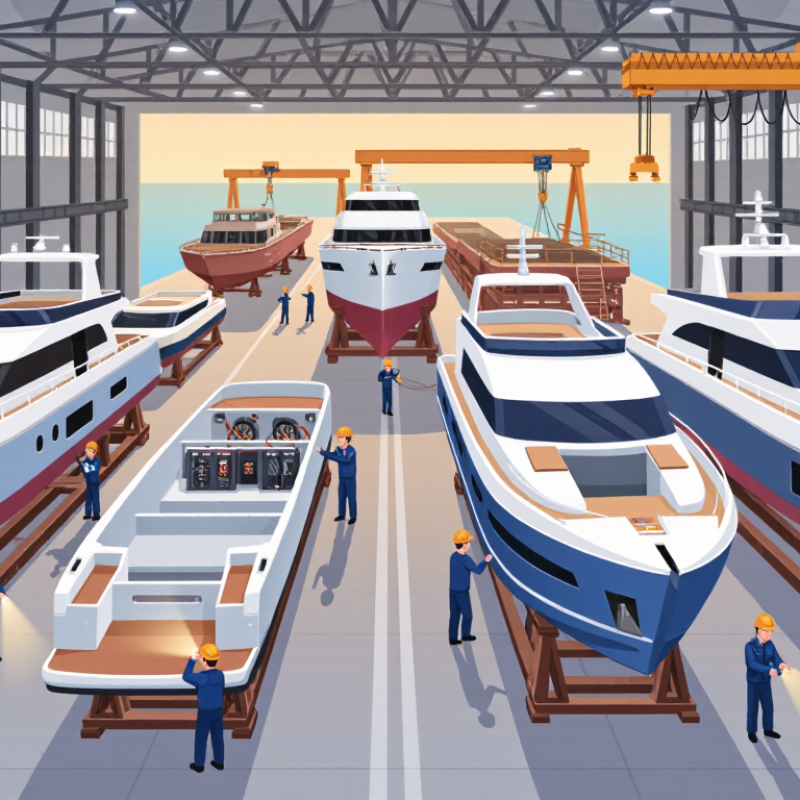
China Top Boat Suppliers What Mistakes Should Buyers Avoid?

Defining Your Boat Requirements and Supplier Selection Criteria

Before contacting boat suppliers, define the operating brief in measurable terms. State passenger capacity, payload, draft, cruising range, water conditions, storage limits, and launch method. A coastal fishing boat needs different hull protection than an inland leisure craft. Specify engine power, fuel preference, electronics, trailer dimensions, and required safety equipment. Do not guess. Measure twice.

The U.S. Coast Guard’s 2023 Recreational Boating Statistics recorded 3,844 accidents, 556 deaths, and 2,126 injuries. Therefore, supplier selection must include documented flotation, steering systems, bilge protection, emergency equipment, and operator visibility. Ask for test procedures, inspection records, warranty terms, and certification documents. A polished brochure is not technical evidence. Request photographs of hull laminates, wiring routes, engine access, and drainage points. Small details matter during maintenance.

Use a weighted supplier scorecard rather than choosing the lowest quotation. Compare build materials, quality-control stages, delivery history, spare-parts availability, technician training, and response times. The National Marine Manufacturers Association’s 2023 economic impact study valued U.S. recreational boating at $230.6 billion, showing the market’s scale and service expectations. Still, market size does not guarantee reliability. I once underestimated after-sales support in a purchasing review; the vessel met specifications, but replacement components arrived slowly. That mistake should remain visible in every supplier evaluation. Require a pre-delivery inspection, sea trial, serial-number records, and clear acceptance criteria before payment.

China Top Boat Suppliers: What Mistakes Should Buyers Avoid?

Recommended supplier-selection priorities when defining boat requirements and evaluating quotations.

Buyers should define the boat’s intended use, operating conditions, capacity, safety requirements, certification needs, delivery terms, and after-sales support before comparing suppliers. The weighting below is a practical procurement framework designed to reduce the risk of choosing on price alone.

Verifying Supplier Credentials, Products, and Manufacturing Standards

When evaluating China’s top boat suppliers, buyers should verify more than polished websites. Ask for business registration, export history, factory address, and current quality certificates. Confirm that certificates match the legal supplier name and the actual production site. Paperwork is not proof. Request recent references for similar hull materials, engine configurations, and delivery volumes. A video call can reveal useful details, but it cannot replace an independent factory visit. If travel is impossible, hire a qualified inspection company to check ownership, equipment, staff, and production records.

Product verification should happen before any deposit. Request drawings, material specifications, load limits, electrical diagrams, warranty terms, and a written list of included equipment. Compare the quotation with the final configuration line by line. Ask how fiberglass, aluminum, welds, fasteners, fuel systems, and steering components are tested. Inspect the hull surface under strong light; uneven laminates, trapped bubbles, or careless sealing deserve questions. Run a documented water test and sea trial when practical. Photos help, yet photos can hide defects.

Manufacturing standards need measurable evidence. Review incoming-material checks, welding procedures, moisture control, curing temperatures, and final inspection forms. Ask who signs each record and what happens when a result fails. Suppliers should explain applicable safety standards for the destination market, not merely promise compliance. Buyers often focus on a low unit price and overlook spare parts, training, or packaging damage. That mistake is expensive. A staged payment tied to verified milestones offers better control. Still, no checklist catches everything. Leave room for doubt, and document every change before production begins.

Comparing Boat Specifications, Pricing, Contracts, and Payment Terms

When comparing boat suppliers in China, buyers often start with length, engine power, and cabin layout.
Those figures are only the surface. Ask for hull material grade, plate thickness, welding method, fuel capacity, stability data, and test conditions. A 7.5-meter boat may look identical in photos but behave differently under load. Request drawings, inspection records, and a video showing the actual production unit. Photos can mislead.

Compare pricing line by line. Confirm whether the quotation includes the engine, navigation equipment, trailer, spare parts, export packing, and commissioning. A low price may exclude essential items. Request the currency, validity period, production lead time, and costs for design changes. My practical mistake was trusting a neat spreadsheet without checking accessory quantities. One missing battery charger later changed the budget. Use a written specification sheet with serial numbers and agreed tolerances.

The contract should identify the model, materials, dimensions, acceptance tests, warranty response, delivery point, and delay procedures. Avoid vague phrases like “standard equipment.” Define what happens if inspection finds defects. Payment terms deserve equal scrutiny. Link staged payments to measurable milestones, such as approved drawings, hull completion, factory testing, and final inspection. Keep a reasonable balance until documents and cargo condition are verified. Independent inspection adds cost, but it can reveal poor weld finishing or incorrect equipment. I still allow contingency time; supplier schedules sometimes look more precise than reality.

Avoiding Quality, Inspection, Shipping, and Compliance Mistakes

Quality mistakes often begin with an attractive quotation. Buyers should request hull material certificates, engine specifications, weld records, and stability calculations before paying a deposit. ISO 12215 provides guidance for hull construction and scantlings, but compliance documents must match the actual boat. A copied certificate proves little.

Inspection should cover more than paint and cabin appearance. An independent marine surveyor should check moisture levels, hull thickness, electrical protection, fuel systems, steering, bilge pumps, and sea-trial performance. The International Organization for Standardization links small-craft safety to design, construction, and essential equipment. Still, a checklist can miss poor workmanship inside sealed compartments. Buyers should photograph hidden areas before final payment and record every defect in writing.

Shipping errors can damage both schedules and budgets. UNCTAD’s Review of Maritime Transport reports that over 80% of global merchandise trade moves by sea. Buyers should confirm crating dimensions, lifting points, insurance limits, port charges, and responsibility for loading damage. Compliance also needs early attention. Required markings, owner manuals, emissions documents, and safety equipment may differ by destination. A boat accepted at the factory may fail local registration review. This is an uncomfortable point: buyers sometimes trust supplier promises more than verifiable records. That trust becomes expensive when customs, inspectors, or insurers request missing evidence.

Managing Delivery, Warranty, Spare Parts, and After-Sales Support

When evaluating China boat suppliers, buyers often focus on hull design and quoted price. Delivery control deserves equal attention. Request a written production schedule with inspection dates, loading details, and document deadlines. Confirm whether the price includes export packaging, sea freight, insurance, and destination handling. Ask for photographs of the finished boat before shipment. A small delay can disrupt marina bookings, seasonal sales, and customer commitments.

Warranty terms should be specific, not optimistic. Check the coverage period for the hull, engine, electrical system, and onboard equipment. Ask which labor, transport, and diagnostic costs are included. A vague promise such as “full support” is difficult to enforce. Require a claim procedure with response times and required evidence. Video records, serial numbers, and maintenance logs can prevent disputes. Still, buyers sometimes ignore maintenance duties, so the contract should state them clearly.

Spare parts planning is often underestimated. Request a parts list with prices, stock status, and compatible alternatives before payment. Keep common items such as filters, pumps, fuses, belts, and seals available locally. Ask how technical support works after installation. Can the supplier provide wiring diagrams, repair videos, and remote troubleshooting? Test this support before the boat leaves the factory. If replies already take several days, future emergencies may be worse. One imperfect assumption can become an expensive lesson. Rescue arrangements, training, and after-sales contacts should be recorded in writing, not left to casual messages.

FAQS

What should buyers define before contacting boat suppliers?

Prepare measurable requirements for capacity, payload, draft, range, and water conditions. Include storage limits and the launch method. Measure twice.

Which safety documents should a buyer request?

Ask for flotation records, steering tests, bilge protection details, and emergency equipment lists. Request inspection reports, test procedures, warranties, and certificates. A glossy brochure is not evidence.

How can buyers compare suppliers fairly?

Use a weighted scorecard instead of choosing the lowest price. Compare materials, quality checks, delivery history, spare parts, training, and response times. Cheap can become expensive.

How should a supplier’s credentials be verified?

Check business registration, export history, factory location, and current certificates. Confirm the documents match the legal supplier and production site. Paperwork is not proof.

What product information should be reviewed before paying a deposit?

Request drawings, material specifications, load limits, wiring diagrams, and warranty terms. Compare every quotation line with the final configuration. Do not guess.

What physical defects deserve closer inspection?

Inspect the hull under strong light. Look for uneven laminate, trapped bubbles, poor sealing, and rough welds. Check fasteners, fuel systems, wiring, and drainage points. Photos can hide defects.

How can buyers control production and delivery risks?

Use staged payments tied to verified milestones. Require inspection dates, loading details, shipping documents, and finished-boat photographs. Confirm packaging, freight, insurance, and destination charges in writing. Delays hurt.

What should a strong warranty and support plan include?

State coverage periods for the hull, engine, electrical system, and onboard equipment. Clarify labor, transport, diagnosis, claim evidence, and response times. Request parts lists, prices, stock status, wiring diagrams, and repair guidance. I once underestimated support. That mistake still matters.

Conclusion

Buying from China’s top boat suppliers can be a rewarding experience, but careful planning is essential. Start by defining the boat’s intended use, size, materials, performance, equipment, customization needs, and budget. When selecting a supplier, verify its business credentials, manufacturing capabilities, product history, quality-control procedures, and compliance with relevant marine standards. Request clear specifications, photos, test records, and references before making a decision. Comparing quotations should include more than the purchase price; review materials, equipment, production time, warranties, shipping costs, taxes, contract terms, and payment schedules.

Understanding What mistakes to avoid with boats can help buyers reduce costly risks. Do not rely on vague promises, incomplete specifications, or unusually low prices. Arrange independent inspections at key production stages and confirm that the finished boat matches the approved design. Check packaging, loading, shipping insurance, documentation, and import requirements in advance. Before final payment, clarify delivery responsibilities, warranty coverage, spare-parts availability, maintenance guidance, and after-sales communication. A detailed agreement and consistent inspection process can protect the buyer and support a smoother ownership experience.

Sienna

Sienna

Sienna is a skilled marketing professional with a deep expertise in our company’s core products and services. With a passion for innovation and detail, she plays a pivotal role in crafting insightful blog posts that not only highlight the unique features of our offerings but also provide valuable......