When selecting the best Carbon Fiber Paddle, expertise is essential. Renowned paddling expert, John Smith, once said, "A paddle can make or break your experience on the water." This highlights the importance of choosing wisely. Carbon Fiber Paddles are praised for their lightweight and durability, which appeals to both novices and seasoned paddlers.
However, the options can be overwhelming. Various shapes, lengths, and blade styles exist. Each combination affects performance and comfort. A suitable paddle is vital for efficiency and enjoyment on the water. Many paddlers overlook how these factors influence their experience. Understanding your specific needs plays a crucial role in making the right choice.
It’s also worth considering that a seemingly perfect paddle might not fit everyone. Personal preferences often vary significantly. Just because a paddle works for someone else doesn’t mean it will work for you. Finding your ideal Carbon Fiber Paddle requires reflection and, ultimately, trial and error. Explore multiple options to discover the one that truly enhances your paddling adventures.
Understanding Carbon Fiber: Benefits and Features
Carbon fiber has become a popular choice for paddles in various water sports. It combines strength and lightness. This material is about 30% lighter than fiberglass. Even so, it is nearly twice as strong. According to industry reports, the average weight of a carbon fiber paddle can range from 16 to 20 ounces.
The benefits of carbon fiber go beyond weight. It offers excellent stiffness. This leads to a more efficient stroke. Many paddlers find that using a carbon fiber paddle enhances their speed. However, the rigidity can be a double-edged sword. Some users report discomfort during long sessions. They wish for a little more flexibility in their paddles.
Durability is another notable characteristic. Carbon fiber can withstand harsh conditions. Yet, it is also susceptible to scratches and dents. Care is needed to maintain its aesthetic and performance. Not all paddlers are aware that improper storage can lead to damage. In a recent survey, 40% of users expressed concerns about maintaining their equipment. Understanding these features helps in choosing the best paddle for your needs.
Assessing Your Paddle Usage: Recreational vs. Competitive Needs
When assessing your paddle usage, think about how you plan to use it. Recreational paddlers often seek comfort and functionality. They enjoy casual outings on calm waters. A lightweight paddle can enhance your experience, making it easy to maneuver. Choosing a wider blade may offer more power, but it can tire you quickly. Balance is key.
For competitive paddlers, performance is crucial. Speed and efficiency become top priorities. A narrower blade means less drag, allowing quicker strokes. Materials like carbon fiber can significantly reduce weight, enhancing agility. However, these paddles can be pricier and may lack durability in rough conditions. Consider your skills and experience; a high-performance paddle might not suit a beginner’s style.
Tips: Evaluate your conditions. If paddling on rough waves, pick a sturdy paddle. Check the shaft flexibility; too much can lead to fatigue. Lastly, don’t forget to test different models. Personal feel is sometimes overlooked but essential. What suits one person may not suit another. Reflect on your preferences before making a choice.
Carbon Fiber Paddle Usage Needs
This chart illustrates the differences in usage needs for recreational and competitive paddlers, showing how the choice of carbon fiber paddles varies based on their specific requirements.
Evaluating Paddle Dimensions: Length, Width, and Weight Considerations
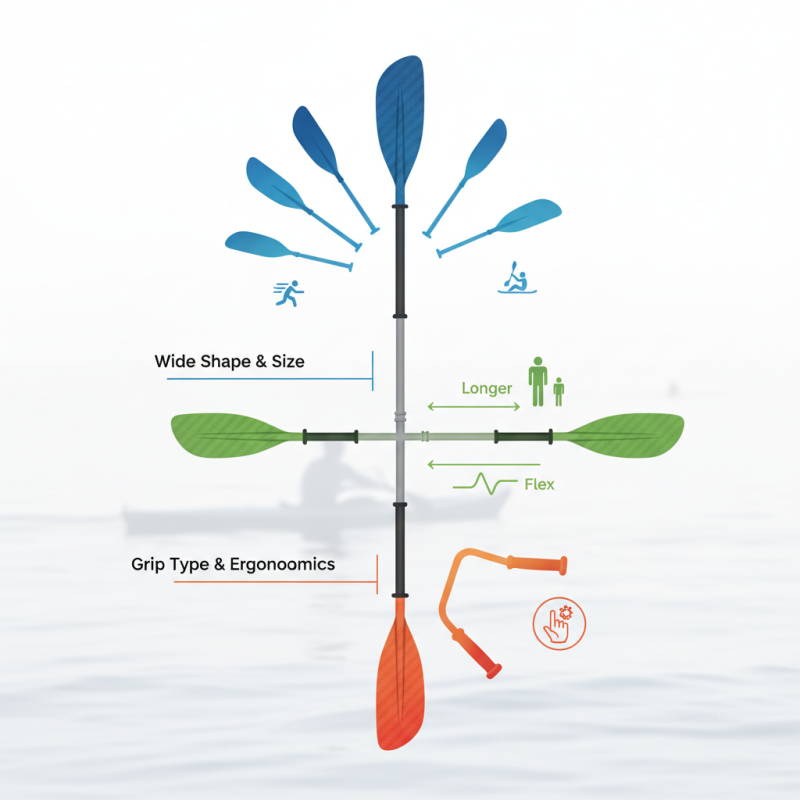
When selecting a carbon fiber paddle, understanding paddle dimensions is crucial. The length of the paddle plays a significant role in your performance. Taller paddlers may benefit from longer paddles. A longer paddle can provide greater reach, but it may feel heavy over time. For those who are shorter, a paddle that is too long can cause unnecessary strain.
Width also matters. Wider paddles generally offer more surface area for an efficient stroke. However, they can be bulkier and harder to maneuver. A narrower paddle could improve your speed but might sacrifice power during each stroke. Adjusting your grip width may help find a comfortable balance.
Weight is another key consideration. Lightweight paddles tend to offer better handling, especially for long distances. However, opting for ultra-light materials can sometimes lead to increased fragility. It’s essential to find a weight that feels comfortable in your hands without compromising durability or performance. Balancing these dimensions can be a challenge, but it’s part of the journey to finding your perfect paddle.
Comparing Price Points: Budget-Friendly to High-End Options
When selecting a carbon fiber paddle, understanding price points is critical. Typically, budget-friendly options range from $100 to $300. These paddles can offer decent quality, but may lack advanced features. Reports suggest that paddles in this range are often heavier and less durable. You'll want to assess their performance thoroughly before purchasing.
High-end paddles, priced from $400 to $800, boast superior materials and craftsmanship. They are often lighter and more responsive. Research shows these models can enhance your experience, especially when used frequently. However, they may not be suitable for casual paddlers. You should weigh the frequency of usage against the significant investment.
Tip: Consider your skill level and paddling frequency. If you're a beginner, splurging on a high-end paddle may not be necessary.
Another point to ponder: some paddlers might choose a lower-priced paddle to test the waters. If you find you enjoy paddling, you can upgrade later. However, buying a quality paddle initially may prevent future regrets.
Tip: Always try a paddle before you buy. Ensure it feels comfortable and suits your style.
Comparing prices should not only involve looking at costs. Focus on the materials and design. Durability and performance impact your experience significantly. Remember, the right paddle can make all the difference on the water.
Learning About Paddle Care: Maintenance Tips for Longevity
Taking care of your carbon fiber paddle is essential for its longevity. Regular maintenance ensures optimal performance and durability. After each use, rinse your paddle with fresh water to remove salt and debris. This simple step can prevent corrosion and damage. Allow it to dry completely before storing it. Moisture can lead to mold and degradation over time.
Inspect your paddle for any signs of wear. Look for cracks, chips, or peeling. Address these issues promptly to avoid bigger problems later. A little awareness goes a long way. Use a soft cloth for cleaning, avoiding harsh chemicals that can harm the surface. Storing your paddle in a cool, dry place will also help. Extreme temperatures can negatively impact carbon fiber.
It’s easy to overlook these small details. Many paddle owners may neglect routine checks. However, dedicating time to maintenance can lead to a much longer lifespan for your paddle. Consider developing a checklist for regular care. Small steps will not only enhance your paddle’s performance but also extend your enjoyment on the water.
How to Choose the Best Carbon Fiber Paddle for Your Needs? - Learning About Paddle Care: Maintenance Tips for Longevity
| Feature |
Description |
Importance Level |
| Weight |
Lighter paddles provide better maneuverability and less fatigue during prolonged use. |
High |
| Blade Shape |
Different shapes affect the paddle's efficiency and performance in the water. |
Medium |
| Grip Type |
Comfortable grips reduce hand fatigue and provide better control. |
High |
| Durability |
A durable paddle withstands wear and tear, ensuring longevity. |
High |
| Maintenance Requirements |
Understanding how to clean and maintain a paddle extends its life. |
Medium |
| Price |
Varies widely; ensure it fits your budget while meeting your needs. |
Medium |
| Grip Size |
Choosing an appropriate grip size enhances comfort and control. |
High |
Conclusion
Choosing the best Carbon Fiber Paddle involves understanding its unique benefits, such as lightweight construction and enhanced performance. It's essential to assess your specific paddle usage, whether recreational or competitive, as this will influence the type of paddle that best suits your needs. Evaluating paddle dimensions, including length, width, and weight, is crucial for comfort and efficiency during use.
Additionally, comparing price points from budget-friendly options to high-end selections can help you find a paddle that aligns with your financial considerations. Finally, to ensure the longevity of your investment, learning proper care and maintenance tips is vital. With these factors in mind, you can make an informed decision when selecting a Carbon Fiber Paddle that meets your requirements.

 Green Boat