How to Choose the Right Battery Isolator for Your Vehicle?

Time:2026-03-18 Author:Ethan
0%

Selecting the right battery isolator for your vehicle is crucial. A battery isolator helps manage power between multiple batteries. This ensures your primary battery remains charged while powering accessories.

When choosing a battery isolator, consider your vehicle's needs. The current draw from devices should match the isolator’s capacity. Pay attention to the installation process as well. An improper installation might lead to issues down the road.

Some isolators offer additional features, like voltage sensing and automatic disconnect. These can enhance performance but may complicate the selection. Understanding these options can help avoid future regrets. It's essential to weigh both benefits and downsides carefully. Ultimately, the right battery isolator empowers your vehicle's performance and reliability.
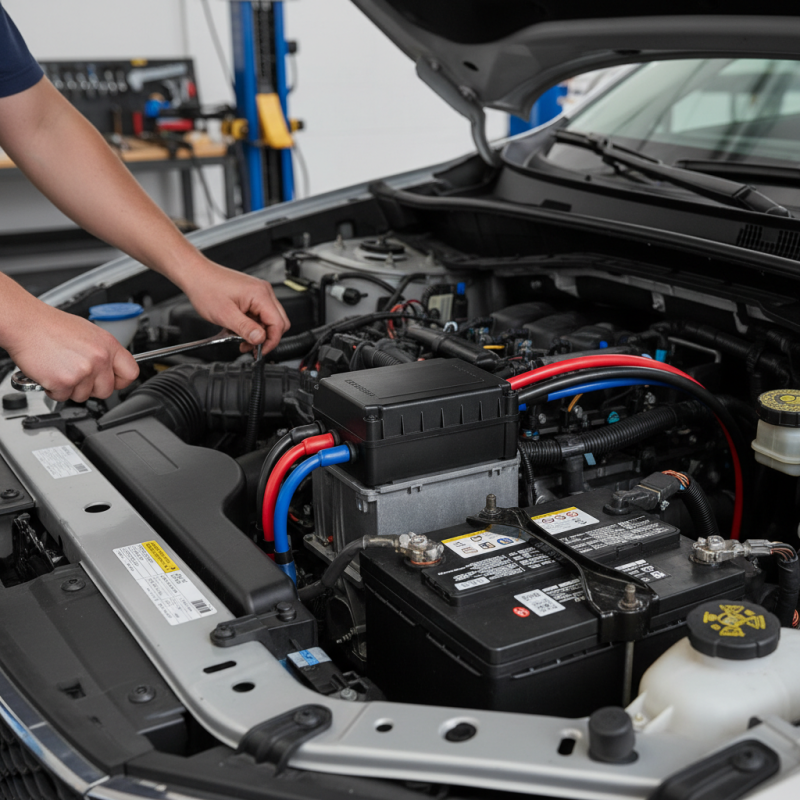
How to Choose the Right Battery Isolator for Your Vehicle?

Understanding Battery Isolators: Definition and Purpose

Battery isolators play a crucial role in managing power in vehicles, especially those with dual battery systems. Understanding their function is essential. A battery isolator prevents backflow between batteries, ensuring that the starting battery retains its charge. According to industry studies, about 30% of recreational vehicle owners experience battery issues due to improper isolation methods.

Choosing the right isolator involves considering several factors. The amperage rating is vital. A unit should match or exceed the combined output of the system. Many sources report that an insufficient rating leads to overheating, which might cause failure. The installation location also matters. Isolators should be placed in well-ventilated areas to avoid heat buildup.

Installation can sometimes be complex. Many users overlook the importance of wiring gauge, which should correspond with the isolator's rating. Reports indicate that 25% of installations fail because of improper wiring. Reflections from these cases highlight that an isolator isn't just a simple accessory; it’s a critical component that demands attention and understanding.

Key Factors to Consider When Selecting a Battery Isolator

When selecting a battery isolator for your vehicle, there are several key factors to consider. First, understand the current rating. A good isolator can handle the total load of your electrical system. Many experts suggest a current rating that exceeds your maximum need by 20%. This can prevent overheating and ensure longevity.

Next, think about the type of isolator. There are manual and automatic options available. Automatic isolators are popular for their ease of use. They connect and disconnect based on voltage levels. Manual isolators, however, can offer more control, allowing you to engage or disengage as needed. It's important to reflect on your specific needs before making a decision.

Tip: Consider the installation location. Ensure it's accessible but protected from extreme conditions. This can prevent corrosion and ensure reliability.

Remember to check the voltage drop as well. A lower voltage drop can improve the system's efficiency. Some reports suggest keeping it under 0.5 volts. This could mean better performance for your vehicle. Each component matters; neglecting this can lead to suboptimal performance.

Tip: Regularly inspect wiring and connectors. Corrosion can deteriorate connection quality over time. This can lead to unexpected failures. Your vigilance plays a key role in the overall health of your electrical system.

Types of Battery Isolators and Their Suitability for Vehicles

When selecting a battery isolator, understanding the types available is crucial. A common type is the diode isolator. It prevents backflow while allowing power to flow to multiple batteries. This option is low-cost, yet there can be a noticeable voltage drop. Reports indicate that diode isolators can lead to a 0.3-0.7 volt loss. For some applications, this could hinder performance.

Another popular option is the solenoid isolator. It uses a relay to manage battery connections. This type can handle high amperage. It is more efficient than diode isolators but may require more complex installation. A study found that solenoid isolators can maintain voltage levels better than their counterparts.

There are also automatic isolators available. They adapt based on battery charge levels. While these can be user-friendly, they may lack the reliability of manual systems. Many users report mixed experiences with these automatic options. Often, the choice depends on personal needs and vehicle type. Consider your system's specific requirements when making this decision.

Installation Process: How to Properly Set Up a Battery Isolator

Installing a battery isolator requires careful planning. First, locate the battery and the desired position for the isolator. Ensure the area is clean and easily accessible. You may need to adjust wires or remove components to create space for installation.

When connecting the isolator, pay attention to the labels. Typically, there are two main terminals and a ground connection. Use high-quality cables that can handle the desired amperage. It's crucial to avoid loose connections; they can lead to voltage drops and potential failures. Remember to secure all connections with heat shrink tubing or electrical tape.

Tips: Double-check all wiring before powering up. Test the isolator function by turning on the vehicle. If it fails to operate correctly, revisit your connections. Consistent errors might require consulting a professional. Always ensure you follow safety guidelines during the installation process. A small mistake can lead to costly repairs later, so take your time.

Battery isolation can be a bit tricky. Sometimes, you might overlook the importance of proper grounding. An improper ground can cause strange electrical issues. Ensure a solid connection to the vehicle's chassis. A well-installed isolator protects your primary battery and enhances overall vehicle performance.

Maintenance Tips for Optimal Performance of Your Battery Isolator

Maintaining your battery isolator is crucial for optimal vehicle performance. Regular checks can prevent many common issues. Start by inspecting the connection points. Ensure they are clean, tight, and free from corrosion. Loose connections can lead to power loss and inefficiencies. Cleaning may require a simple wire brush or a cleaning solution.

Another important step is monitoring the isolator’s temperature. Excessive heat can indicate a problem. If it feels unusually warm, it might be worth looking into. This could reflect a malfunction or improper installation. Pay attention to the charging status as well. If the vehicle isn't starting easily, it could be a sign that your isolator is failing.

Lastly, consider how often you use your vehicle. Infrequent use can lead to battery drainage. If your vehicle sits for extended periods, disconnect the isolator entirely. This helps preserve battery life. Reflecting on your maintenance habits is vital. Are you proactive or reactive? Evaluating your approach can result in better performance and longevity of your battery isolator.

FAQS

: What are the common types of battery isolators?

: Common types include diode isolators, solenoid isolators, and automatic isolators. Each has unique features and benefits.

What is a diode isolator and its drawbacks?

A diode isolator prevents backflow but may cause a voltage drop of 0.3-0.7 volts, affecting performance.

How does a solenoid isolator work?

Solenoid isolators manage battery connections using a relay. They handle high amperage but require more installation effort.

What should I check before installing a battery isolator?

Ensure the area is clean and accessible. Check the battery's position and plan any adjustments needed.

How can I ensure proper connections during installation?

Use high-quality cables and secure connections. Loose connections can lead to voltage drops and potential failures.

Why is maintenance important for a battery isolator?

Regular maintenance ensures optimal performance. Inspect connection points, monitor temperature, and clean to prevent power loss.

How can I tell if my isolator is malfunctioning?

If your vehicle has trouble starting or the isolator feels unusually warm, these may indicate specific problems.

What should I do if my vehicle is not used often?

Disconnect the isolator if your vehicle sits for long periods. This helps preserve battery life and prevent drainage.

What’s a common mistake during installation?

Overlooking the importance of proper grounding can lead to strange electrical issues. Ensure a solid chassis connection.

Conclusion

A battery isolator is a crucial component for managing multiple batteries in vehicles, ensuring that each battery can function independently while providing protection against draining. When selecting the right battery isolator, it’s essential to consider key factors such as the electrical demands of your vehicle, the type of batteries used, and the isolator’s amperage rating. Understanding the different types of battery isolators available, including automatic and manual options, will help determine the most suitable one for your specific needs.

Proper installation of a battery isolator is vital for optimal performance, requiring careful attention to wiring and connection to prevent potential issues. Regular maintenance, such as checking connections and cleaning terminals, will enhance the lifespan and efficiency of your battery isolator. By following these guidelines, you can ensure that your vehicle’s electrical system operates smoothly and reliably.

Ethan

Ethan

Ethan is a seasoned marketing professional with a deep expertise in our company's innovative product line. With a passion for sharing knowledge and insights, he takes the lead in regularly updating our corporate blog, where he explores industry trends, product features, and effective marketing......