Avoid These Common Mistakes When Buying a Boat

Time:2026-06-19 Author:Charlotte
0%

When it comes to purchasing a boat, many buyers stumble through common pitfalls. Understanding "what mistakes to avoid with boats" is crucial for a successful investment. Expert Jack Thompson, a seasoned marine broker with over 20 years of experience, emphasizes, “A lack of research can lead to regretful decisions.” His insight highlights the importance of preparation in the buying process.

Many first-time buyers often overlook essential details. They may focus solely on aesthetic features or price while ignoring critical aspects like maintenance costs and insurance. These oversights can lead to financial strain down the road. Investing in a boat should come from a place of knowledge and intention.

Diving deeper into the selection process reveals even more complexities. Obtaining a survey can uncover hidden issues that may save you from unexpected repairs later. It’s essential to take the time to evaluate options carefully. Many buyers fail to prioritize obtaining a professional inspection before finalizing a purchase. This critical step can protect you from making a decision you'd later regret.
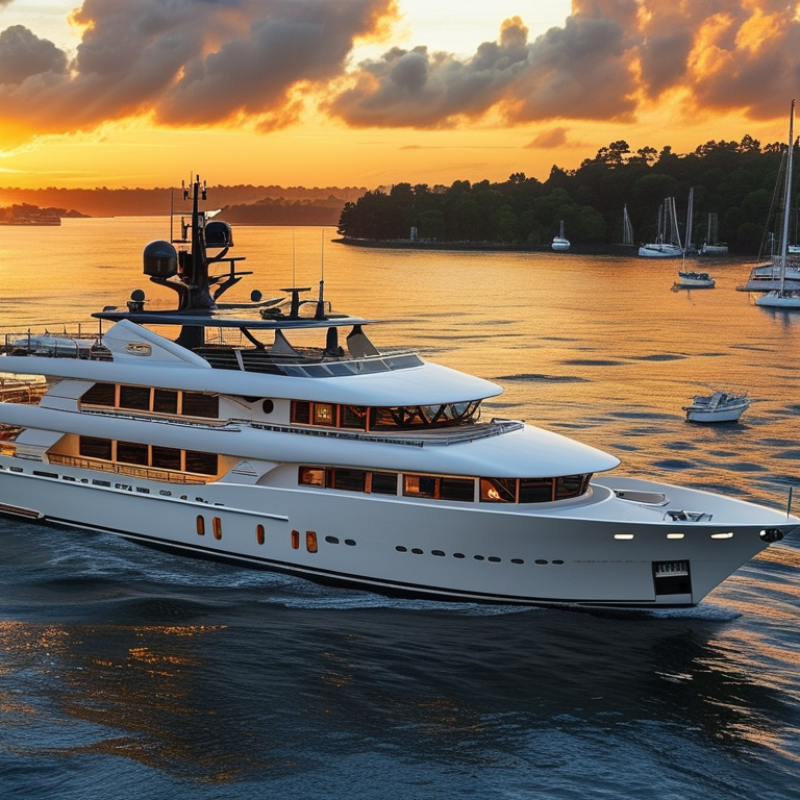
Avoid These Common Mistakes When Buying a Boat

Understanding Your Needs and Preferences Before Buying a Boat

When considering a boat purchase, understanding your needs and preferences is crucial. Many buyers often rush into decisions without a clear idea of what they want. According to a recent industry survey, about 48% of first-time boat buyers regretted their choice due to unmet expectations. This highlights the importance of outlining your requirements before making any commitments.

Consider your intended use. Will you sail for leisure, fishing, or watersports? Each type of use mandates different boat specifications. For instance, a fishing boat typically requires ample storage for gear, while a family cruising boat should prioritize comfort. The National Marine Manufacturers Association reports that 45% of boat owners use their vessels for family outings. This data emphasizes the importance of family-oriented designs. Ensure you evaluate how many passengers you’ll typically have onboard as well.

Budget constraints often lead buyers astray. Many enthusiasts overlook ongoing costs like maintenance, storage, and insurance. The average annual maintenance cost can range from $500 to over $3,000, depending on the boat size and type. This oversight may lead to financial strain in the long run. Reflecting on these aspects, it’s essential to conduct thorough research and seek expert opinions. A gap between desire and reality can result in disappointment. Take your time to align your wishes with practical considerations.

Researching Different Types of Boats and Their Uses

Buying a boat is an exciting venture, but it involves careful consideration. Different types of boats serve specific purposes. Some are designed for fishing, while others excel in leisure or water sports. Understanding these differences is crucial. For instance, a small aluminum boat is great for calm lakes, while a deep-v hull is ideal for rough waters.

Before making a decision, research various boat types. Consider how you plan to use the boat. Will you take it on long trips, or just enjoy weekend outings? Also, factor in the number of passengers. A family boat needs extra space, while a speedboat doesn’t require as much. Each type comes with distinct features, including storage capacity and fuel efficiency.

Mistakes often arise from assumptions. Don’t just choose a boat based on looks or recommendations. Think critically about your needs. Join online forums or engage with local boating communities for insights. Understanding your ideal boat will enhance your overall experience. It’s better to invest time in research than regret a hasty purchase.

Avoid These Common Mistakes When Buying a Boat - Researching Different Types of Boats and Their Uses

Boat Type Primary Use Length Range (ft) Capacity (People) Typical Price Range ($)
Sailboat Pleasure cruising, racing 20 - 50 2 - 10 5,000 - 150,000
Powerboat Water sports, fishing 16 - 40 2 - 12 15,000 - 200,000
Pontoon Boat Leisure, parties 20 - 30 6 - 16 25,000 - 60,000
Fishing Boat Fishing 15 - 30 2 - 8 10,000 - 80,000
Houseboat Living, recreation 30 - 70 4 - 12 30,000 - 300,000

Evaluating Your Budget and Financing Options for Boat Purchase

When considering a boat purchase, evaluating your budget is crucial. It's not just about the price tag of the boat. You must also account for insurance, maintenance, fuel, and docking fees. These costs can add up quickly. For instance, annual maintenance could be several hundred dollars. Unexpected repairs can also arise, sometimes costing thousands. Understanding these expenses leads to more informed decisions.


Financing options can further complicate your boat buying process. Many buyers overlook the interest rates and loan terms. A boat loan can impact your finances for years. Shorter terms might mean higher payments, while longer terms can lead to paying more interest overall. Knowing your credit score can help you secure better rates. Some buyers might rush into loans without full understanding. It’s important to take the time to read the fine print.


Reflecting on your financial situation before making a purchase is vital. Are you prepared for the long-term financial commitment? Expensive items often tempt buyers into impulsive decisions. Consider setting a budget that stretches beyond initial costs. This reflection can help avoid regret later on. Investing time into assessing your finances pays off significantly in the long run.

Inspecting Boats Thoroughly: Key Areas to Assess

When buying a boat, detailed inspection is crucial. Even small flaws can lead to significant expenses later. Start with the hull. Look for cracks, blisters, or signs of osmosis. These issues may indicate a compromised structure. Pay careful attention to the gel coat. A faded or peeling surface can signal deeper problems.

Next, inspect the engine and mechanical systems. Check for rust and leaks. A well-maintained engine can save you future repairs. Don’t forget the electrical system. Lights, gauges, and navigation equipment must all function properly. Look for frayed wiring, which could pose safety risks.

Tips: Bring a knowledgeable friend or a marine surveyor along. Their expertise will be invaluable in spotting hidden issues. Test all systems before finalizing the purchase. An on-water test will reveal performance and handling. Finally, keep in mind that cosmetic flaws can be easier to fix than structural ones, but don't let them blind you to bigger concerns.

Navigating Legal and Registration Requirements When Buying a Boat

When buying a boat, understanding the legal and registration requirements is crucial. Many new boat owners overlook this aspect, which can lead to significant headaches. According to the National Marine Manufacturers Association, about 50% of first-time boat buyers are unaware of registration regulations. This often results in delays and penalties that could have been easily avoided.

Registering a boat varies by state. Generally, it involves providing proof of ownership, such as the bill of sale, and completing necessary forms. Some states also require safety inspections before registration. The American Boating Association notes a common mistake: assuming that a dealer handles all paperwork. It's important to follow up and ensure that everything is completed timely.

Additionally, taxation can complicate the process. Some states impose sales tax on boat purchases. Ignoring this can lead to unexpected financial obligations. It's vital to research these requirements ahead of time. Many buyers report confusion and frustration, highlighting the need for professional guidance. Engaging with local boating organizations or legal experts can provide clarity. Always consider these factors to ensure a smooth buying experience.

FAQS

: Why is it important to understand my needs before buying a boat?

: Identifying your needs helps avoid regrettable purchases. Many buyers face unmet expectations after rushing their decisions.

What should I consider for intended boat use?

Think about whether you’ll use the boat for leisure, fishing, or watersports. Each use requires different specifications.

How many passengers do I need to accommodate?

Evaluate how many people will typically join you. Family outings should influence your choice towards more family-friendly designs.

What ongoing costs should I expect with boat ownership?

Don’t forget about maintenance, storage, insurance, and fuel. These costs can add up and affect your budget significantly.

How can financing options affect my boat purchase?

Interest rates and loan terms can impact long-term finances. Understanding these details can prevent financial strain later.

What should I reflect on regarding my financial situation?

Assess your ability to commit to long-term costs. Impulsive decisions may lead to regret without thorough evaluation.

How can I avoid disappointment in my purchase?

Conduct research and seek advice. Align your dreams with what’s practical to prevent unrealistic expectations.

Are there hidden costs associated with boat ownership?

Yes, unexpected repairs can arise, sometimes costing thousands. It's essential to prepare for these potential issues.

What happens if I rush into a loan for a boat?

Rushing can lead to misunderstanding terms. Always read the fine print to prevent financial discomfort down the line.

Conclusion

When purchasing a boat, it's essential to avoid common mistakes that could lead to regret or financial strain. First, understanding your needs and preferences is crucial—consider how you intend to use the boat, whether for leisure, fishing, or water sports. Researching different types of boats and their uses will help you make an informed decision that aligns with your lifestyle.

Additionally, evaluating your budget and financing options is vital. Skipping this step may result in unexpected costs down the line. Thoroughly inspecting boats is another critical area; ensure you check essential components to avoid future repairs. Lastly, navigating the legal and registration requirements is necessary to ensure a smooth ownership experience. By considering these elements, you can answer the question of what mistakes to avoid with boats, leading to a satisfying purchase.

Charlotte

Charlotte

Charlotte is a seasoned marketing professional with a deep understanding of the company's portfolio and a passion for elevating its presence in the market. With a keen eye for detail and a commitment to excellence, she ensures that our professional blog is regularly updated with insightful articles......