Safety is paramount in the boating industry. Each year, numerous incidents occur due to inadequate safety measures. According to the U.S. Coast Guard, over 80% of boating fatalities involve individuals who were not wearing life jackets. This alarming statistic underscores the necessity of proper safety gear. As marine safety expert Dr. Emily Carter states, "What safety gear is required for boats can make the difference between a safe outing and a tragedy."
When preparing for a trip on the water, it's crucial to consider essential gear. Life jackets, flares, and fire extinguishers are just a few items. Many boaters often overlook the importance of having a first-aid kit on board. Moreover, having a reliable communication device can be a lifesaver in emergencies. The National Marine Manufacturers Association emphasizes that properly equipped boats are much safer.
Avoiding this topic is not an option. Boat safety gear includes both required items and optional extras. Inadequate preparation can lead to dire consequences. Each item serves a purpose. They are more than just suggestions; they are vital tools for ensuring safety on the water. Awareness of what safety gear is required for boats is essential for every boater.
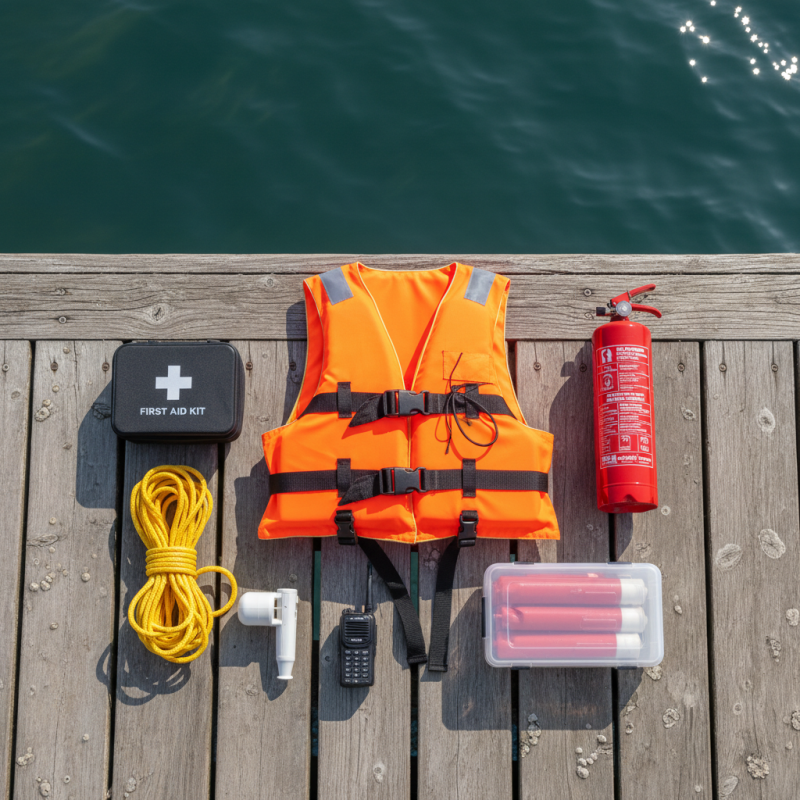
When it comes to boating, safety gear is non-negotiable. According to the U.S. Coast Guard's 2020 report,
77% of boating fatalities occurred on vessels where safety devices were absent. Essential gear can significantly mitigate risks.
Life jackets, for instance, are a basic requirement. They should be comfortable and fit properly. Personal flotation devices (PFDs) are not just regulations; they save lives.
Additionally, fire extinguishers form a critical part of safety equipment. Data from the National Fire Protection Association highlights that
equipment on boats faces unique fire hazards. An operational fire extinguisher can mean the difference between minor mishaps and life-threatening situations.
Flares and signaling devices also provide essential means for communication in distress. These may seem like small gadgets, yet they
play a vital role in emergency signaling.
It's crucial to possess a well-stocked first aid kit on board. Studies show that having
first aid supplies can greatly improve outcomes during medical emergencies. Appropriate training in using these supplies is equally important.
Often, boaters overlook the significance of having a working communication device. A VHF radio is key, especially in remote areas where cell service is unreliable.
Inadequate preparation can expose boaters to unexpected dangers.
Investing in safety gear is not just a choice; it's a responsibility.
When you head out on the water, safety should always be your top priority. Here are the top seven must-have safety items every boater needs. These essentials can make a difference during emergencies.
Life jackets are non-negotiable. Make sure they fit properly and are Coast Guard approved. Keep a few extra on board. You never know when someone might need one unexpectedly. Flare guns are another important item. They can signal for help in case of an emergency. Regularly check their expiration dates.
Don’t overlook a first aid kit. It should be stocked with essentials like band-aids and antiseptic wipes. Having a flashlight is crucial too. It can illuminate dark areas, especially during nighttime operations. A compass or GPS device keeps you oriented. Even seasoned sailors can lose their way in unfamiliar waters.
A fire extinguisher is a vital safety tool. Ensure it's easy to access and in working order. Also, pack extra water and snacks. In case of prolonged emergencies, being prepared can help sustain everyone on board.
Each item plays a role in ensuring safety. Remember to check their conditions before every trip. Avoid complacency; it’s better to be over-prepared than to find yourself in trouble. Always reflect on your safety gear needs. Consider if you have everything necessary for your journey ahead.
When it comes to boating safety, personal flotation devices (PFDs) are non-negotiable. There are various types of PFDs tailored for different activities. Some designs cater to high-impact sports, while others focus on comfort for casual boating. Familiarizing yourself with these options can significantly enhance safety on the water.
Understanding the importance of PFDs is crucial. They are not just regulations; they are life-saving tools. Even experienced boaters can underestimate risks. PFDs offer buoyancy and visibility, yet many still leave them behind. It's essential to remember that accidents can happen at any moment, even in familiar waters. Reflecting on your own habits is vital. Have you consistently worn your PFD every time?
Choosing the right type is essential. For instance, inherent buoyancy vests are generally more comfortable but may not provide as much support. Conversely, inflatable PFDs are compact and easy to wear but might offer less immediate stability. Consider your boating environment. Will you encounter rough waters, or is it a leisurely trip? The right choice can make all the difference in an emergency. Always prioritize safety over convenience.
| Item | Type | Importance |
|---|---|---|
| Personal Flotation Devices (PFDs) | Type I, II, III, IV, V | Essential for keeping individuals afloat in emergency situations. |
| Fire Extinguisher | Type B | Crucial for tackling onboard fires. |
| First Aid Kit | Complete medical supplies | Important for treating injuries or emergencies. |
| Sound Signaling Device | Whistle / Air horn | Essential for signaling to other boats and mariners. |
| Visual Distress Signals | Flares / Signal mirror | Vital for indicating distress to nearby vessels. |
| Anchor | Various types available | Ensures the boat remains in place during anchoring. |
| Safety Knife | Specialized safety knife | Useful for emergencies like entanglement in lines. |
When out on the water, safety signaling equipment plays a vital role. It ensures that you can be seen and heard in emergencies. Flares, for example, are a traditional choice. They can be effective in drawing attention from nearby vessels. However, flares have a limited lifespan and can be difficult to use correctly under stress.
Reflective devices, like flags or panels, are also essential. They increase visibility during the day and improve your chances of being spotted. Handheld VHF radios are another key element. They allow for clear communication with other boats or rescue services. Yet, using these devices requires understanding their functions and local protocols. It is crucial to practice with your equipment before you need it.
Personal Locator Beacons (PLBs) provide an added layer of safety. They send your location to rescue teams in emergencies. However, battery life and signal strength can vary. Regular testing and maintenance help ensure reliability. Many boaters overlook this aspect. Investing time into learning about safety signaling equipment can make a significant difference in an emergency.
A well-equipped first aid kit is vital for any boating adventure. Research shows that injuries on boats can happen more frequently than one might assume. According to the U.S. Coast Guard, approximately 75% of boating accidents result from human error, often leading to injuries. Having a comprehensive first aid kit on board can make a critical difference in emergencies.
Essential components of a marine first aid kit include adhesive bandages, antiseptic wipes, and gauze pads. A good kit should also contain scissors, tweezers, and a digital thermometer. Some experts recommend including a first aid manual tailored for marine environments. Incidents can occur in remote areas, so quick access to proper care is crucial.
Regularly check and update your kit. An outdated kit can be just as dangerous as having no kit at all. Ensure that medications, like pain relievers, are not expired. In a crisis, having the right tools can be the difference between a manageable injury and a serious situation. Safety gear is not just regulatory; it’s life-saving.
: Safety gear is essential to reduce risks and prevent fatalities. Most boating deaths occur without safety devices.
Life jackets must fit properly and be approved. Keep extra jackets on board for unexpected situations.
Regular checks are necessary. Ensure flare guns are functional and check expiration dates to guarantee effectiveness.
Include basic supplies like band-aids, antiseptic wipes, and tools for minor injuries. Proper training in first aid is vital.
A VHF radio is crucial, especially in remote areas. Cell service may not be reliable during emergencies.
It’s vital. Ensure the extinguisher is easily accessible and in good condition to handle potential fire hazards.
Extra water and snacks are important. They help sustain everyone in case of prolonged emergencies on the water.
Regularly check all gear for functionality. Avoid complacency and continuously assess your safety needs before each trip.
Yes, even experienced sailors can become complacent. Reflecting on safety gear needs is crucial for every journey.
Inadequate preparation can expose boaters to dangers. Investing in the right gear is a fundamental responsibility.
When venturing out on the water, ensuring the safety of all passengers is paramount. Understanding what safety gear is required for boats is essential for both novice and experienced boaters. This article highlights seven must-have safety items that every boater should prioritize. Among these are personal flotation devices, which come in various types and play a crucial role in keeping individuals afloat during emergencies.
Additionally, safety signaling equipment is vital for maintaining visibility and communication, enabling boaters to alert others in case of distress. A well-stocked first aid kit is another critical component, containing the necessary supplies to address injuries or medical issues promptly. By equipping boats with these essential safety gear items, boaters can significantly enhance their safety and that of their passengers on the water.

Green Boat