What Affects Boat Fuel Efficiency and How to Improve It?

Time:2026-03-04 Author:Mason
0%

Boat fuel efficiency is a critical consideration for both manufacturers and enthusiasts. According to marine expert Captain John Smith, “Understanding what affects boat fuel efficiency can lead to significant savings.” Boats, much like cars, have many factors that influence their fuel consumption, including weight, speed, and engine type.

The design of the hull plays a major role in how efficiently a boat moves through the water. A sleek hull can reduce drag and improve fuel economy. Fuel type and maintenance also matter. Using the right fuel can enhance performance. Regularly servicing the engine can ensure it operates smoothly, enhancing overall efficiency.

Many boaters overlook the impact of weather and water conditions. Waves, currents, and wind can drastically change fuel consumption. A boater’s habits also contribute. Aggressive acceleration and rapid deceleration waste fuel. Awareness of these factors can empower boaters to make informed choices. Improving fuel efficiency is often a collective effort.
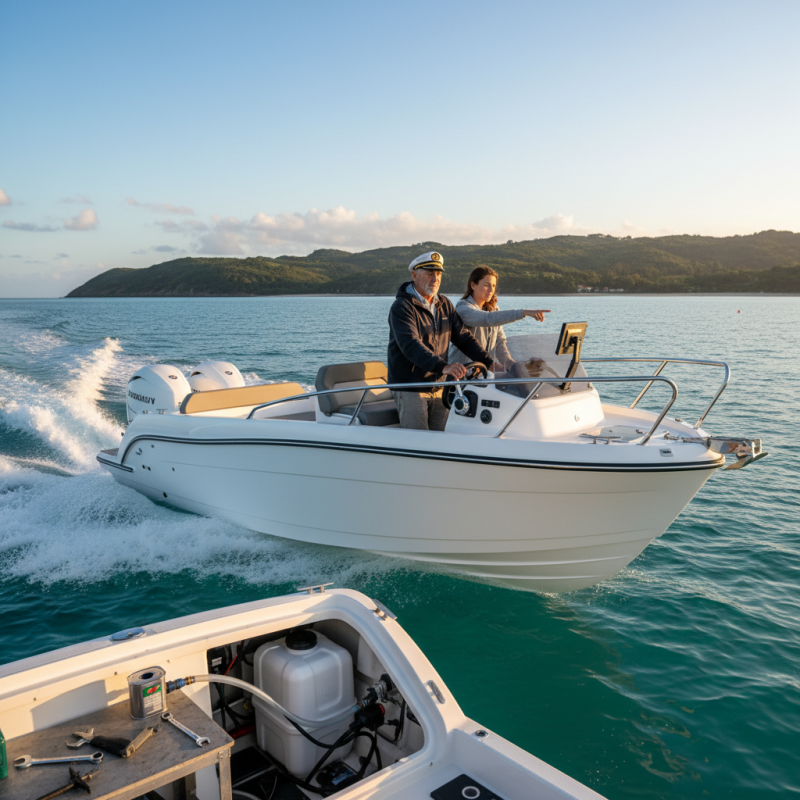
What Affects Boat Fuel Efficiency and How to Improve It?

Factors Influencing Boat Fuel Efficiency

When considering factors influencing boat fuel efficiency, weight plays a crucial role. A heavier vessel consumes more fuel. According to industry data, reducing weight by just 10% can lead to a fuel efficiency improvement of about 5-10%. This underscores the importance of choosing lighter materials in boat design and maintenance.

Another significant factor is hull design. A streamlined hull reduces drag, leading to better fuel economy. Studies indicate that a well-designed hull can improve fuel efficiency by up to 15%. Boat operators often overlook the maintenance of hull surfaces, which can accumulate growth and increase drag. Regular cleaning is vital for maintaining optimal performance.

Engine tuning is also essential. An improperly tuned engine may waste fuel. Reports show that a well-tuned engine can save up to 20% in fuel consumption compared to a neglected one. It’s important to address regular maintenance. Ignoring these aspects can lead to unnecessary fuel costs over time.

Understanding the Impact of Boat Design on Fuel Consumption

Boat design plays a critical role in determining fuel efficiency. According to a report by the National Marine Manufacturers Association, hull shape significantly influences drag. A streamlined hull reduces resistance and enhances fuel economy. For instance, boats with a deep-V design often require more power to maintain speed. This design can lead to higher fuel consumption compared to flatter hulls.


Moreover, weight distribution is another vital factor. Heavier boats need more engine power, directly impacting fuel usage. The U.S. Coast Guard studies suggest that optimizing load placement can improve efficiency by up to 10%. Lightweight materials can also make a significant difference. Yet, many boaters often overlook these aspects in their design choices.


The choice of engine also affects fuel efficiency. Engines with a higher power-to-weight ratio can provide better performance at lower fuel costs. However, this may not always be the easy choice. Upgrading can be costly, and not all boats are designed for efficiency upgrades. Recognizing these challenges can lead to better decisions for boat owners focused on improving fuel consumption.

The Role of Engine Type and Maintenance in Fuel Efficiency

The type of engine plays a crucial role in a boat’s fuel efficiency. Different engines have distinct characteristics that affect performance. For instance, two-stroke engines are generally lighter and simpler but tend to consume more fuel than four-stroke engines. Four-stroke engines, while heavier, are usually more efficient and cleaner. This efficiency can lead to significant savings over time, but many boaters overlook this when choosing an engine.

Maintenance is another key factor influencing fuel efficiency. Regular checks on the engine can prevent issues that lead to poor performance. Simple tasks like changing the oil and replacing filters can make a noticeable difference. However, many boat owners delay these essential maintenance routines. A neglected engine can run inefficiently, wasting fuel and money. Small adjustments like proper propeller size or ensuring clean hull surfaces can further enhance productivity. Yet, it’s easy to forget these when caught up in the thrill of sailing.

Environmental Conditions and Their Effects on Fuel Performance

Environmental conditions play a crucial role in determining boat fuel efficiency. Temperature, wind, and water currents can significantly affect performance. For instance, warmer water reduces drag, potentially improving fuel economy. Conversely, colder temperatures can increase fuel consumption due to higher engine loads.

Wind direction and speed also have noticeable impacts. A headwind can cause boats to work harder, using more fuel. When traveling with the wind, the opposite occurs. The boat sails more smoothly, requiring less power and therefore less fuel.

Water conditions matter too. Choppy waves increase resistance, leading to greater fuel usage. Calm waters typically allow for smoother sailing and improved efficiency.

Captains often overlook these factors. Many focus on engine maintenance and hull design, missing the larger environmental picture. A thorough understanding of these variables can lead to better decisions. Adjusting routes based on weather forecasts or optimizing speed for current conditions might enhance fuel performance. Being aware of these elements is essential for anyone seeking to improve efficiency on the water.

Techniques for Improving Fuel Efficiency in Boating

Fuel efficiency in boating is a crucial concern for many boaters. Several techniques can enhance this aspect, leading to cost savings and environmental benefits. One effective method is proper maintenance. Regularly check your engine and propeller. Clean and replace filters as needed. Neglected engines can consume more fuel.

Adjusting your cruising speed can also make a difference. Slower speeds often improve fuel efficiency. It might feel counterproductive, but going easy on the throttle pays off. A simple adjustment to trim can reduce drag. Use your boat’s trim tabs to find the optimal angle.

Weight impacts fuel consumption too. Remove unnecessary gear that isn’t needed for your trip. This helps reduce resistance in the water. Be mindful of cargo and passengers. Overloading not only drains fuel but also hinders performance. Every small change in habits can lead to better fuel economy over time. Reflect on your boating practices and see where improvements can be made.

FAQS

: What are the key benefits of the product?

: The product offers convenience, ease of use, and saves time in daily tasks. It simplifies complex processes.

How do I know if this product is suitable for me?

Consider your needs and lifestyle. Reflect on how the product may fit your routine and goals.

Are there any common issues users face?

Some users report integration challenges with existing systems. Feedback suggests adapting takes time.

How can I improve my experience with the product?

Engage with community forums. Users often share tips and tricks that enhance the overall experience.

Is there a warranty or guarantee?

Yes, there is a limited warranty. Review the details to understand what it covers and for how long.

What should I do if I encounter a problem?

Contact customer support for assistance. Prepare to describe the issue clearly to get better help.

Can I return the product if I'm not satisfied?

Yes, there is a return policy. Make sure to review the terms and conditions before purchasing.

How often should I use the product for best results?

Use it regularly. Experiment with frequency to find what works for you.

Are there any maintenance tips I should follow?

Keep it clean and store it properly. Neglecting maintenance can lead to reduced performance over time.

What is the average lifespan of the product?

Lifespan varies. Many users estimate several years with proper care. Assess your usage habits for accuracy.

Conclusion

The article "What Affects Boat Fuel Efficiency and How to Improve It?" explores various factors that significantly influence the fuel consumption of boats. Key elements include the design of the boat, which affects hydrodynamics and overall performance, as well as the type and maintenance of the engine, which play a crucial role in operational efficiency. Environmental conditions, such as water currents and weather, can also impact fuel performance, highlighting the need for understanding these variables.

To enhance fuel efficiency in boating, the article suggests several effective techniques. These include optimizing weight distribution, regular engine maintenance, and adopting cruising speeds that minimize fuel consumption. By thoroughly understanding what affects boat fuel efficiency, boaters can implement strategies to reduce costs and improve environmental sustainability while enjoying their time on the water.

Mason

Mason

Mason is a seasoned marketing professional with a deep expertise in the company's offerings and a passion for driving brand awareness. With a strong background in digital marketing strategies, he has an innate ability to connect with diverse audiences and effectively communicate product benefits.......