When considering what affects the lifespan of a boat, various factors come to play. Renowned marine expert Dr. James Everly emphasizes that, “Maintenance is key to extending any boat's life.” His insights shed light on the essential aspects of boat preservation.
Environmental conditions significantly impact a boat’s durability. Exposure to saltwater, intense sunlight, and harsh weather can wear down materials over time. Choosing the right location for storage is also crucial. Improper storage can lead to mold growth and corrosion, shortening the lifespan of your vessel.
Quality of construction and materials is another vital factor. Boats made from high-quality fiberglass or aluminum tend to last longer than those made from lesser materials. Regular inspections and timely repairs play a significant role in maintaining a boat. Ignoring small issues can lead to bigger problems down the line, ultimately affecting the boat's lifespan.
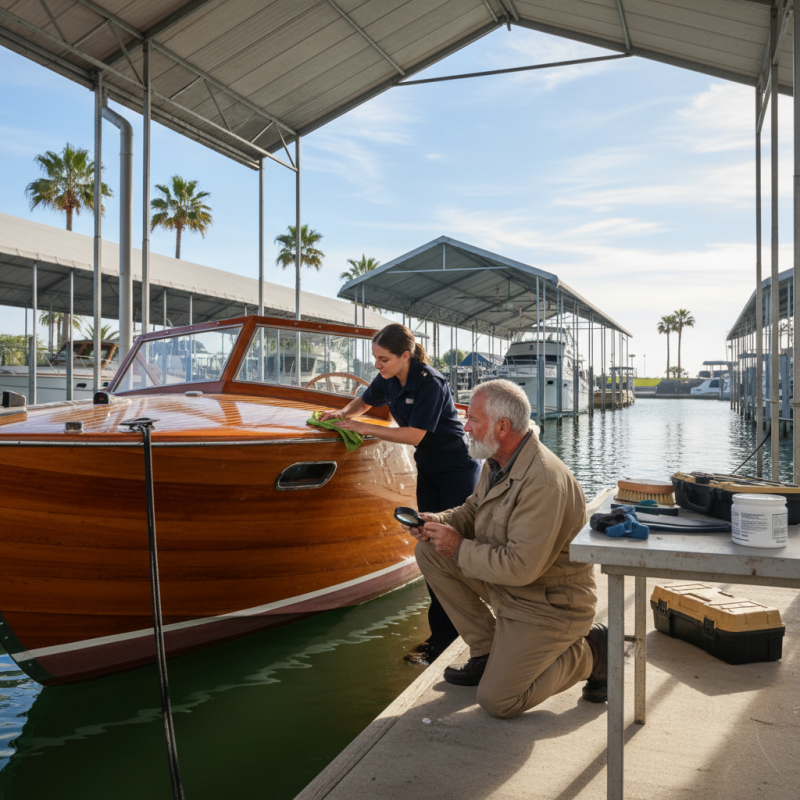
When it comes to boat construction, material durability plays a crucial role in determining the lifespan of your watercraft. Various materials exhibit different strengths and weaknesses. For instance, wood can provide natural beauty but requires frequent maintenance to prevent rot. Fiberglass is lightweight and corrosion-resistant, yet it may not withstand extreme impacts. Each material choice generates unique considerations for longevity.
Environmental factors also affect durability. Constant exposure to saltwater can accelerate wear. Sunscreen and UV rays can degrade certain materials quickly. Regularly checking for cracks, blisters, or signs of wear can help. An overlooked issue can lead to costly repairs. Additionally, storage conditions are vital; proper shelter can protect your boat from harsh elements.
Boat owners sometimes underestimate these factors. Choosing a durable material does not guarantee longevity. Mistakes happen, like neglecting routine maintenance. Each boat tells a tale of its treatment and care. Reflecting on these aspects is essential to enhance the lifespan of your vessel and ensure safe and enjoyable outings on the water.
Environmental conditions significantly affect the lifespan of your boat. Saltwater, for example, is particularly corrosive. Boats exposed to harsh marine environments tend to degrade faster than those in freshwater. Sun exposure can also damage surfaces. UV rays cause fading and cracking over time.
Temperature fluctuations contribute to wear as well. Cold weather can lead to material shrinkage. Conversely, extreme heat may cause parts to warp. Rain and humidity introduce additional risks, such as mold and mildew. Proper storage can mitigate some of these effects. Indoor storage protects boats from direct rain.
Regular maintenance is crucial. Ignoring small repairs can lead to bigger issues later. Owners should check for scratches and blisters frequently. Cleaning the hull regularly helps prevent the buildup of harmful substances. These simple actions prolong the life of your vessel. Adapting to environmental challenges requires awareness and diligence.
Regular maintenance is crucial for extending the lifespan of your boat. Over time, neglect can lead to serious issues. Simple actions like cleaning the hull can prevent the growth of marine life. This growth can damage the boat’s surface and affect performance. Checking your engine often ensures it runs smoothly. A failure in the engine might occur when you least expect it, leaving you stranded.
Inspections play a key role in boat longevity. Routine checks can identify wear and tear before they escalate. A small leak in the hull can turn into a major problem if ignored. Keeping an eye on the electrical systems is also important. Corrosion can lead to failures that may require expensive repairs. Some owners find it easy to overlook minor issues, but these can have serious consequences.
Your boat deserves attention to detail. A good maintenance routine includes checking the trailer too. Tires should be inspected regularly, and lights must function properly. Each part of the boat contributes to its overall health. Regular upkeep is not just about avoiding breakdowns; it is about ensuring safe and enjoyable experiences on the water. Reflecting on past maintenance habits can inspire improvements that enhance your boating journey.
Technological advancements play a crucial role in extending the lifespan of boats. Modern materials, such as composite fiberglass, are lighter and more durable than traditional wood and metal. They resist corrosion and reduce maintenance needs. A study from the National Marine Manufacturers Association indicates that boats made with advanced materials can last up to 30% longer than older models.
Maintenance technology has also evolved. Innovations like automated monitoring systems now track everything from engine performance to hull integrity. For example, sensors can detect leaks and send alerts to owners. This proactive approach can save boat owners significant repair costs and prevent catastrophic failures. According to industry reports, regular use of these technologies can extend a boat's operational life by as much as 20%.
However, not all advancements are vulnerability-proof. Over-reliance on technology can lead to complacency. Human oversight remains essential. Some boaters may neglect simple manual checks, relying solely on automated systems. This oversight can result in preventable damage. Ultimately, while advancements offer great benefits, the human element cannot be ignored. Balancing technology use and traditional maintenance practices is key to maximizing a boat's lifespan.
Usage patterns significantly affect the lifespan of a boat. Frequent outings can lead to accelerated wear and tear.
According to a study by the National Marine Manufacturers Association, boats used regularly show 20% more signs of fatigue after just five years compared to those used infrequently.
This can manifest as minor cracks, fading paint, and more significant mechanical issues.
Environmental factors also play a crucial role. For example, boats exposed to saltwater are more susceptible to corrosion.
Research indicates that boats in coastal areas endure 15% more wear than those in freshwater environments. Seasonal changes can further exacerbate this issue.
Regular maintenance is essential but often overlooked. Many boat owners neglect simple checks on engine oil and hull conditions.
A report from the Boat Owners Association suggests that 30% of expensive repairs stem from preventable wear.
Awareness of usage patterns is crucial for extending a boat's longevity. Balancing usage and maintenance can significantly impact overall performance and durability.
: Environmental conditions like saltwater and UV rays can significantly reduce your boat's lifespan.
Sun exposure, extreme temperatures, rain, and humidity all contribute to wear and tear.
Indoor storage protects boats from direct rain, reducing risks like mold and corrosion.
Ignoring small issues can lead to larger, more costly problems over time.
Frequent checks for scratches and regular hull cleaning help prevent harmful buildup.
Advanced materials like composite fiberglass resist corrosion and require less maintenance.
Technology can track performance and detect issues, potentially saving repair costs.
Yes, over-reliance may lead to neglecting simple manual checks, resulting in damage.
Regular use of modern technologies can extend a boat's operational life by up to 20%.
Balancing technology with traditional practices is crucial for maximizing longevity.
When considering what affects the lifespan of a boat, several key factors come into play. Firstly, the material used in boat construction significantly influences durability; certain materials withstand wear and tear better than others. Additionally, environmental conditions such as exposure to saltwater, UV rays, and temperature fluctuations can accelerate degradation, impacting longevity.
Regular maintenance and inspections are crucial for extending the lifespan of a boat, as they help identify potential issues before they escalate. Furthermore, advancements in technology have improved boat design and maintenance practices, contributing to longer-lasting vessels. Finally, how a boat is used—such as frequency and type of activity—also determines the rate of wear and tear, ultimately affecting its lifespan. Understanding these elements is vital for boat owners looking to maximize their vessel's durability and performance over time.

Green Boat