Boating is an exhilarating experience, but problems can arise unexpectedly. According to marine expert John Smith, “Understanding how to fix common boat problems can save you time and money.” Whether it's a stubborn engine or a leaking hull, knowing what to do makes a difference.
Many boat owners face issues that leave them feeling helpless. An engine that won’t start can ruin a planned outing. A small leak can escalate quickly if not addressed. These situations remind us that familiarity with basic repairs is essential.
Learning how to fix common boat problems is crucial for every boater. With practice and patience, even challenging repairs can be managed. Each experience presents an opportunity for growth and understanding. Embracing these challenges can help build confidence on the water.
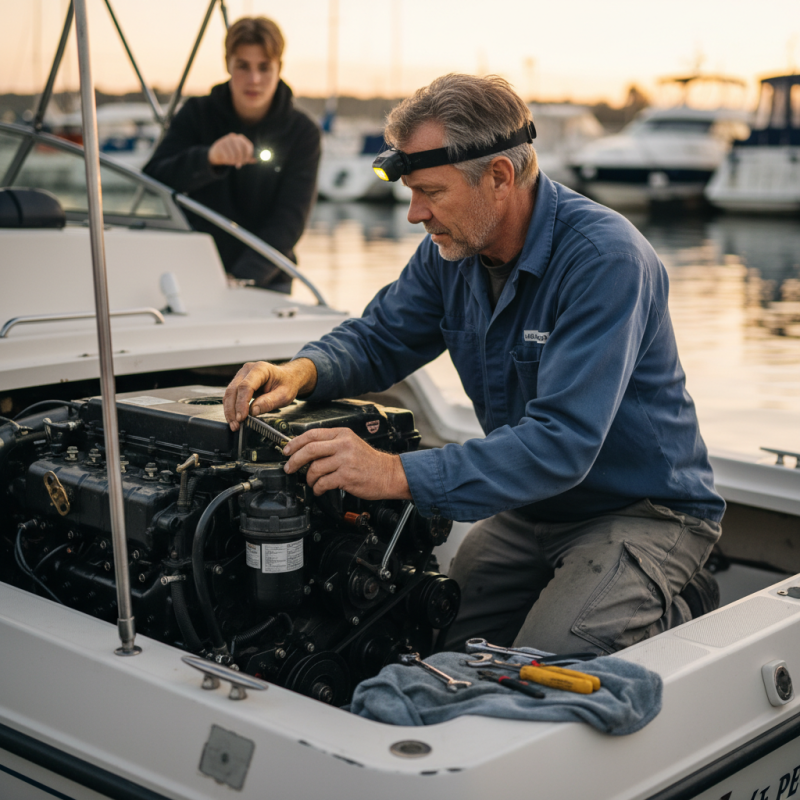
When it comes to boating, it's crucial to know potential problems. Common issues can disrupt your enjoyable day on the water. Engine troubles are often a primary concern. A faulty engine can lead to frustrating moments. Keeping an eye on your oil levels and fuel quality is essential. Signs of trouble may include odd noises or diminished power.
Another frequent problem involves electrical systems. Dead batteries can leave you stranded, while malfunctioning wiring may cause more significant issues. Inspecting connections and ensuring good battery health can prevent these headaches. Also, take time to check the bilge pumps. A failing bilge can lead to serious problems and could sink your boat.
Lastly, leaks are a common nightmare. They may start as small issues but can escalate quickly. Regularly inspect the hull for cracks and watch for any signs of water entering the boat. Addressing these difficulties early can save you time and money later on. It's all about being proactive and attentive to the details.
Diagnosing engine issues in boats can be daunting. Many boaters face similar problems. Understanding common symptoms helps in identifying the right solution. Unusual noises are often the first sign of trouble. A knocking sound could indicate loose components or serious damage. If the engine is overheating, check the cooling system.
Start by examining the fuel system. Ensure the tank has enough fuel. Clogged filters can inhibit performance too. A simple inspection might reveal debris or dirt in the lines. Worn spark plugs can lead to misfires. Replacing them often restores engine power. If the ignition system is faulty, consider testing the coil.
Don’t ignore the battery. A dead battery is a common issue, especially after periods of inactivity. Check connections for corrosion or loose terminals. Clean them carefully. Monitoring electrical systems is crucial for smooth operation. However, it’s easy to overlook these basics. Forgetting small details can lead to more significant issues later on. Addressing even minor problems early helps maintain your boat in good condition.
Electrical systems on a boat can fail unexpectedly. Issues could range from a dead battery to faulty wiring. According to industry data, around 30% of all boat malfunctions are electrical. This statistic highlights the need for vigilantly monitoring electrical systems.
Start with the basics. Check your battery connections and terminals for corrosion. Clean connections ensure a good power flow. If your battery is older than five years, consider replacing it. An aging battery can lead to serious issues, especially during long trips. Keep a voltage meter handy. Regular checks can avoid surprises.
Wiring can fray over time. Check for any signs of wear or damage. Insulation can degrade, leading to shorts and unexpected outages. A recent survey revealed that almost 40% of electrical failures stemmed from wiring issues. Not every problem is easy to spot, though. Regular inspections, although tedious, can save you from bigger troubles later. Remember, preventive maintenance is key to enjoying your time on the water.
Fuel system issues can disrupt your boating experience. Clogged fuel filters are common culprits. Regularly inspect and replace them to ensure smooth operation. A blocked filter can starve your engine. That can lead to frustrating downtime on the water.
Moreover, water in the fuel can cause significant problems. Even small amounts can impact engine performance. It’s vital to check the fuel for any signs of contamination. Use a clear container to visually inspect the fuel before adding it to the tank. If water is present, consult a technician.
Always remember to clean the fuel lines on a regular basis. They can accumulate dirt and debris over time. Keep an eye on the fuel pump too. It should make a consistent noise when operational. If it acts erratically, it might be time for evaluation or replacement. Small oversights can lead to bigger issues later. Be proactive to enjoy your time on the water.
| Problem | Symptoms | Possible Causes | Solutions |
|---|---|---|---|
| Engine Won't Start | No cranking sound, dashboard lights off | Dead battery, faulty ignition switch | Check battery connections, replace battery if needed |
| Fuel Leak | Puddle of fuel under the boat, strong fuel odor | Cracked fuel line, loose connections | Inspect and replace damaged lines, tighten connections |
| Stalling Engine | Engine cuts out while running, difficulty accelerating | Dirty fuel filters, water in fuel | Replace fuel filters, check for water contamination |
| Poor Acceleration | Sluggish response, engine sputters | Clogged fuel injectors, low fuel pressure | Clean or replace injectors, check fuel pump operation |
| Vapor Lock | Engine won't start after sitting, hot weather issues | High fuel temperature, insufficient fuel pressure | Insulate fuel lines, ensure proper routing of lines |
Maintaining your boat's hull is essential for its longevity and performance. Cracks, blisters, or gelcoat flaws can mean trouble. Regular inspections help identify these issues early. Pay attention to the seams and edges; these are often where problems start. A small crack can grow over time, leading to bigger repairs. Look for signs of wear or damage after each trip.
Repairing a boat hull often requires some skills. For minor scratches or chips, a simple repair kit can work wonders. Follow the instructions carefully. Sand the area, clean it, and apply the resin. Blisters may need more attention. You might have to grind them out and fill them properly. This process can be messy. Make sure to wear safety gear. Time management is crucial when working with resin; you don’t want it to cure before you finish.
Cleaning the hull regularly prevents buildup. Algae and barnacles can cause serious damage. A good scrubbing helps maintain the finish. Don’t forget to check for leaks regularly, especially in older boats. Ignoring these checks can lead to bigger issues down the line. Overall, maintaining a boat hull takes effort and awareness. It’s a continuous process of learning and improving.
: Unusual noises, like knocking sounds, can indicate problems. Overheating is another critical sign to check.
Check that the fuel tank is full. Inspect for clogged filters and debris in fuel lines.
Replacing worn spark plugs often restores engine power. It’s a simple yet effective fix.
A dead battery is a common issue. Check connections for corrosion or loose terminals to avoid problems.
Inspect your hull regularly for cracks and blisters. Address small issues to prevent bigger repairs later.
Use a repair kit. Sand the area, clean it, and apply resin according to the instructions carefully.
Grind out the blister and fill it properly. This can be a messy process; wear safety gear.
Regular cleaning prevents algae and barnacle buildup. A good scrubbing maintains the finish and protects your investment.
Pay close attention to seams and edges. These areas often show signs of wear and can grow worse over time.
In the article "How to Fix Common Boat Problems You Might Encounter," readers are guided through a comprehensive overview of typical issues faced by boat owners. The discussion begins with identifying common boat problems, providing a solid foundation for troubleshooting. A step-by-step guide assists in diagnosing engine issues, ensuring that even novice boaters can approach repairs with confidence.
Additionally, the article covers efficient troubleshooting of electrical systems and offers practical tips for resolving fuel system problems, which are crucial for safe operation. Finally, it emphasizes the importance of maintaining the boat's hull, addressing common repairs and solutions that can prolong the life of your vessel. This holistic approach equips boat owners with the necessary skills and knowledge on how to fix common boat problems effectively.

Green Boat