How to Improve Boat Performance in 2026 What Matters Most?

Time:2026-09-22 Author:Ethan
0%

How to Improve Boat Performance in 2026 What Matters Most?

What affects boat performance the most? The answer is rarely a single upgrade. Hull resistance, total weight, engine condition, propeller choice, trim, and weather work together. A polished hull can reduce drag, while an overloaded cockpit can quietly erase those gains. Small details matter.

Naval architect Dave Gerr explains the core principle clearly: “Less resistance means more speed.” His engineering approach remains useful for modern boats, especially when owners compare expensive upgrades with basic maintenance. A clean underwater surface, correctly sized propeller, and balanced load often deliver more noticeable results than decorative equipment. Experience at the helm confirms this. A boat that rises smoothly onto plane feels more efficient than one that strains, buries its stern, and leaves a wide, foamy wake.

In 2026, performance improvements should begin with measurement. Record fuel consumption, engine revolutions, speed, trim angle, and payload. Test changes separately. Otherwise, assumptions become expensive. Not every boat needs more horsepower. Sometimes, it needs less weight.

Still, real conditions complicate the answer. Choppy water, fouling, incorrect trim tabs, or an aging propeller can change results within minutes. Some recommendations may also fail on a different hull. That is worth admitting.

This guide examines practical ways to improve speed, efficiency, handling, and reliability. It focuses on evidence rather than sales claims. The best upgrade is not always the most advanced one. Often, it is the overlooked correction beneath the boat.
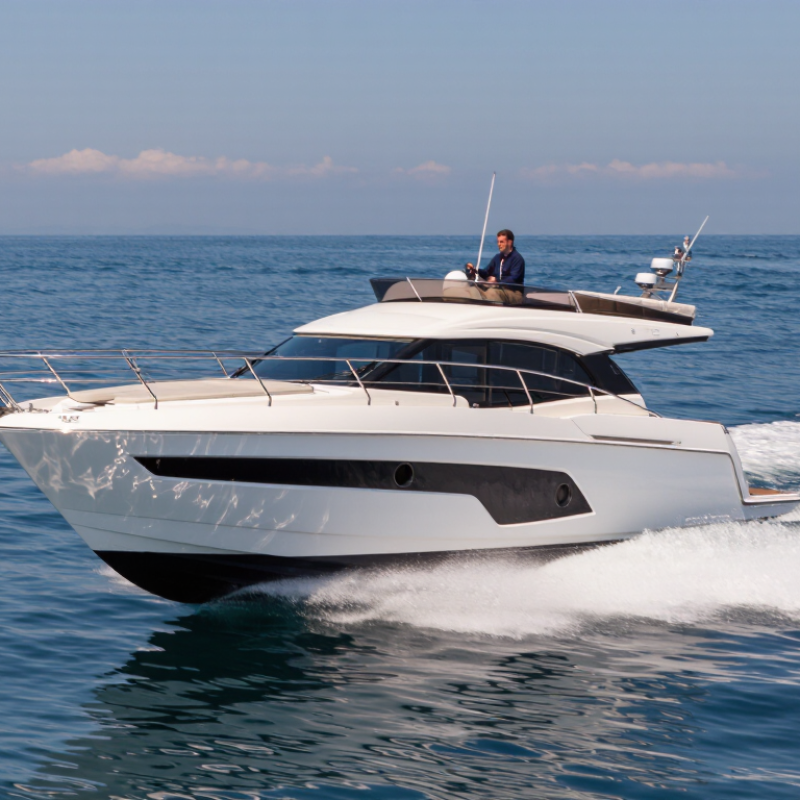
How to Improve Boat Performance in 2026 What Matters Most?

Define the Key Factors That Influence Boat Performance

How to Improve Boat Performance in 2026: What Matters Most?

Boat performance begins with the hull, not the throttle. Marine growth, dents, and a dirty running surface increase drag. During sea trials, I have seen a thin slime layer reduce acceleration noticeably. Clean the hull regularly, and inspect lifting strakes for damage. Small changes matter. Weight distribution is equally important. Heavy gear stored at the stern can raise the bow and delay planing. Move fuel, water, and equipment carefully, while keeping the vessel within its rated limits. An accurate load estimate is better than guesswork.

Propeller condition, pitch, and engine health directly affect delivered power. Check for bent blades, unusual vibration, and rising fuel consumption. Correct trim can reduce resistance, but excessive bow lift may reduce control. Test one adjustment at a time in similar water and weather. Record speed, engine rpm, fuel use, and planing time. Numbers expose assumptions. A suitable propeller should match the engine’s approved operating range, load, and intended use. Professional inspection is wise when performance changes suddenly.

Water temperature, wind, current, and passenger count can change results. I once blamed the engine for slow acceleration, yet the real problem was uneven loading. That mistake was useful because it showed how quickly impressions can mislead. Performance improvements should also preserve steering response, stopping distance, visibility, and stability. More speed is not always better. Use measured trials, follow the vessel’s manual, and leave room for conditions you did not predict.

Assess Hull Condition, Weight Distribution, and Water Resistance

Improving boat performance in 2026 starts with inspecting the hull, not adding power. A damaged or fouled hull creates unnecessary drag and wastes engine effort. Run your hand along the underwater surface while the boat is safely supported. Look for blisters, deep scratches, loose fittings, and uneven repairs. Use a moisture meter when possible, because hidden water intrusion may weaken structural areas. Pay special attention to the transom and keel.

Weight distribution also changes handling more than many owners expect. Store heavy equipment low and near the boat’s center. Keep fuel, batteries, tools, and spare gear balanced from side to side. Too much weight at the stern can increase the wetted surface and raise resistance. Too much weight forward may create a harsh ride. Measure the boat’s trim under normal loading, not with an empty deck. Small changes matter.

Water resistance is affected by trim angle, surface cleanliness, and speed. Test one change at a time on calm water. Record speed, engine revolutions, fuel use, and steering effort. A clean hull can feel noticeably lighter through turns. I once blamed the propeller for poor acceleration, but uneven loading caused most of the problem. My first assessment was wrong. It is easy to chase performance before checking simple faults. If vibration, cracks, or steering changes appear, stop testing and arrange a qualified inspection.

Optimize the Propulsion System for Speed and Efficiency

Improving boat performance in 2026 starts with the propulsion system, not a larger engine. During sea trials, I record engine RPM, boat speed, fuel flow, and throttle position at steady intervals. These figures reveal problems that a dashboard display may hide. A propeller with excessive pitch can lower RPM and overload the engine. Too little pitch may increase RPM while wasting fuel and reducing cruising comfort.

Propeller diameter, blade area, and shaft alignment must work together. A properly matched propeller should reach the manufacturer’s recommended operating range under normal load. Test the boat with its usual fuel, water, equipment, and passengers. Light testing can produce misleading results. Watch for vibration, unusual exhaust color, and a sharp loss of speed during acceleration. These signs may indicate cavitation, poor trim, or damaged blades. Small changes matter.

Trim angle also affects efficiency. Adjust it gradually until the hull moves cleanly, without excessive spray or steering resistance. Keep the shaft, bearings, and cooling passages maintained, because mechanical drag quietly consumes power. In my experience, cleaning a fouled hull sometimes improves performance more than changing the propeller. Still, I have seen owners chase higher speed and overlook fuel economy. That trade-off deserves honest measurement. A two-hour log across different loads can show whether the setup truly works, rather than merely feeling faster.

Improve Handling Through Trim, Balance, and Steering Control

How to Improve Boat Performance in 2026: What Matters Most?

Better handling often starts with trim, not more engine power. Adjust trim in small steps while watching the bow, engine sound, and steering load. A boat that porpoises needs a different setting from one that pushes water heavily at the bow. Change one variable at a time. Otherwise, the result becomes difficult to trust.
Balance matters across the whole boat. Store heavier equipment low and near the centerline. Keep fuel, batteries, and passengers from creating a constant list. Even a small side-to-side imbalance can make steering feel vague.
Check the boat at rest, then test it at cruising speed. Water movement changes the picture. It is easy to overlook.

Steering control should feel predictable, not merely light. Inspect cable tension, hydraulic response, linkages, and fasteners before serious testing. Any unusual play deserves attention.

At speed, make gentle course changes and notice whether the hull responds immediately or leans first. A simple log helps: record load, water conditions, trim position, speed, and steering effort.

Perfect settings rarely stay perfect. I would not chase a single speed number, because comfort and control can matter more. A rough day may expose weaknesses that calm water hides.

Use Testing and Maintenance to Sustain Performance Gains

How to Improve Boat Performance in 2026: What Matters Most?

Performance gains usually begin with accurate testing, not new equipment. Record speed, engine revolutions, fuel load, water conditions, and trim position on every trial. A calibrated tachometer and GPS can expose changes that feel impossible to notice at the helm. Test on the same route, if possible. Small differences matter.

The National Marine Manufacturers Association reported about 11.6 million registered recreational boats in the United States in 2023. That large fleet faces varied maintenance conditions, from saltwater corrosion to neglected fuel systems. Before testing, inspect the propeller, steering system, cooling water, belts, filters, and battery connections. Clean fouling from the hull. A thin film of growth can increase drag, although I have underestimated its effect before. Keep a dated log with photographs. It makes vague impressions measurable.

Maintenance should follow the engine maker’s schedule and recognized technical guidance, including applicable ABYC recommendations. Check oil condition, belt tension, fluid levels, and hose softness before demanding full power. The U.S. Coast Guard’s 2023 Recreational Boating Statistics recorded 4,064 accidents and 556 deaths. Those figures mainly concern safety, but they underline the value of dependable systems. After maintenance, repeat the same performance test. If speed rises but fuel use worsens, the result may not be a real improvement. Test again. Reflect honestly. A clean bottom, correct trim, and reliable cooling system often outperform dramatic modifications.

How to Improve Boat Performance in 2026 What Matters Most? — Use Testing and Maintenance to Sustain Performance Gains
Performance Dimension What to Measure Recommended Benchmark or Target Testing Method Maintenance Action Suggested Frequency Priority
Hull Cleanliness Marine growth, slime, fouling, and surface roughness Keep the underwater surface clean; investigate any measurable speed loss at the same engine speed and load Record speed, engine rpm, fuel rate, water conditions, and load under repeatable conditions Clean the hull and running gear using methods suitable for the hull coating and local environmental rules Inspect before each performance test; clean when fouling is visible or performance changes High
Propeller and Running Gear Blade damage, vibration, pitch condition, shaft alignment, and propeller condition No abnormal vibration; propeller should be free from bends, cracks, and significant edge damage Compare vibration, rpm, speed, and fuel rate with previous baseline readings Inspect after grounding or impact; repair or replace damaged components and verify alignment At launch, after impact, and during scheduled haul-out inspections High
Engine Operating Condition Coolant temperature, oil pressure, exhaust temperature, rpm, and warning codes Operate within the engine manufacturer’s specified ranges and avoid repeated overload or overheating Use onboard gauges or calibrated instruments during idle, cruise, and full-load checks Follow oil, filter, coolant, belt, and impeller service intervals; investigate abnormal readings promptly Every outing for visual checks; service according to engine hours and maintenance schedule High
Fuel System Efficiency Fuel consumption per hour or per nautical mile at a fixed speed Track a stable baseline and investigate sustained consumption increases of approximately 5% or more Use a calibrated flow meter or carefully controlled fuel-use records over a repeatable route Replace restricted filters, inspect fuel lines, remove water contamination, and maintain clean tanks Record each test; inspect filters and fuel quality at scheduled service intervals High
Trim and Load Distribution Planing attitude, trim angle, passenger placement, tank levels, and time to plane Use the trim setting that provides the required speed with the lowest stable fuel consumption and no unsafe handling Test several trim settings at the same load, heading, water state, and engine rpm Redistribute movable weight, inspect trim hardware, and keep heavy equipment low and near the centerline Recheck after major load changes or modifications High
Electrical System Battery voltage, charging voltage, connections, and electrical load Maintain secure, corrosion-free connections and charging values within the battery and charging-system specifications Measure voltage at rest and while charging; inspect under load where appropriate Clean and protect terminals, test batteries, inspect cables, and correct voltage-drop problems Monthly during use; before extended trips and after long storage Medium
Steering and Control Systems Free play, response delay, cable or hydraulic condition, and control travel Smooth, predictable response with no leaks, binding, or excessive free play Perform dockside movement checks followed by a controlled low-speed water test Lubricate approved points, inspect hydraulic fluid and hoses, and replace worn control components Before each season and whenever steering feel or response changes High
Ride and Vibration Quality Vibration level, noise, pounding, and changes across the rpm range No new or rapidly increasing vibration; compare results with the boat’s established baseline Use a vibration meter or repeatable subjective log at idle, cruise, and higher rpm Check propeller balance, shaft alignment, engine mounts, loose fittings, and hull damage During every formal performance test and after contact with underwater objects High
Performance Baseline Speed, rpm, fuel rate, time to plane, range, and environmental conditions Maintain a consistent baseline dataset so that changes can be separated from wind, current, wave height, and loading effects Repeat tests on the same route and heading; average reciprocal runs to reduce current and wind bias Store dated test results and compare new readings with the clean, correctly loaded baseline At the start of each season and after maintenance or equipment changes High
Weight and Equipment Management Permanent and movable weight, water and fuel levels, and unnecessary onboard equipment Carry only mission-required equipment and keep weight distribution consistent during comparisons Record total load and tank levels for each test; compare results at equivalent loading conditions Remove unused items, secure equipment, and document normal operating load Before testing and whenever onboard equipment or crew load changes Medium
Best practice: establish a clean-boat baseline, change one variable at a time, repeat tests under comparable conditions, and use maintenance records to verify that performance gains remain stable.

FAQS

What should I inspect before trying to improve boat performance?

Inspect the underwater hull while the boat is safely supported. Look for blisters, deep scratches, loose fittings, and uneven repairs. Use a moisture meter if available. Check the transom and keel carefully.

How does weight distribution affect handling?

Store heavy equipment low and near the boat’s center. Balance fuel, batteries, tools, and spare gear from side to side. Too much stern weight increases resistance. Too much forward weight can create a harsh ride.

Why should I test the boat under normal loading?

An empty boat can give misleading performance results. Use the usual fuel, water, equipment, and passenger load. Measure trim under realistic conditions. Small changes matter.

How can I measure water resistance during testing?

Test one change at a time on calm water. Record speed, engine revolutions, fuel use, and steering effort. A clean hull may feel lighter through turns. Do not trust feeling alone.

How can propeller setup affect speed and efficiency?

Excessive pitch can lower engine revolutions and overload the engine. Too little pitch may raise revolutions, waste fuel, and reduce comfort. Diameter, blade area, and shaft alignment must work together. The correct setup should reach the recommended operating range.

What warning signs mean I should stop testing?

Stop if you notice vibration, cracks, or sudden steering changes. Unusual exhaust color also deserves attention. A sharp acceleration loss may indicate cavitation, poor trim, or damaged blades. Arrange a qualified inspection.

How should I adjust trim for better efficiency?

Adjust the trim angle gradually during calm-water testing. The hull should move cleanly, without excessive spray or steering resistance. Change only one setting at a time. Record the result.

Is a larger engine always the best performance improvement?

Not necessarily. A clean hull or better loading may help more than extra power. Maintain the shaft, bearings, and cooling passages. I once blamed the propeller, but uneven loading caused most of my problem. My first assessment was wrong.

Conclusion

Improving boat performance in 2026 starts with understanding the factors that influence speed, efficiency, stability, and control. What affects boat performance the most is the combined relationship between hull condition, weight distribution, water resistance, and propulsion efficiency. A clean, well-maintained hull reduces drag, while balanced loading helps the boat remain stable and responsive. The propulsion system should also be matched to the boat’s size, purpose, and operating conditions so it can deliver strong performance without unnecessary fuel consumption or strain.

Handling can be improved by adjusting trim, maintaining proper balance, and ensuring that steering controls respond smoothly and accurately. However, performance gains should be confirmed through careful testing in consistent conditions rather than assumptions alone. Regular inspections, cleaning, lubrication, and timely repairs help preserve these improvements over time. By combining thoughtful setup, efficient operation, and scheduled maintenance, boat owners can achieve better speed, smoother handling, improved economy, and more dependable performance throughout the season.

Ethan

Ethan

Ethan is a seasoned marketing professional with a deep expertise in our company's innovative product line. With a passion for sharing knowledge and insights, he takes the lead in regularly updating our corporate blog, where he explores industry trends, product features, and effective marketing......