Proper boat maintenance is crucial for both longevity and safety. According to marine expert John Smith, "A well-maintained boat can last a lifetime." His words underscore the importance of understanding how to maintain a boat properly. Many boat owners overlook vital maintenance tasks, leading to potential hazards.
Regular inspections are essential. Check the hull for cracks and ensure the engine is functioning smoothly. Neglecting these details can result in costly repairs. Additionally, maintaining cleanliness is vital. Dirt and grime can lead to corrosion. A clean boat is not just about aesthetics; it’s part of safety.
However, it’s easy to forget about routine tasks like checking the batteries or inspecting safety equipment. Skipping these can have serious consequences. To prevent issues, establish a consistent maintenance schedule. Reflecting on what needs improvement can enhance your boating experience. Remember, learning how to maintain a boat properly is an ongoing journey.
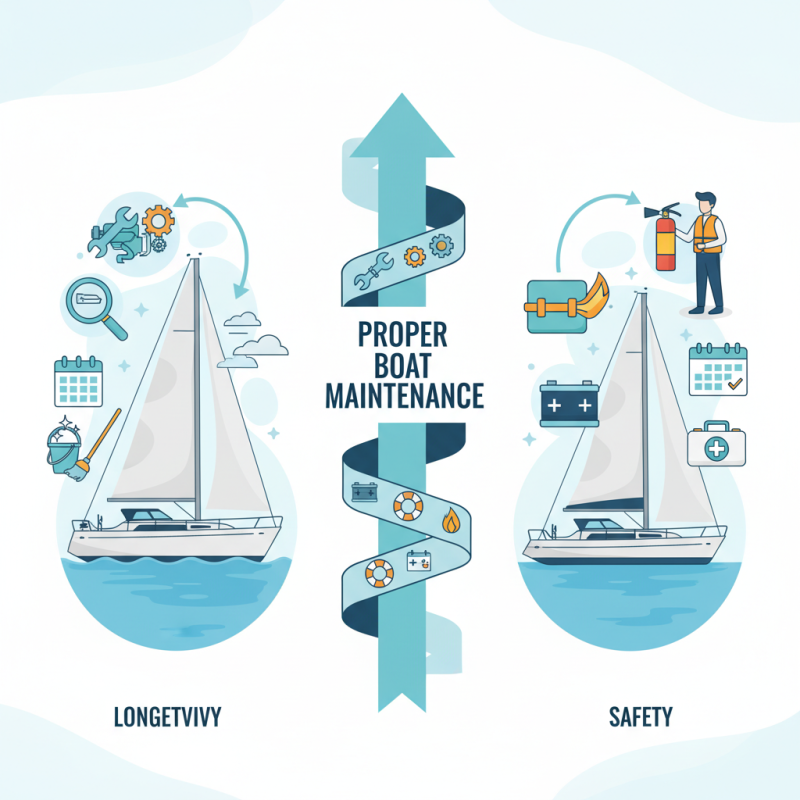
Choosing the right maintenance schedule for your boat is crucial. A recent industry report indicates that regular maintenance can extend a boat's lifespan by up to 30%. This means that boat owners who plan their maintenance effectively will enjoy their vessels longer and more safely.
Every boat has unique needs. For example, a study found that boats in saltwater may require maintenance every six months, while freshwater boats can often go a year. It’s essential to check the engine regularly and change oil based on usage. Skipping these tasks can lead to costly repairs, something that over 40% of boat owners fail to recognize until it’s too late.
Relying on generic advice doesn’t work for everyone. Some owners neglect seasonal checks, assuming everything is fine. In reality, 20% of boaters have reported issues due to inadequate maintenance. Keeping a detailed log of maintenance tasks can help track what has been done. This often brings clarity and ensures all areas are covered.
Regular cleaning is vital for a boat's longevity and
safety. Marine environments are harsh.
Saltwater, moisture, and sun can cause significant damage. According to the National Marine Manufacturers Association,
around 75% of boat damage is due to improper maintenance. Thus, understanding effective cleaning techniques
is critical.
Start with the hull. Routine washing removes dirt and salt deposits. Use freshwater and a soft brush to avoid scratches.
Regularly inspect the surface for signs of corrosion. Many boat owners overlook this, leading to expensive repairs later.
In fact, corrosion can weaken the hull's structural integrity. It's recommended to clean the hull every month, especially if
the boat is in saltwater.
Don't forget the interior. Mold and mildew can develop quickly in moist conditions. Use mild cleaners on surfaces to avoid damage.
Pay attention to hard-to-reach areas. Neglecting these spots can result in odors and health risks.
A clean boat is not just about aesthetics; it's essential for safety and comfort.
Regular maintenance not only preserves value but also creates a safer boating experience.
Regular inspection of key boat components is crucial for safety and longevity. Start with the hull. Look for signs of wear, cracks, or blisters. These can lead to leaks if ignored. A simple visual inspection can reveal issues early on. Don’t underestimate the importance of maintaining a clean hull. Barnacles and algae can hinder your boat's performance.
Next, check the engine. Regularly inspect oil levels and fuel lines. Look for signs of corrosion or leaks around the engine. Ignoring these signs can result in costly repairs later. Keep an eye on the battery too. Make sure terminals are clean and connections are tight. A dead battery can ruin your day on the water.
Consider the safety equipment as well. Fire extinguishers should be easily accessible and up to date. Life jackets must be in good condition and fit properly. Regularly check your first aid kit; supplies can expire. Each inspection is not just a task but an essential practice for safe boating. Making time for these checks can save you trouble in the long run.
Proper storage is essential for maintaining a boat's longevity and safety. Research shows that 80% of boat damage occurs while in storage. During the off-season, proper techniques can significantly reduce wear and tear. Covering your boat with a high-quality tarp prevents moisture buildup and UV damage. This simple step is often overlooked yet crucial for seasonal protection.
Another factor is location. Storing your boat indoors is ideal. A garage or storage facility minimizes exposure to harsh weather. If indoors isn’t an option, elevate the boat, using blocks to avoid contact with wet ground. Direct ground contact fosters mold growth and accelerates decay. Eleven percent of boat owners neglect this, resulting in costly repairs.
Regular inspections during storage are vital. Check for signs of pests or mold. Address these issues immediately. It’s alarming that 30% of boaters postpone inspections. This can lead to bigger problems down the line. Awareness of potential storage hazards can save owners from future regrets. Always prioritize a safe, clean, and well-maintained storage environment for the best outcomes.
Regular checks of safety equipment are crucial for boating security.
According to the U.S. Coast Guard, around 80% of boating fatalities occur on vessels without life jackets.
Ensuring you have enough life jackets for all passengers is essential. They should be suitable for each person's weight and size.
Fire extinguishers are another vital component. The National Fire Protection Association reports that over 50% of boat fires are due to electrical issues.
Regularly inspect your fire extinguishers, ensuring they are functional and accessible.
It’s also important to have a working flares kit. Outdated or expired flares can lead to dire consequences in emergencies.
Communication tools are often overlooked. A VHF radio or a reliable cell phone can be lifesaving.
However, data shows that nearly 40% of boaters do not carry a VHF radio.
Updating equipment regularly can prevent mishaps. Remember to check batteries and functionality.
Reflect on whether your current equipment reflects your boating needs.
Regular evaluations and updates can enhance safety significantly.
: A good maintenance schedule can extend your boat's lifespan by up to 30%.
Boats in saltwater need maintenance every six months to ensure they stay in good condition.
Many owners skip seasonal checks, thinking everything is fine. This can lead to unexpected issues.
Inspect the hull for cracks and the engine for oil levels and corrosion. Also, check the battery.
Keeping a detailed log of maintenance tasks helps you remember what has been done and what still needs attention.
Ensure fire extinguishers are accessible, life jackets are fit, and the first aid kit is stocked.
Maintaining a boat properly is essential for ensuring its longevity and safety. To achieve this, one should begin with a carefully planned maintenance schedule tailored to the specific needs of the boat. Regular cleaning is also crucial; using the right techniques helps prevent corrosion and damage to surfaces. Additionally, conducting frequent inspections of key components—including the engine, hull, and electrical systems—ensures that potential issues are identified and addressed early.
Proper storage methods should not be overlooked, especially during off-seasons, as they play a vital role in protecting the boat from environmental hazards. Lastly, routine checks and updates of safety equipment are critical to enhance security on the water. By adhering to these guidelines, boat owners can significantly improve their craft's performance and safety, answering the question of how to maintain a boat properly with confidence.

Green Boat