How to Properly Store Your Boat for Long Term Safety?

Time:2026-05-09 Author:Madeline
0%

When it comes to boat ownership, learning how to store a boat correctly is essential for long-term safety. Many boat owners overlook the importance of proper storage. Neglecting this can lead to costly repairs and unsafe conditions. Whether you keep your boat in a marina or your backyard, understanding the right steps is vital.

Proper storage techniques can protect your investment from harsh weather and mildew. For instance, cleaning your boat thoroughly and ensuring it is dry can prevent mold growth. Additionally, using a durable cover can shield it from UV rays. These details are often ignored but are crucial for longevity. If you fail to take these steps, you may face significant consequences.

Storing a boat isn’t just about putting it away; it requires careful planning. Many believe they can skip certain steps. This can lead to equipment failure or damage over time. Reflecting on past mistakes can help improve your storage methods. Emphasizing the need for proper materials and techniques will ultimately result in a well-preserved vessel ready for future adventures.
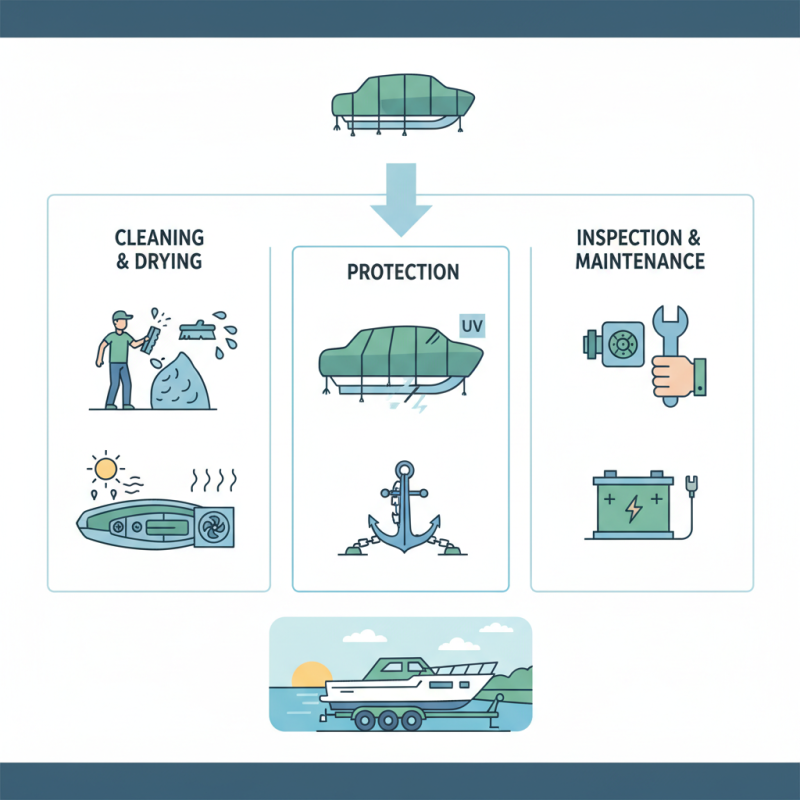
How to Properly Store Your Boat for Long Term Safety?

Choosing the Right Storage Location for Your Boat

Choosing the right storage location for your boat is critical for its long-term health. Start by evaluating climate conditions. Excessive humidity can lead to mold and mildew. In contrast, extreme heat can damage your boat's materials. If you live in a region with severe winter conditions, consider indoor storage or a high-quality cover. Protecting your boat from snow and ice buildup is essential.

Proximity is another key factor. A location near water can be convenient, but it often means higher risks from flooding or harsh weather. If you opt for a marina, ensure it has a solid reputation for maintenance and security. Alternatively, a dry storage facility provides protection from elements, but check how often the facility maintains their storage space.

Assess safety measures at the chosen location. Look for security features like surveillance cameras and gated access. An ideal facility should also have fire prevention measures in place. Be wary of locations that seem too cheap. They might lack proper security or maintenance. It’s wise to visit any potential storage sites personally. Observe their cleanliness and overall condition. Remember, a poorly maintained facility could damage your boat over time.

Preparing Your Boat for Storage: Essential Cleaning Steps

Preparing your boat for long-term storage requires thorough cleaning. A clean boat prevents damage and maintenance issues when you return. Start by removing all personal items and gear. Check every compartment and corner. Stow away any items that could cause damage or mold during storage. This includes life jackets, electronics, and other valuables.

Next, focus on the exterior. Wash the hull with a suitable cleaner. Pay attention to any stains or dirt. A good scrub reduces the risk of corrosion and growths like algae. Rinse thoroughly and dry with a soft cloth to avoid water spots. Inspect the boat for scratches or chips in the paint. Touching them up now can prevent larger problems later.

When it comes to the interior, vacuum all surfaces. Remove any trash and debris. Consider applying a protective spray to surfaces like vinyl or wood. This not only cleans but also protects against cracking and UV damage. Remember, neglecting these steps can lead to regret when you're ready to hit the water again. Consistent care now will save a lot of trouble in the future.

Boat Storage Cleaning Steps and Time Investment

Protecting Your Boat's Exterior: Covers and Waxing Techniques

Properly protecting your boat's exterior is crucial for long-term storage. A high-quality cover can shield your vessel from UV rays, rain, and debris. According to the National Marine Manufacturers Association, 70% of boat damage occurs due to environmental exposure. A well-fitted cover reduces this risk significantly, allowing you to maintain your boat's integrity.

In addition to covering, regular waxing can enhance protection. Wax creates a barrier against harmful elements. A study from the American Boat and Yacht Council suggests that boats waxed annually show 50% less wear and tear compared to those that aren’t treated. Use marine-grade wax for optimal results. Apply it properly for an even finish. Over-application or neglect can lead to patches and a dull appearance over time.

Lastly, consider the specifics of your storage location. Humidity can cause mold, while direct sunlight can fade paint. If stored outdoors, use tarp or breathable covers alongside wax. If indoors, ensure proper ventilation. Reflect on these points to enhance your boat care strategy. Regular maintenance is essential for longevity.

How to Properly Store Your Boat for Long Term Safety? - Protecting Your Boat's Exterior: Covers and Waxing Techniques

Storage Method Protection Type Recommended Products Maintenance Frequency Notes
Indoor Storage Dust and Moisture Protection Boat Covers, Dehumidifiers Every 3 Months Ideal for long-term storage, offers maximum protection.
Outdoor Storage UV and Water Protection Weatherproof Covers, UV Spray Every Month Ensure covers are secure and undamaged.
Trailer Storage Tire and Body Protection Tire Stands, Boat Wax Every 6 Months Check tire pressure regularly.
Shrink Wrapping All-Weather Protection Shrink Wrap Material Once a Year Best for seasonal storage.
Wet Storage Algae and Barnacle Prevention Anti-fouling Paint Before Launching Consider using a boat lift for added protection.

Maintaining Your Boat's Interior: Tips for Preventing Mold and Mildew

Maintaining your boat's interior is crucial for long-term safety. Mold and mildew can quickly develop in damp environments. To combat this, ensure your boat is dry before storage. Check every nook and cranny for moisture. Pay special attention to cushions, carpets, and hidden corners.

Using a dehumidifier can help reduce humidity levels. This device actively removes moisture from the air. Ventilation is also essential; keep hatches slightly open to promote airflow. Using biocide sprays on surfaces can create a barrier against mold. Don't forget to clean your boat thoroughly before storage.

Inspect your boat regularly during storage. Signs of mold can be subtle. Small patches can quickly grow larger if unnoticed. Don't wait until the smell hits you. Taking proactive measures can save you time and money in the long run. Protect your investment by prioritizing a healthy interior environment.

Regular Checks and Maintenance During Long-Term Storage

Long-term storage for your boat requires regular checks and maintenance to ensure its safety. Neglecting these tasks can lead to costly damages and repairs. Even if your boat is stored indoors or outdoors, environmental factors can cause deterioration.


Checks should include inspecting the hull for cracks. These can occur from temperature fluctuations. Pay attention to the engine, too. Ensure it's winterized properly to prevent freezing. Regularly checking these areas will prolong your boat's lifespan.


Tips: Check the battery every month. A dead battery can lead to issues when you are ready to use the boat again.


Drain any water from the bilge to prevent mold and mildew. Empty fuel tanks to avoid the build-up of vapors. Every three months, consider looking for pests or leaks. These small efforts can save you significant trouble.


Tips: Keep a checklist for each inspection. This ensures you don’t miss any crucial steps. It helps maintain consistency.

FAQS

: Why is cleaning essential before storing a boat?

: Cleaning prevents damage and maintenance issues when you return. A dirty boat can lead to mold and corrosion.

What should I remove from my boat before storage?

Remove all personal items and gear. Check every compartment to avoid damage or mold during storage.

How should I wash the boat's hull?

Use a suitable cleaner and scrub the hull. Focus on stains and dirt to reduce corrosion and growths.

How can I protect the interior of my boat?

Vacuum all surfaces and remove trash. Apply a protective spray to prevent cracking and UV damage.

Why is covering my boat important?

A good cover shields against UV rays, rain, and debris, significantly reducing damage from environmental exposure.

How often should I wax my boat?

Wax annually for the best protection. Regular waxing reduces wear and tear significantly compared to untreated boats.

What factors should I consider for storage location?

Humidity can cause mold, while sunlight can fade paint. Proper ventilation is crucial for indoor storage.

What happens if I neglect boat maintenance?

Neglect can lead to regret and higher costs when you're ready to boat again. Consistent care is necessary.

How can I ensure an even wax application?

Apply marine-grade wax properly. Avoid over-application to prevent patches and dullness over time.

What regrets might come from poor boat preparation?

Not cleaning or protecting can lead to extensive repairs later. Reflect on your boat care practices continuously.

Conclusion

When considering how to store a boat correctly for long-term safety, choosing the right storage location is essential. Look for a dry, secure area that minimizes exposure to elements like moisture and sunlight. Preparing your boat for storage involves thorough cleaning, from washing the hull to ensuring the engine is properly maintained. It’s also crucial to protect the exterior with suitable covers and waxing techniques to guard against damage from UV rays and environmental factors.

Maintaining the boat's interior is equally important; consider implementing tips to prevent mold and mildew, such as using moisture absorbers and ensuring proper ventilation. Regular checks and maintenance during the storage period can help catch any issues early, ensuring your boat remains in good condition and is ready for use when the season starts again. By adhering to these guidelines, you can ensure safe and effective long-term storage for your boat.

Madeline

Madeline

Madeline is a dedicated marketing professional with a wealth of expertise in our company's core offerings. With a keen understanding of the industry, she brings a unique perspective to her role, consistently delivering high-quality content that highlights the superior aspects of our products. As......