Why Is Regular Boat Inspection Essential for Safe Navigation?

Time:2026-06-07 Author:Charlotte
0%

Regular boat inspection is essential for safe navigation. The National Marine Manufacturers Association (NMMA) reports that over 70% of boating accidents are due to mechanical failure. This highlights the critical importance of ensuring boats are properly maintained and inspected. According to maritime safety expert, Captain Tom Harrison, "A well-inspected boat is the first step towards a safe journey on water."

Ignoring regular inspections can lead to severe consequences. For instance, a worn-out engine could fail during a critical moment, jeopardizing lives on board. In addition, many boat owners lack awareness about the necessary checks. Understanding "Why is regular boat inspection necessary" can empower boaters to prioritize safety.

Investing in regular inspections not only enhances safety but also prolongs the life of a boat. Regular checks can uncover hidden issues before they escalate. However, some boaters may overlook this essential step. They might think their vessel is fine until an emergency arises. This negligence can lead to tragic accidents that could have been prevented.
Why Is Regular Boat Inspection Essential for Safe Navigation?

Importance of Regular Boat Inspection for Maritime Safety

Regular boat inspection is vital for ensuring maritime safety. Boats are exposed to various elements. Over time, wear and tear can lead to significant issues. Regular checking of hulls, engines, and safety equipment helps identify these problems early. An overlooked crack can result in leaks, potentially endangering lives. Experienced sailors know that maintaining a vessel is as important as sailing it.

Inspections shouldn't be rushed. A thorough examination takes time and requires attention to detail. Every bolt and fitting must be examined. A small issue could escalate to a major failure if neglected. Checklists can help in ensuring nothing is missed, but relying solely on it might be risky. Some may overlook outdated safety gear.

Safe navigation heavily depends on the vessel’s condition. Knowing the boat’s history is crucial. Documentation, repairs, and maintenance records should be organized. An informed owner can make sound decisions. However, even seasoned boaters can find gaps in their inspection routines. Learning from previous oversights helps improve future checks and enhances safety for everyone on board.

Common Issues Identified in Routine Boat Inspections

Routine boat inspections are vital for safety on the water. During these inspections, common issues often arise. One frequently identified problem is hull damage. Cracks or blisters can compromise the integrity of a boat. A compromised hull may lead to leaks or flooding. It's crucial to inspect this area regularly to avoid dangerous situations.

Another issue commonly found is the condition of safety equipment. Life jackets, flares, and fire extinguishers must meet safety standards. Often, boaters overlook expiration dates. A missing or expired item can result in dire consequences during emergencies. Regular checks ensure that all safety gear is functional and ready for use.

Electrical systems also deserve attention. Corroded wires can lead to power failures or even fires. Checking connections and battery conditions is essential. It's surprising how many simple checks can lead to significant issues. Ignoring these elements can put lives at risk. Ensuring every component works smoothly nurtures a safer boating experience.

Statistical Impact of Inspections on Accident Prevention Rates

Regular boat inspections play a crucial role in ensuring safe navigation. According to the U.S. Coast Guard, boats that undergo routine checks are 30% less likely to be involved in accidents. This statistic emphasizes the impact inspections have in preventing mishaps on the water. Each inspection identifies potential hazards, such as engine issues or equipment failures that could lead to dangerous situations.

Moreover, data from the National Association of State Boating Law Administrators indicates that states with mandatory inspection programs report significantly lower accident rates. For instance, states like Washington and Michigan have seen a 25% reduction in boating accidents after implementing stringent inspection protocols. These inspections help maintain vessel integrity, which is vital for both performance and safety.

However, despite the known benefits, many boat owners still ignore the importance of regular inspections. Some may underestimate the risks involved, assuming their vessels are safe without a formal check. This oversight can have serious consequences, not just for the boat owners but also for passengers and other boaters. The anecdotes of near-misses and accidents serve as reminders that a lack of diligence can lead to tragic outcomes.

Best Practices for Conducting Thorough Boat Inspections

Regular boat inspections are crucial for safe navigation. A thorough check ensures the vessel is in good condition. Ignoring maintenance can lead to accidents or breakdowns. Safety equipment needs regular evaluation. Check life jackets, fire extinguishers, and flares for functionality. Equipment should be easily accessible and in working order.

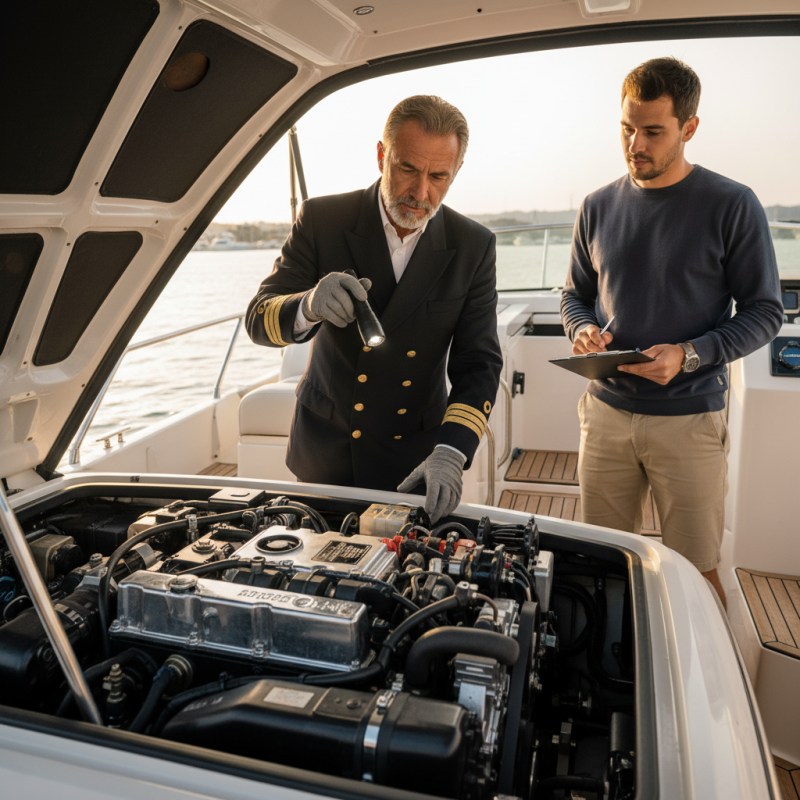
Inspect the hull for cracks or damages. Look for signs of wear, especially around fixtures. Ensure all lights, signals, and navigation equipment are operational. The engine must also undergo regular checks. Frequent oil changes and coolant levels matter. Water leaks in the engine compartment should not be overlooked. Even small leaks can signal bigger issues.

Documentation should be organized and up to date. Log maintenance actions and inspection dates. This practice enhances reliability and accountability. It also helps in tracking recurring issues. Regular inspections reflect a captain's commitment to safety. A proactive approach fosters a culture of responsible boating. Ultimately, diligence in inspections can save lives.

Why Is Regular Boat Inspection Essential for Safe Navigation? - Best Practices for Conducting Thorough Boat Inspections

Inspection Area Best Practice Frequency Notes
Hull Check for cracks and blisters Monthly Ensure no signs of water intrusion
Engine Inspect for leaks and corrosion Every use Check oil and fuel levels
Safety Equipment Verify all gear is present and functional Every trip Include life jackets, fire extinguishers
Electronics Test all navigation and communication devices Before every voyage Ensure GPS and radios are functional
Bilge Check for excess water and proper pump operation Monthly Clean and maintain bilge pump

Regulatory Standards Governing Boat Inspections and Compliance

Boat inspections are crucial for ensuring safety on the water. Regulatory standards guide these inspections, helping to maintain vessel integrity. Compliance with these standards is not optional but a necessity to protect both lives and the environment.

Regular inspections prevent accidents caused by mechanical failures. Inspectors check essential components like the hull, engine, and navigation systems. They also ensure that safety equipment, such as life jackets and flares, is in working order. These steps help reduce risks that can lead to tragic incidents.

Tips: Aim to conduct your inspections well before a planned voyage. This gives you time to address any potential issues. Keep a maintenance log for records. Always stay updated on local regulations. Being proactive can prevent unpleasant surprises during your time on the water.

FAQS

: Why are regular boat inspections important for safety?

: Regular inspections ensure the boat remains safe, preventing issues that can put lives at risk.

How can neglecting small issues escalate into major problems?

A small crack or leak can worsen over time, leading to serious damage or accidents.

What should be included in a thorough boat inspection?

Inspect the hull, engine, and all safety equipment carefully. Every detail counts.

How often should boat safety equipment be checked?

Safety gear like life jackets and fire extinguishers should be checked regularly for functionality.

What are the consequences of skipping inspections?

Skipping inspections can lead to accidents, breakdowns, or even tragic outcomes for boaters.

How do routine inspections affect accident rates?

Boats with regular inspections are 30% less likely to be involved in accidents, according to data.

Why is documented maintenance essential?

Keeping records helps track issues over time and shows accountability for the vessel's condition.

Can experienced sailors make mistakes in inspections?

Yes, even seasoned boaters may overlook important checks, highlighting the need for thoroughness.

What should be done if an issue is found during inspection?

Address any identified problems promptly to maintain safety and prevent escalation.

How can boat owners improve their inspection practices?

Learning from past oversights and regularly reviewing inspection checklists can enhance future safety.

Conclusion

Regular boat inspection is essential for ensuring maritime safety and preventing accidents on the water. The importance of regular boat inspections lies in their ability to identify common issues such as mechanical failures, safety equipment deficiencies, and structural damage. Statistics show that vessels subjected to routine inspections have significantly lower accident rates, highlighting the critical role of these assessments in enhancing safety for both operators and passengers.

In addition to improving safety, understanding regulatory standards governing boat inspections is vital for compliance and responsible operation. Adopting best practices for thorough inspections, such as systematic checklists and professional assessments, further ensures that boats are in prime condition. Ultimately, answering the question, "Why is regular boat inspection necessary," involves recognizing its impact on accident prevention and the overall safety of maritime navigation.

Charlotte

Charlotte

Charlotte is a seasoned marketing professional with a deep understanding of the company's portfolio and a passion for elevating its presence in the market. With a keen eye for detail and a commitment to excellence, she ensures that our professional blog is regularly updated with insightful articles......