How to Prepare for a Safe Boat Trip Tips and Checklist?

Time:2026-05-16 Author:Ethan
0%

Preparing for a safe boat trip is essential for enjoyable experiences on the water. According to Captain Mark McCoy, a seasoned marine safety expert, "Safety should be your top priority before setting sail." His perspective emphasizes that thorough preparation can prevent accidents and ensure a memorable adventure.

When planning a boat trip, it is vital to consider safety equipment, weather conditions, and personal skills. Check your life jackets and emergency supplies. Make sure everyone onboard knows how to swim and operates the vessel safely. It is important to avoid overpacking, as this can affect the boat's stability and safety.

Even with meticulous planning, things can go wrong. No one anticipates engine failure or sudden storms. Reflecting on past trips, assessing risks remains crucial. This way, you can take proactive steps to create a safer environment on your boat. Remember, how to prepare for a safe boat trip involves continuous learning and adaptation to ensure that you can enjoy the open waters without unnecessary worries.
How to Prepare for a Safe Boat Trip Tips and Checklist?

Essential Safety Equipment for Your Boat Trip

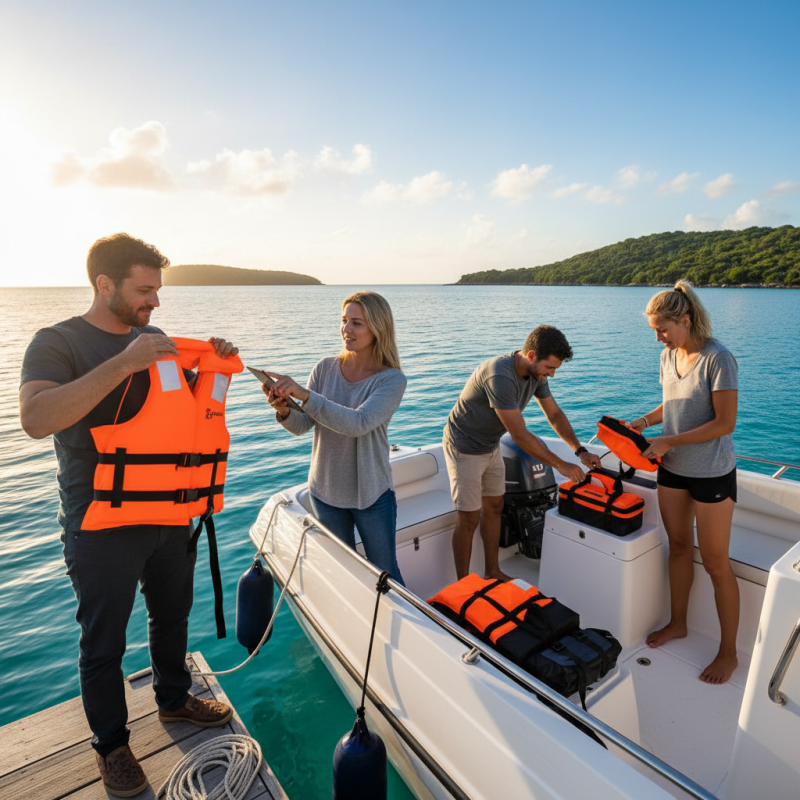
When planning a safe boat trip, having the right safety equipment is crucial. Essential items include life jackets, flares, and a first aid kit. Make sure each person onboard has a properly fitted life jacket. They come in different sizes and types, ensuring comfort and safety. Regularly check that your flares are within expiry dates, ready for emergencies. A well-stocked first aid kit can make a significant difference in an emergency.

Consider investing in a reliable marine radio. This allows for quick communication if an emergency arises. Keep extra batteries on hand. Your boat should also have a fire extinguisher easily accessible. Store it in a dry, visible place. Practice using your safety gear before leaving the dock. Familiarity can save lives.

As you prepare, don’t forget to check weather conditions. Changes can occur rapidly. Sometimes, the journey may need to be postponed. Stay aware of local boating regulations. Failure to comply can lead to fines or dangerous situations. Taking these steps helps ensure a safer experience on the water.

Checking Weather Conditions Before Heading Out

Before embarking on a boat trip, checking weather conditions is crucial. Unpredictable weather can transform a pleasant journey into a risky situation. According to the National Oceanic and Atmospheric Administration (NOAA), over 80% of boating accidents stem from adverse weather conditions. Thus, staying informed helps ensure safety.

Weather apps can provide real-time updates, but they’re not foolproof. It’s essential to understand marine weather reports. Pay attention to wind speeds, wave heights, and visibility. Wind speeds exceeding 20 knots can pose dangers for smaller boats. For instance, a study from the Coast Guard shows that waves over 3 feet increase the risk of capsizing.

Moreover, local conditions can vary. Areas near shore may show fair weather while offshore proves treacherous. A boat operator should monitor weather changes continuously. Remember, decisions based solely on predictions can lead to mistakes. Ensure you have a reliable method to track changes and remain adaptable to unexpected shifts.

How to Prepare for a Safe Boat Trip Tips and Checklist? - Checking Weather Conditions Before Heading Out

Weather Condition Description Recommended Action
Sunny Clear skies, warm temperatures Hydrate frequently, wear sunscreen
Cloudy Overcast skies, cooler temperatures Dress in layers, be prepared for rain
Rain Precipitation, reduced visibility Check equipment, plan a short trip
Windy Strong winds, choppy water Consider staying at shore, adjust speed
Stormy Severe weather, thunderstorms Postpone trip, seek shelter
Fog Low visibility conditions Use navigation tools, proceed with caution

Creating a Comprehensive Pre-Trip Checklist

Creating a checklist for a boat trip can enhance safety and enjoyment. Begin with essential safety gear. Life jackets are vital. Ensure that everyone on board has one that fits properly. A whistle can signal for help if needed. Fire extinguishers should be fully functional and easy to reach.

Next, prepare navigation tools. A map or GPS device is crucial. Review local waters and conditions ahead of time. Don’t forget to check the weather too. Severe storms can develop rapidly. Ensure you have a means of communication. A fully charged mobile device or radio can be a lifesaver.

Lastly, consider your provisions. Bring enough food and water for all passengers. Snacks, like granola bars, are great. Avoid over-packing to keep storage manageable. Always remember to check your fuel levels. Depleting fuel halfway through a trip can lead to unnecessary stress. Reflect on your past trips to refine your checklist continually. Each experience can help you prepare better for future adventures.

Boat Safety Preparation Checklist

This chart illustrates the preparation status for a safe boat trip, with essential items such as life jackets, a first aid kit, and emergency tools. Ensure that each item is accounted for before departure to increase safety on the water.

Navigational Tips for Safe Boating

When planning a boat trip, navigation is critical for safety. Over 75% of boating accidents are attributed to human error, often due to navigational mistakes. Proper planning can mitigate these risks. Use your map and GPS wisely. Familiarize yourself with local water conditions. Understand the layout of the waterways and potential hazards.


Weather can change quickly on the water. According to the National Oceanic and Atmospheric Administration (NOAA), nearly 50% of boating accidents occur in severe weather conditions. Check forecasts and be ready to make adjustments. Always have a contingency plan. If conditions worsen, knowing your exit points can save lives.


Lastly, understanding common navigational rules is essential. The U.S. Coast Guard reports that improper lookout causes many collisions. Maintain a vigilant watch, especially in busy areas. Use sound signals to communicate with other vessels. This reflects a commitment to safety. These small steps can significantly enhance your boating experience, but no plan is foolproof. Continuous learning and reflection on past experiences will prepare you for a safer journey ahead.

What to Do in Case of Emergencies at Sea

When heading out to sea, being prepared for emergencies is crucial. The unpredictability of the water can be daunting, but knowing what to do can make all the difference. First, ensure you have a reliable means of communication, like a VHF radio or a satellite phone. This will allow you to call for help in case of distress.


Pack an emergency kit that includes flares, a whistle, and a first-aid kit. These items can be lifesavers if the unexpected occurs. Regularly check the condition of your life jackets and ensure everyone on board knows how to put them on properly. It's not enough to just have them; familiarity could save lives in urgent situations.


Learn basic navigation and sailing skills. Understanding how to read the weather and recognize dangerous conditions can help you avoid trouble. If an emergency arises, stay calm. Assess the situation clearly and make informed decisions. Rely on your training and equipment to guide your actions. In every boat trip, being prepared and staying alert can transform a potential disaster into a manageable challenge.

FAQS

: Why is safety equipment important for a boat trip?

: Safety equipment is crucial to ensure the safety and well-being of all passengers.

What basic safety items should be on board?

Essential items include life jackets, flares, a first aid kit, and a fire extinguisher.

How can I check if my life jackets are suitable?

Ensure each life jacket fits properly and is comfortable for every person onboard.

Why should I review weather conditions before departure?

Weather changes rapidly; knowing conditions can help decide whether to postpone or proceed safely.

What should I do in case of an emergency at sea?

Use a reliable communication device to call for help, and follow your emergency plan calmly.

How can practicing with safety gear be beneficial?

Familiarity with safety equipment can improve response time and confidence in emergencies.

How do I ensure my fire extinguisher is ready for use?

Keep it in an easily accessible place and regularly check its functionality.

What navigation tools should I take with me?

A map or GPS device is vital for successful navigation on the water.

What are the risks of not checking fuel levels?

Running out of fuel can lead to stressful situations and potential emergencies at sea.

How can I refine my boat trip checklist?

Reflect on past trips and experiences to enhance and tailor your checklist over time.

Conclusion

When considering "how to prepare for a safe boat trip," it's essential to focus on several key aspects. Firstly, having the right safety equipment on board, such as life jackets, flares, and a first aid kit, is crucial for handling emergencies. Before setting sail, always check the weather conditions to avoid dangerous situations. Creating a comprehensive pre-trip checklist can ensure you have all necessary gear and supplies, minimizing risks and enhancing enjoyment.

Additionally, understanding navigational tips will help maintain a safe course while on the water. In case of emergencies at sea, knowing the proper protocols can make all the difference. By following these guidelines, you'll be well-equipped for a safe and enjoyable boating experience.

Ethan

Ethan

Ethan is a seasoned marketing professional with a deep expertise in our company's innovative product line. With a passion for sharing knowledge and insights, he takes the lead in regularly updating our corporate blog, where he explores industry trends, product features, and effective marketing......