Maintaining a boat can feel like watching money disappear through a small leak. Replacement filters, pumps, hoses, coatings, and electrical parts often cost more than expected. For owners buying supplies from China, the challenge is not simply finding the lowest price. The real question is: How to save money on boat maintenance without creating expensive problems later?
This guide explores practical ways to reduce maintenance costs through careful sourcing, supplier checks, and realistic planning. Chinese manufacturers offer many marine products, including anodes, bilge pumps, stainless-steel fittings, sealants, and engine service components. However, product quality can vary between factories. A polished catalog proves very little. Requesting material specifications, test reports, clear photographs, and sample units can reveal important differences. Small details matter, such as thread accuracy, corrosion resistance, packaging, and connector quality.
Buyers should compare the complete cost, not only the factory quotation. Shipping, customs charges, storage, spare parts, and installation may change the final figure. A cheap impeller is not a bargain if its rubber hardens after one season. A low-cost battery charger may also create trouble if its voltage output is inconsistent. I have seen maintenance plans fail because owners ordered the wrong dimensions or ignored local technician advice. That mistake is easy to repeat.
Reliable savings come from combining suitable products with regular inspections. Keep records of part numbers, replacement dates, and supplier communication. Ask qualified marine professionals to review safety-critical components. Test each item before a long voyage. Saving money matters, but protecting the vessel and its passengers matters more.
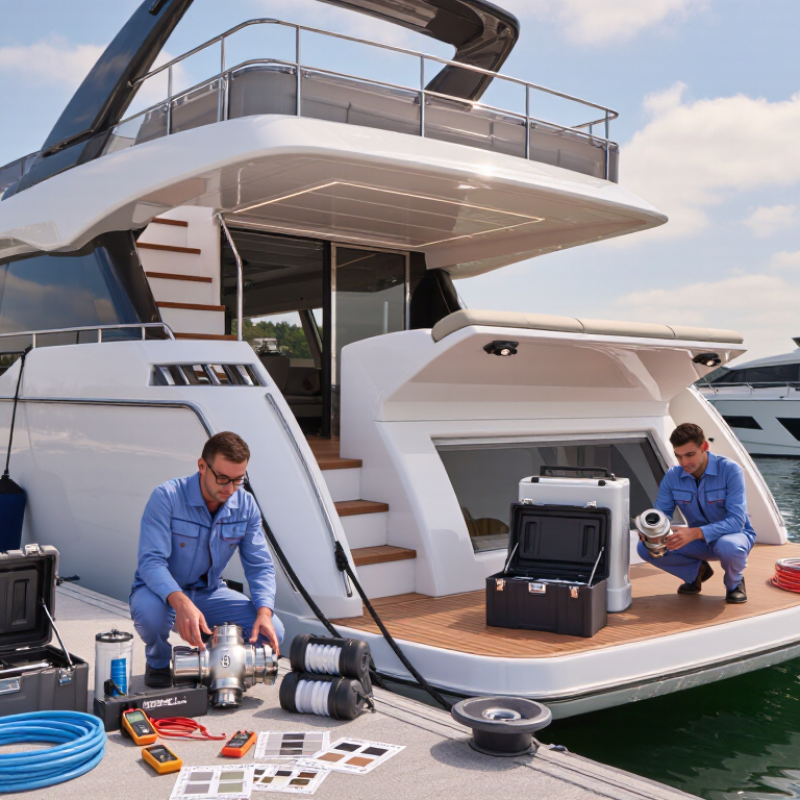
Boat maintenance in China has four main costs: labor, parts, marina services, and storage. Engine servicing often comes first. Oil, filters, belts, impellers, and diagnostic work can quickly increase the invoice. Hull cleaning and antifouling add seasonal expenses, especially for boats kept in warm, busy waters. Batteries, pumps, safety equipment, and electrical repairs are smaller items, but they often arrive unexpectedly.
BoatUS ownership guidance suggests reserving about 10% of a boat’s value each year for maintenance. This is a useful planning figure, not a fixed Chinese price. Local labor rates, imported parts, exchange rates, and marina policies can change the result. The 2023 ICOMIA Global Recreational Boating Industry Statistics also show strong boating activity across the Asia-Pacific region, supporting wider access to regional service networks. Still, China’s port conditions vary greatly. Coastal cities may offer better technicians, while smaller marinas can have limited parts availability. My costly mistake was delaying a small seawater leak. It became a pump replacement.
Tips: Request three written quotations before work begins. Separate labor from parts. Ask whether parts are original, compatible, or refurbished. Keep a maintenance log with dates, engine hours, and photographs. Buy common filters and anodes before peak season, but avoid storing sensitive electrical parts for too long. NMMA’s 2023 Statistical Abstract recorded 11.6 million registered recreational boats in the United States, showing how routine maintenance scales across a large ownership market. China is different, but the lesson remains practical: prevention usually costs less than emergency repair.
| Maintenance Category | Typical Service or Replacement | Recommended Frequency | Estimated Cost in China (RMB) | Main Cost Drivers | Practical Ways to Reduce Costs |
|---|---|---|---|---|---|
| Engine Servicing | Engine oil, oil filter, fuel filter, inspection and labor | Every 100–200 operating hours or annually | ¥800–¥3,500 | Engine size, diesel or petrol system, oil grade and technician rates | Use the correct locally available lubricants, service before peak season and compare labor quotations. |
| Cooling System | Impeller inspection or replacement, coolant check and heat-exchanger cleaning | Impeller: annually; coolant: every 2–3 years | ¥300–¥2,000 | Engine model, access to components and degree of corrosion or blockage | Flush the system with fresh water after use and replace wear parts before failure causes engine damage. |
| Outdrive or Propulsion System | Gear-oil change, seal inspection, shaft or propeller inspection | Annually or according to operating hours | ¥600–¥4,000 | Propulsion type, underwater damage, seal condition and haul-out requirements | Inspect the propeller regularly, repair small fishing-line damage early and purchase compatible parts in advance. |
| Antifouling and Bottom Care | Hull cleaning, surface preparation and antifouling paint application | Every 12–24 months, depending on water conditions | ¥3,000–¥15,000 | Boat length, paint system, hull condition, labor and marina location | Remove marine growth regularly and schedule work during the low season to reduce haul-out and labor charges. |
| Hull and Fiberglass Repairs | Minor gelcoat repair, fiberglass patching or crack repair | As required; inspect at least annually | ¥500–¥10,000+ | Damage size, structural involvement, finish requirements and access to the damaged area | Repair minor cracks promptly, document damage with photos and request a written scope before work begins. |
| Electrical System | Battery testing, terminal cleaning, wiring inspection and fuse replacement | Inspect every 3–6 months; batteries commonly last 3–5 years | ¥200–¥6,000 | Battery capacity, number of circuits, corrosion and charger or inverter condition | Keep terminals clean and dry, use a suitable maintenance charger and replace damaged cables before faults spread. |
| Battery Replacement | Starting battery or deep-cycle service battery replacement | Usually every 3–5 years, depending on use and charging | ¥800–¥8,000 | Battery chemistry, capacity, installation location and required starting current | Choose capacity based on actual load requirements and avoid deep discharge of batteries not designed for it. |
| Bilge Pumps and Plumbing | Pump testing, hose inspection, float-switch replacement and leak repair | Test monthly; replace worn parts as needed | ¥300–¥3,000 | Pump capacity, hose routing, access and electrical condition | Clean strainers, keep bilges free of debris and replace cracked hoses before they cause water ingress. |
| Safety Equipment | Life jackets, fire extinguishers, flares, first-aid items and emergency signaling equipment | Check before every trip; replace items by expiry date | ¥500–¥5,000 | Number of passengers, local regulations and expiry periods | Maintain an inventory, buy standard-size replacement items and avoid storing safety equipment in damp locations. |
| Rigging and Sails | Rope replacement, standing-rigging inspection, sail repair and winch servicing | Inspect annually; service after heavy weather | ¥500–¥12,000+ | Boat size, rigging material, sail area, corrosion and labor access | Rinse salt from rigging, protect sails from prolonged sunlight and repair small tears before they expand. |
| Air-Conditioning and Refrigeration | Filter cleaning, seawater strainer cleaning, pump inspection and refrigerant diagnosis | Clean filters monthly during frequent use; service annually | ¥300–¥4,000 | System capacity, seawater flow, refrigerant leaks and cabin access | Clean filters and strainers frequently and maintain proper seawater flow to prevent compressor overload. |
| Routine Cleaning and Corrosion Protection | Fresh-water washdown, stainless-steel care, teak cleaning and corrosion treatment | After use; detailed treatment every 3–6 months | ¥200–¥2,000 per service | Boat size, cleaning frequency, surface materials and labor involvement | Rinse the boat after salt-water use, use appropriate marine cleaners and handle simple cleaning tasks in-house. |
| Storage, Haul-Out and Yard Fees | Dry storage, lifting, pressure washing and hard-stand support | As required; usually annually for bottom maintenance | ¥2,000–¥30,000+ per year | Boat length, storage location, marina demand and duration of storage | Compare nearby yards, negotiate annual storage, and combine haul-out work into one scheduled visit. |
| Typical Annual Maintenance Budget | Routine servicing, cleaning, inspections and normal wear-part replacement | Budget annually; review after each season | Approximately 2%–5% of boat value per year | Boat age, size, usage, climate, storage method and maintenance history | Create a preventive-maintenance calendar, keep service records and reserve an emergency fund for unexpected repairs. |
The main costs include labor, parts, marina services, and storage. Engine servicing often costs the most. Oil, filters, belts, impellers, and diagnostics can quickly raise the bill. Hull cleaning and antifouling create seasonal expenses. Batteries, pumps, safety equipment, and electrical repairs may appear unexpectedly.
A practical planning figure is about 10% of the boat’s value each year. This is not a fixed local price. Labor rates, imported parts, exchange rates, and marina policies can change the total. Older boats may need more. A small emergency fund helps.
Rinse salt from the hull, deck hardware, and cooling-water areas after every trip. Check bilge water, battery terminals, belts, hoses, and fasteners. Inspect for leaks early. Salt hides trouble. I once delayed a small seawater leak. It eventually required a pump replacement.
Record dates, engine hours, photographs, and completed repairs. Inspect steering, fuel lines, electrical connections, and safety equipment monthly. Every three months, check the propeller, shaft area, anodes, and trailer bearings. Test navigation lights before leaving the dock. A checklist helps, but observation still matters.
Local suppliers may offer filters, hoses, sealants, fasteners, and electrical parts at lower prices. Confirm measurements, materials, thread types, and operating temperatures. Ask for clear specifications. Inspect every shipment before installation. A cheaper component is not a saving if it fails offshore.
Request three written quotations before work begins. Ask each provider to separate labor, parts, testing, and extra charges. Confirm whether parts are original, compatible, or refurbished. Compare warranties and delivery times. The cheapest offer is not always suitable.
Hire a qualified technician for engine faults, electrical problems, steering issues, and structural damage. Professional work costs more, but accurate diagnosis can prevent repeated repairs. For simple tasks, local technicians may handle oil changes or cleaning. Do not replace safety-critical repairs with guesswork.
Keep invoices, installation records, and photographs. Ask to see recent work examples before hiring a technician. Confirm the sealant, hose, or fitting suits the application. I once accepted a low-cost repair with unsuitable sealant. The leak returned during heavy rain. That was careless.
Learning how to save money on boat maintenance in China starts with understanding the main expenses, including engine servicing, hull cleaning, electrical repairs, replacement parts, storage, and labor. Boat owners can control costs by choosing durable, reasonably priced materials and buying compatible parts and maintenance tools from reliable local suppliers. Comparing product quality, warranty terms, delivery fees, and service prices can help avoid unnecessary spending while maintaining safety and performance.
A preventive maintenance schedule is another effective way to reduce long-term expenses. Regularly checking the engine, battery, cooling system, propeller, hull, and onboard equipment can identify small problems before they become costly repairs. Boat owners should also compare local repair professionals, request clear quotations, and confirm the work scope in advance. Proper cleaning, timely lubrication, correct storage, and careful operation will extend the service life of the boat and reduce wear. With organized planning and consistent care, maintenance can become more predictable and affordable.

 Green Boat