Boat ownership can bring immense joy, but maintaining a vessel can be costly. Understanding how to save money on boat maintenance is crucial for any boat owner. This article will provide practical tips that not only reduce expenses but also extend the life of your boat.
Regular maintenance may seem tedious, but it pays off. Addressing minor issues promptly prevents costly repairs later. Many boat owners overlook seasonal check-ups, which could lead to bigger problems. This oversight can strain both your budget and your boating experience.
Investing in basic tools and learning simple repair techniques can be empowering. It allows you to tackle small tasks confidently. However, amateur repairs done without proper guidance can lead to mistakes. It’s essential to know your limitations and seek professional help when needed. By combining knowledge with hands-on experience, you can create a balanced approach to boat maintenance that enhances both enjoyment and savings.
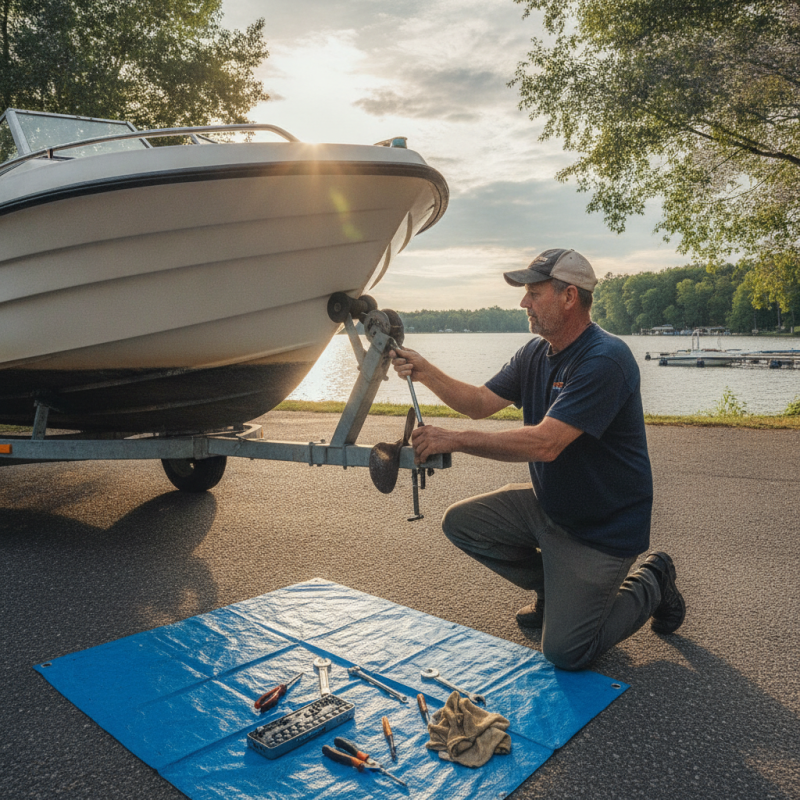
Reducing boat maintenance costs can be beneficial for any owner. Boat ownership is a significant investment, with maintenance expenses accounting for up to 10% of the boat's overall value annually. Effective strategies can help save money, while also ensuring your vessel remains seaworthy.
Regular inspections are essential. Assess your boat's condition periodically. Neglecting minor issues can lead to major repairs later. Data from the National Marine Manufacturers Association indicates that preventative maintenance can save up to 30% in repair costs. Schedule routine checks to catch problems early.
Utilizing seasonal storage wisely can also cut expenses. Studies show that boats stored properly during off-seasons can maintain value better and need less upkeep. Consider indoor storage options to protect from the elements. This will minimize damage, leading to lower maintenance costs. Investing in covers and shrink wraps can shield your boat year-round, reducing long-term costs.
Boat maintenance can be costly for owners. Understanding common maintenance expenses is crucial. Regular upkeep includes engine inspections, hull cleaning, and safety gear checks. These tasks are necessary but can strain your budget if not planned well.
Many boat owners overlook small repairs, which can lead to larger issues. A tiny leak might seem manageable, but if ignored, it could cause serious damage. Staying on top of these minor problems prevents costly overhauls later. Additionally, seasonal preparations, like winterizing, can catch owners off guard. Costs can add up quickly, especially if you hire professionals.
Managing maintenance effectively involves a proactive approach. Keep a detailed record of all expenses and repairs. This helps you anticipate future costs. Regular checklists can guide you through required tasks and ensure nothing gets overlooked. Taking personal responsibility for maintenance can be rewarding and save money. Always evaluate your methods and learn from past experiences for better outcomes.
Proper boat maintenance is essential for longevity and performance. DIY maintenance is a great way to save money while ensuring your vessel stays in top shape. Start with routine cleaning. Use biodegradable soap for the hull and deck. This simple step helps prevent salt and dirt buildup. Regular washing can save future repairs.
Inspecting the engine is another key aspect. Check the oil levels and replace filters as needed. These actions can prevent costly breakdowns. Maintaining electrical systems, like battery connections, is critical too. Clean contacts help improve performance and extend battery life.
Don’t forget about the interior. Upholstery needs attention. Vacuuming and treating with fabric cleaner can keep it looking new. Take care of the woodwork too. A simple polish can restore shine and protect surfaces. It’s not all about perfection; even small actions add up to big savings. If something looks off, it’s worth a second look. Boat care may take time, but the right approach can yield significant results.
| Tip | Cost-Saving Potential | Frequency | DIY Difficulty |
|---|---|---|---|
| Regular Hull Cleaning | $200 - $500 Annually | Monthly | Easy |
| Oil Change | $100 - $200 per Season | Every 50 hours | Moderate |
| Check & Replace Anodes | $50 - $150 Annually | Annually | Easy |
| Inspect Fuel System | $200 - $300 per Occasion | Annually | Moderate |
| Cleaning and Maintaining Winches | $100 - $200 Annually | Bi-Annually | Moderate |
When it comes to maintaining your boat, choosing the right products can make a significant difference. High-quality cleaning agents and protective coatings can save you time and money in the long run. Consider investing in biodegradable cleaners. They are effective and less harmful to the environment. Many boat owners overlook the importance of these products. However, using the right cleaner helps prevent corrosion. This attention to detail is essential for keeping your vessel in top shape.
Regular maintenance is not just about using the right products. It also involves knowing when to apply them. For instance, antifouling paints should be reapplied yearly, depending on your local conditions. Neglecting this can lead to costly repairs down the line. Always read product labels carefully. Some products may not work well with specific boat materials. It's a common mistake that can lead to lasting damage. A little research can save you from potential headaches.
Consider attending boating workshops or online seminars. They often provide insights into the latest maintenance techniques. Learning from experts helps you select appropriate products. You’ll gain valuable experience from those who have faced similar challenges. Being proactive about your boat's upkeep will ultimately lead to significant savings. Engaging with the boating community can enhance your knowledge. This can be more rewarding than solely relying on popular brands.
Regular maintenance for your boat is essential. It saves you money over time by preventing costly repairs. A well-maintained boat runs smoothly. It also keeps you safer on the water. Scheduling routine checks is key.
Pay attention to engine health. Check oil levels, replace filters, and inspect all belts. These tasks don’t require much time. Yet, they can prevent serious issues. Remember, neglecting small problems can lead to big expenses. It's easy to overlook details, but they matter greatly.
Don't forget the hull and the interior. Look for signs of wear and tear. Clean the boat regularly to avoid damage from salt and grime. A clean boat lasts longer and costs less to fix. Many boat owners underestimate this part of maintenance. Stay proactive rather than reactive; it’s a smart strategy.
: Regular upkeep includes engine inspections, hull cleaning, and safety gear checks. These tasks can strain your budget.
Overlooking minor issues can lead to larger problems. A tiny leak might cause serious damage if ignored.
Seasonal preparations, like winterizing, can be costly. Hiring professionals may increase expenses quickly.
Keep a detailed record of all expenses and repairs. This helps anticipate future costs and needed tasks.
DIY maintenance, like routine cleaning and engine inspections, can save significant money in repairs.
Using high-quality, biodegradable cleaning agents can prevent corrosion and is less harmful to the environment.
Neglecting timely applications, like antifouling paints, can lead to costly repairs down the line.
Attending workshops provides insights into maintenance techniques and helps select suitable products effectively.
If you notice any issues, even small ones, it's worth a second look. Small actions can lead to big savings.
Engaging with others enhances your knowledge and experience, proving more rewarding than relying solely on brands.
In "Save Money on Boat Maintenance with These Essential Tips," the article explores practical strategies for boat owners to reduce their maintenance costs effectively. It begins by outlining common expenses associated with boat upkeep, highlighting the importance of understanding these costs to better manage your budget. The article then delves into DIY maintenance, offering cost-effective solutions that empower boat owners to handle minor repairs and upkeep independently.
Additionally, the piece emphasizes the significance of choosing the right products and tools to ensure longevity and efficiency in boat care. Finally, it encourages scheduling regular maintenance, which can prevent more significant, costly repairs down the line. By implementing these tips, boat owners can learn how to save money on boat maintenance while ensuring their vessels remain in excellent condition for years to come.

Green Boat