When embarking on projects that require durable and resilient materials, choosing the right Fiberglass Resin is crucial. Expert Jonathan Clarke, a leading figure in the fiberglass industry, emphasizes, "The right resin can make or break your project." This highlights the significance of understanding the various options available.
Fiberglass Resins come in different formulations, each serving specific needs. Epoxy, polyester, and vinyl ester resins have unique attributes. Epoxy resins offer superior bonding and water resistance. Polyester resins are cheaper and easier to use but may lack some durability. Knowing these distinctions can enhance your project's success.
Selecting Fiberglass Resin involves evaluating project requirements, budget, and environmental conditions. Readers should recognize that not all resins are appropriate for every task. Reflecting on past projects may reveal mistakes made in material choices. In the end, careful consideration and informed choices pave the way for effective and lasting results.
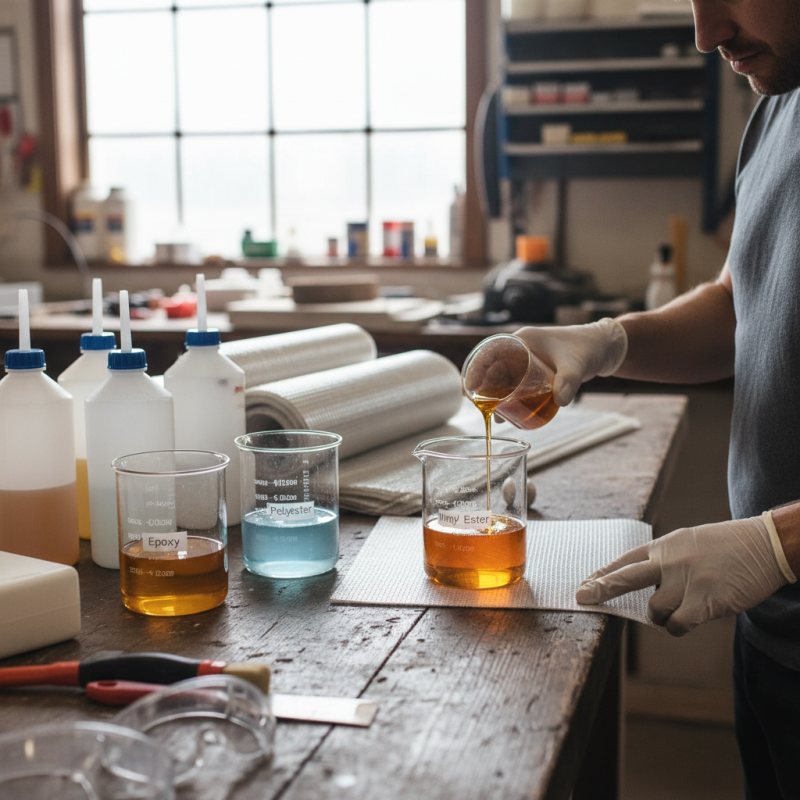
When choosing fiberglass resin, understanding the different types available is crucial. The market offers several options, each with unique properties. Polyester resin is widely popular for its cost-effectiveness and ease of use. According to industry reports, approximately 60% of fiberglass projects utilize this type. However, it can be less durable under UV exposure compared to other resins.
Epoxy resin stands out for its superior strength and excellent adhesive qualities. This type is often favored in marine applications, where enhanced resistance to water is needed. Studies indicate that epoxy can be 60% stronger than polyester resin. But its higher price point may deter some DIY enthusiasts. Users need to weigh performance against budget.
Vinyl ester resin is another alternative, bridging the gap between polyester and epoxy. It provides higher corrosion resistance, making it suitable for chemical applications. However, many users do not fully understand its complexities. The right choice hinges on specific project requirements. Each resin type presents unique challenges and benefits, driving the need for careful consideration. Users may find themselves reevaluating options to ensure they select the best fit for their needs.
This chart illustrates the different types of fiberglass resin available in the market and their common applications. Understanding these types can help you make an informed decision for your projects.
Choosing the right fiberglass resin is crucial for project success. There are several key factors to consider. First, understand the type of project. Is it for automotive, marine, or construction purposes? Each application demands specific resin properties. For instance, marine projects often require resins that resist saltwater. According to industry data, nearly 75% of marine manufacturers prefer polyester resins due to their durability.
Take note of cure time. Resins can vary significantly in how quickly they harden. Some projects may benefit from a quick cure for faster turnaround. However, slower curing resins often allow for better workability. This balance is essential for achieving a smooth finish. Always check product specifications for optimal use conditions.
Think about environmental conditions as well. Temperature and humidity can affect the curing process. A study shows that 40% of resin failures occur due to improper environmental control. Use a thermometer and hygrometer to monitor conditions. Lastly, safety is a top priority. Ensure proper ventilation and use protective gear. This approach minimizes health risks associated with resin fumes.
When selecting fiberglass resin for your projects, it's crucial to evaluate the properties and performance of different options. Fiberglass resins come in various formulations that affect their strength, durability, and usability. Clear distinctions exist between polyester, vinyl ester, and epoxy resins. Understanding their characteristics can significantly influence your project outcomes.
For example, polyester resin is popular for boat building due to its affordability and ease of use. However, it may lack the long-term durability of epoxy. Epoxy, while typically more expensive, offers superior bonding and chemical resistance, making it ideal for demanding applications. Each type has its pros and cons that require careful consideration. Aim to match the resin type to your specific project needs.
Here are a few tips: ensure you choose a resin that suits the environmental conditions it will face. Consider the curing time, as it varies with each resin type. A long curing time may be inconvenient but could allow for more working time on complex shapes. Always follow safety guidelines when working, as some resins emit harmful fumes. Researching and understanding your material will lead to better results in your projects.
Choosing the right fiberglass resin can be challenging. One common mistake is overlooking the specific requirements of your project. For instance, some resins cure slowly, while others harden faster. This difference affects your working time and can lead to mistakes if not considered. According to a report by the Composites Industry Association, approximately 37% of project delays stem from improper resin selection.
Another frequent error is ignoring the environmental conditions. Temperature and humidity play significant roles in resin performance. Using resin in unsuitable conditions may lead to poor adhesion or incomplete curing. Studies have shown that around 25% of users experience issues due to ignoring these factors. This can result in wasted materials and increased costs.
Lastly, many overlook the importance of safety data sheets (SDS). These sheets provide essential information about handling and potential hazards. Neglecting to review them can have serious consequences. Making an informed decision requires understanding the materials you are working with. Always take the time to read these documents thoroughly to avoid unnecessary risks.
| Tip/Advice | Description | Common Mistakes |
|---|---|---|
| Determine the Type of Project | Assess whether you need a laminating resin or a gel coat based on the project's requirements. | Choosing the wrong type of resin for the intended use. |
| Check Compatibility | Ensure the resin is compatible with the materials you'll be using. | Ignoring compatibility can lead to poor adhesion or failure of the project. |
| Consider the Cure Time | Choose resin based on the time you have to work before it sets. | Underestimating the cure time can result in incomplete work. |
| Evaluate Weather Conditions | Take temperature and humidity into account as they affect curing. | Not adjusting for weather can lead to curing issues. |
| Read Product Reviews | Check user feedback to gauge the performance of the resin. | Relying solely on product specifications without real user input. |
| Plan for Safety Measures | Use appropriate protective gear when working with resins due to toxicity. | Neglecting safety can lead to health risks. |
When working with fiberglass resin, proper mixing and application are crucial. Measure your resin and hardener accurately. Incorrect ratios can lead to resin that fails to cure properly. Mix slowly to avoid introducing air bubbles. A clean, dust-free environment helps ensure a better bond.
Applying the mixed resin requires attention to detail. Use a brush or roller for smooth application. Work in small sections to maintain control. If the resin starts to thicken, it’s essential to act quickly. Avoid working in overly hot or humid conditions. Both factors can impact curing time.
Reflect on your past experiences. Did bubbles form during curing? Were the edges weak? Learning from these mistakes is vital. Keep a notebook of what works and what doesn’t. This not only improves your skills but builds confidence for future projects. Each attempt helps refine your technique for better results.
: Evaluate strength, durability, and usability of different resins. Match the type to your project needs.
Polyester is affordable and easy, but less durable. Epoxy is more expensive but offers better bonding.
Proper mixing ensures the resin cures correctly and evenly. Mistakes can lead to project failure.
Measure accurately to maintain the correct ratio. Incorrect measurements may prevent proper curing.
Environmental conditions like heat and humidity can alter curing. Be mindful of these factors.
Mix slowly to minimize air introduction. Work in a clean, dust-free area for better bonding.
Act quickly to apply the resin before it becomes unworkable. Timing is crucial during application.
Reflect on past projects and note mistakes. Continuous practice and learning help refine techniques.
Yes, some resins emit harmful fumes. Always follow safety guidelines when working with them.
Assess what went wrong and learn from it. Keeping notes can help identify issues for future projects.
When embarking on projects that require durable and lightweight materials, choosing the right fiberglass resin is crucial. Understanding the various types of fiberglass resin available in the market is essential as each type offers unique properties that cater to different applications. Key considerations for selection include the specific requirements of the project, such as flexibility, curing time, and environmental resistance. Evaluating the performance characteristics of each type will help ensure the chosen resin meets project goals effectively.
Common mistakes include overlooking compatibility with other materials and neglecting proper mixing techniques, which can lead to subpar results. To achieve the best outcomes, it's important to follow tips for mixing and applying fiberglass resin accurately. By taking these factors into account, you can enhance the quality and longevity of your projects, ensuring successful results every time.

Green Boat