As the global shipping industry evolves, the importance of efficient and reliable marine diesel engines cannot be overstated. With a market projected to reach $15 billion by 2027, these engines drive maritime logistics. According to industry expert Dr. James McClain, "Marine Diesel Engines remain the backbone of shipping, but innovation is key to future success." His perspective emphasizes the urgency for advancements in this sector.
The upcoming China Import Export Fair will showcase cutting-edge products. Attendees will find a range of marine diesel engines, highlighting the latest technology and fuel efficiency improvements. With the introduction of AI-powered search, buyers can easily navigate the vast exhibition space. This will enhance the discovery of certified suppliers, driving better investment decisions.
Despite the growing demand, challenges persist. Issues such as environmental regulations and sustainability concerns require immediate attention. Manufacturers must adapt quickly to these changes. As the industry evolves, it is crucial to reflect on these limitations while exploring new opportunities in the marine diesel engine market.
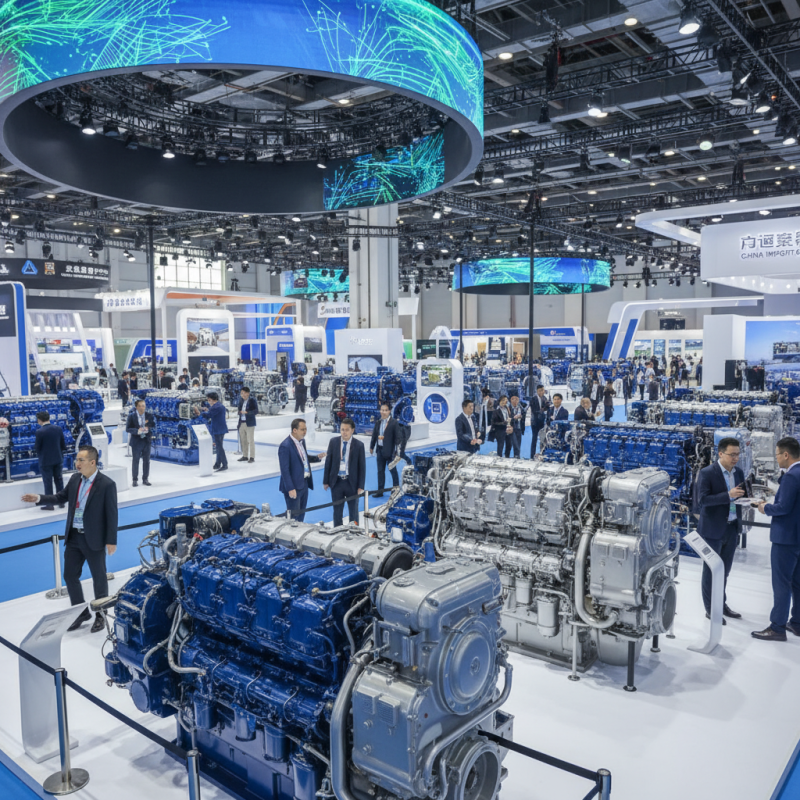
Marine diesel engines play a crucial role in maritime operations. They power a wide variety of vessels, from cargo ships to fishing boats. According to a recent report by the International Maritime Organization, around 90% of global trade is conducted by sea. This highlights the importance of efficient and reliable marine engines.
The efficiency of marine diesel engines is continually improving. Recent advancements have pushed fuel efficiency ratings to about 40%, a significant leap from earlier designs. However, challenges remain. Environmental regulations are tightening. The demand for cleaner engines is rising. Some engines still struggle to meet these new standards, requiring ongoing research and development.
Moreover, the lifespan of these engines typically ranges from 20,000 to 30,000 hours. Maintenance practices are critical to achieving this longevity. Yet, many operators fail to implement best practices, leading to unexpected breakdowns. This not only affects operational costs but also impacts maritime safety. Industry reports suggest that better training and awareness could mitigate these issues.
Marine diesel engines are crucial for the shipping industry. They power vessels that transport goods across oceans. These engines are known for their durability and efficiency. Reliable transportation is vital for global trade. Delays can cause significant financial losses. Therefore, choosing the right engine is imperative.
Tips: Always consider fuel efficiency when selecting an engine. High efficiency leads to cost savings over time. Research maintenance needs as well. Some engines require more upkeep than others.
Marine diesel engines also contribute to reducing emissions. New technologies aim to lower their environmental impact. However, some engines still fall short of current standards. This places more responsibility on manufacturers to innovate. Upgrading engines can be costly but necessary in the long run.
Vessel operators must evaluate engine performance continually. Monitoring ensures they meet operational requirements. Many engines may perform well initially but degrade over time. Consistent checks can help avoid unexpected failures. Ultimately, investing in the right technology benefits everyone involved in shipping.
When selecting a marine diesel engine, potential buyers should focus on several key criteria. The engine's power output must match the vessel's requirements. Oversized engines can lead to inefficiency. An engine that is too small may struggle under load. Consider the fuel efficiency as well. This aspect directly impacts operational costs over time.
Next, look at the engine's durability. Marine environments are harsh and can lead to faster wear and tear. Materials used should resist corrosion and prolonged exposure to water. Maintenance requirements are another critical factor. Some engines need frequent servicing, which can disrupt operations.
Noise and vibration levels are often overlooked but essential. Engines that are too noisy can cause fatigue for the crew. Additionally, the engine's footprint and weight affect the vessel's design. These factors may limit available space. Always assess your specific needs and expectations. Engage in discussions with experts in the field. This will lead to better-informed choices.
| Engine Model | Power Output (HP) | Cylinder Configuration | Fuel Type | Weight (kg) | Efficiency (%) |
|---|---|---|---|---|---|
| Model A | 500 | Inline 6 | Diesel | 800 | 45 |
| Model B | 750 | V8 | Diesel | 950 | 48 |
| Model C | 1000 | Inline 12 | Diesel | 1200 | 50 |
| Model D | 1200 | V10 | Diesel | 1400 | 52 |
| Model E | 1500 | Inline 16 | Diesel | 1600 | 54 |
When exploring marine diesel engines at the China Import Export Fair, it's essential to look at their features and specifications. These engines are designed for efficiency and longevity. Many boast a compact size without sacrificing power. Several models come equipped with turbochargers. This technology significantly enhances performance while reducing fuel consumption.
Power output varies greatly among different engines. Some engines provide up to 500 horsepower, while others can reach over 1,500. Maintenance requirements differ too. Regular oil changes and inspections are vital for optimal performance. Engine dimensions are often listed, which help buyers understand space requirements. Most engines are built with durable materials, making them suitable for various marine environments.
It’s important to note that not all engines meet environmental regulations. Some older models may produce higher emissions. Potential buyers should consider this aspect. Fuel efficiency ratings can also vary, leading to higher operating costs for some engines. Evaluating each engine's specifications critically is crucial. Small details can make a big difference.
The future of marine diesel engine technology is evolving rapidly. Innovations focus on improving fuel efficiency and reducing emissions. New materials and designs enhance performance while minimizing environmental impact. Engine manufacturers are exploring hybrid systems. These systems combine traditional engines with electric power. This shift promises cleaner operations at sea.
Research indicates a move toward biofuels and alternative energy sources. This is vital as regulations become stricter. Many engines now feature advanced monitoring systems. These systems help optimize performance and reduce maintenance costs. However, there is still a long way to go. Safety measures and regulations often lag behind technological advancements. Ensuring compliance can be a complex challenge.
Moreover, the market faces pressure to adopt digital technologies. Data analytics can improve operational efficiency. However, integrating these systems raises questions about cybersecurity. As the industry navigates these changes, the importance of adaptability cannot be overstated. Companies need to stay updated with trends while ensuring safety and sustainability. The future is promising, yet it demands continuous reflection and improvement.
: They are essential for powering vessels that transport goods efficiently across oceans, crucial for global trade.
Marine diesel engines usually last between 20,000 to 30,000 hours with proper maintenance to maximize their longevity.
Look for fuel efficiency and maintenance needs. Some engines require more upkeep, impacting overall costs.
New technologies aim to lower emissions, but some engines still struggle to meet stricter environmental standards.
These systems combine traditional engines with electric power to promote cleaner operations at sea and improve efficiency.
They help optimize performance and cut maintenance costs, but consistent evaluation is necessary to avoid failures.
Many operators neglect best practices in maintenance, leading to unexpected breakdowns and increased operational costs.
Focus on improving fuel efficiency and incorporating biofuels as regulations become stricter, enhancing sustainability.
The industry is evolving rapidly, so companies must stay updated with trends while ensuring safety and compliance.
Data analytics can enhance operational efficiency, yet integrating these systems may raise cybersecurity concerns.
The article titled "Top 10 Marine Diesel Engines to Explore at China Import Export Fair" provides a comprehensive overview of the significance of marine diesel engines in the shipping industry. The importance of these engines cannot be overstated, as they are fundamental to the operational efficiency and sustainability of maritime transportation. The article delves into key criteria for selecting marine diesel engines, such as fuel efficiency, reliability, and environmental compliance.
Furthermore, it highlights the features and specifications of the top 10 marine diesel engines available in the market, showcasing their technological advancements. Finally, the article discusses future trends in marine diesel engine technology, including innovations aimed at reducing emissions and enhancing performance. This summary not only underscores the essential role that marine diesel engines play in shipping but also points toward a progressive future for marine propulsion systems.

Green Boat