Top Reasons Why Boat Storage Is Important?

Time:2026-11-02 Author:Sienna
0%

Why is boat storage important? A boat is exposed to sun, rain, wind, dust, and changing temperatures whenever it is left outside. Over time, these conditions can fade upholstery, damage finishes, encourage mildew, and wear down exposed fittings. Even a quiet driveway can bring risks: falling branches, curious passersby, or water collecting beneath a poorly fitted cover. Storage gives owners more control over these everyday threats.

The right setup depends on the boat, the climate, and how often it is used. A secure indoor space may offer strong protection, while a well-fitted cover and careful outdoor parking can also help. Before storing a boat, owners should follow the manufacturer’s guidance, clean and dry surfaces, check the battery, and make sure the trailer rests safely. Small details matter. A damp seat or blocked drain can create trouble during a long off-season. Storage also makes routine checks easier and can reduce avoidable repairs, though it cannot prevent every problem. That part is easy to forget. In this guide, we’ll look at the main reasons boat storage matters, from protecting equipment and preserving appearance to improving convenience between trips. We’ll also consider why the best choice is not always the most expensive one.
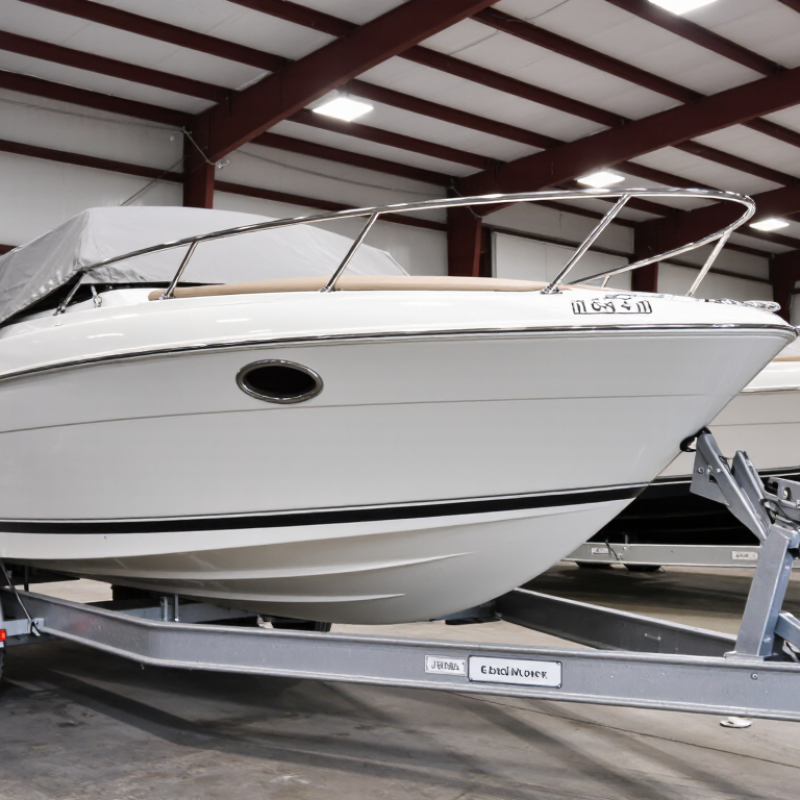
Top Reasons Why Boat Storage Is Important?

Understanding Boat Storage and Its Main Options

Understanding boat storage starts with matching the space to the vessel, climate, and how often it is used. The U.S. Coast Guard’s 2023 Recreational Boating Statistics counted about 11.6 million registered recreational vessels. That scale helps explain why storage ranges from a driveway trailer to a full-service marina slip. Small boats often fit on trailers, making launching flexible and access straightforward. You still need room to maneuver, a secure hitch, and a suitable cover. Convenient, but not effortless.

Outdoor storage is usually the simplest option. A fitted cover can reduce sun and rain exposure, though trapped moisture may still encourage mildew. Indoor storage offers stronger protection from weather, but costs more and may require advance booking. Dry-stack facilities keep boats on racks and use equipment to lift them into the water. They can save dock space, but operating hours and vessel-size limits matter. A marina slip keeps a boat ready to use, yet adds recurring fees and exposure to water and weather.

The National Marine Manufacturers Association reports that about 95% of U.S. boats on the water are under 26 feet long. That makes trailer storage practical for many owners, but not every driveway can safely accommodate a boat and tow vehicle. Before choosing, check access, drainage, security, and local facility rules. A storage plan can look good on paper and still be awkward at launch time. Walk the route. Check the gate width, turning space, and distance to the ramp.

How Storage Shields Boats from Weather and Environmental Damage

Boat storage protects more than a polished hull. Sunlight fades gelcoat, weakens upholstery, and dries exposed seals; rain and freeze-thaw cycles can worsen tiny cracks. Salt travels far. NOAA’s 2023 U.S. Billion-Dollar Weather and Climate Disasters dataset recorded 28 separate disasters, each causing at least $1 billion in damage. That figure is not boat-specific, but it shows how often severe weather can threaten exposed property. A covered, secure storage space reduces direct exposure to hail, windblown debris, intense sun, and standing water.

Coastal owners face another slow-moving risk. NOAA’s 2022 Sea Level Rise Technical Report projects 10–12 inches of average sea-level rise along the contiguous U.S. coast from 2020 to 2050, with local differences. Higher water can increase flood exposure at low-lying storage sites. Choose ground above known pooling areas, and keep the boat elevated when practical. Small leaks matter. A fitted cover should shed rain without sealing in damp air; trapped moisture can encourage mildew and corrosion. Rinse salt from metal fittings before storage, dry cushions, and check the bilge after heavy rain. Indoor storage offers stronger protection, though ventilation still matters. I’ve seen owners focus on hail and overlook condensation; it is an easy mistake to make.

How Secure Storage Helps Prevent Theft and Accidental Damage

A boat left in an open driveway is easier to reach than one behind a locked gate. A secure storage site adds barriers, lighting, and controlled access. Use a trailer coupler lock, keep keys separate, and record the hull identification number and equipment serial numbers. Small details matter.

The National Insurance Crime Bureau’s 2022 watercraft theft report recorded 4,040 watercraft thefts across the United States. That figure does not show how many thefts storage prevented, but it highlights a real exposure. A locked building or monitored yard can make an opportunistic theft harder. It cannot guarantee protection. Check who can enter, how cameras are monitored, and whether your insurance policy requires specific security measures.

Storage also reduces accidental damage from hail, falling branches, tight parking, or a trailer shifting on uneven ground. The U.S. Coast Guard’s 2023 Recreational Boating Statistics recorded 4,040 recreational boating accidents and about $63 million in reported property damage. Those figures concern boating accidents, not storage incidents, so they should not be read as proof that storage prevents damage. Still, a covered bay, wheel chocks, and a properly supported cover help protect a boat between trips. A loose strap can undo good planning. Inspect the boat and trailer after each move, even when everything looks fine.

How Proper Storage Reduces Maintenance and Extends Boat Life

A boat spends much of its life out of the water, and those quiet months can cause real wear. Sunlight fades gelcoat and dries exposed seals, while trapped dampness encourages mildew and corrosion. Before storage, rinse away salt and grime, then let compartments dry fully. Moisture finds gaps. A breathable cover can limit rain and debris without sealing damp air inside.

Support matters, too. Use a suitable trailer or cradle, following the boat maker’s guidance so weight rests on the intended points. Poor support can distort the hull over time. Drain water from bilges and systems where freezing is possible, and check the owner’s manual for model-specific winterizing steps. A quick look at hoses, clamps, and wiring may reveal small problems before they become expensive repairs.

Storage also reduces routine maintenance. A sheltered, clean space means less frequent polishing, fewer weather-damaged fittings, and less cleanup before launch. Keep the battery cared for according to its instructions, and inspect the boat every few weeks for leaks or pests. Small habits matter. I used to assume a tight cover was always better; it can trap condensation, so ventilation deserves attention. The right setup depends on climate, boat materials, and storage duration.

Choosing Storage Based on Boat Type, Climate, and Budget

Choosing storage starts with the boat itself. NMMA’s recreational boating industry data report that about 95% of boats on U.S. waters are under 26 feet and trailerable. For many owners, a secure driveway or basic outdoor space may therefore be practical. Larger boats, sailboats with tall masts, and vessels needing seasonal haul-out often require marina or yard storage. Measure the boat with its trailer, motor, and cover in place. That detail is easy to miss.

Climate changes the storage decision. In freezing regions, indoor or properly winterized storage can reduce exposure to freeze damage; in sunny, humid areas, ventilation and UV protection matter more. NOAA’s 1991–2020 Climate Normals help owners compare typical local temperatures and precipitation, rather than relying on one unusually mild winter. Cold climates need more. Still, indoor storage is not automatically the best choice: damp air, poor airflow, or a badly fitted cover can create problems too.

Set a seasonal budget, not just a monthly-rent limit. Include transport, launch and haul-out fees, winterization, cover maintenance, and access charges. Compare these costs with the value of quicker access and better weather protection. I would check the facility’s dimensions and drainage in person; a low quote can hide inconvenient limits. And plans change. A boat that fits today may not fit after an upgrade.

Top Reasons Why Boat Storage Is Important? — Choosing Storage Based on Boat Type, Climate, and Budget
Boat Type Common Storage Choice Climate Considerations Relative Budget Why Proper Storage Matters
Small aluminum or fiberglass fishing boat Trailer storage under a fitted cover, in a covered space, or indoors when available In freezing regions, follow the engine and boat manufacturer’s winterization instructions. In hot, sunny climates, limit prolonged UV exposure and allow ventilation under the cover. Low to moderate; indoor storage generally costs more than outdoor storage. Helps reduce sun and weather exposure, keep debris out, and protect equipment between trips.
Personal watercraft (PWC) Trailer or designated rack storage with a secure, ventilated cover Cold-weather owners should prepare the engine and water systems as specified by the manufacturer. In humid conditions, ventilation helps limit trapped moisture. Low to moderate; costs depend on whether the owner stores it at home or rents space. Compact storage keeps the craft protected from weather, accidental damage, and unnecessary exposure when not in use.
Sailboat Indoor or covered dry storage ashore, or a properly maintained marina berth where suitable Before winter, account for freezing conditions and protect onboard water systems. In coastal areas, salt and moisture make regular rinsing and inspection important. Moderate to high; larger boats and indoor or marina storage usually require more space and services. Reduces exposure to harsh weather and gives owners an opportunity to inspect the hull, rigging, and systems during the off-season.
Cabin cruiser or larger powerboat Covered or indoor dry storage; a marina slip may suit boats used frequently Freezing temperatures call for appropriate winterization. In warm, sunny regions, shade and ventilation can help limit heat and UV exposure. Moderate to high; storage needs rise with boat size, access requirements, and level of protection. Protects more complex onboard systems and interior materials, while making maintenance and seasonal preparation easier.
Kayak or small non-motorized boat Dry, secure rack or indoor storage, supported according to the hull’s storage guidance Keep it out of prolonged direct sunlight. In areas with freezing winters, avoid leaving water trapped in fittings or accessories. Low; home storage is often practical if space and secure support are available. Helps prevent avoidable hull wear, keeps the boat accessible, and reduces the chance of damage from improper stacking or support.
Storage costs and suitability vary by location, boat size, facility, and services. Check the owner’s manual for model-specific instructions on winterization, batteries, fuel, covers, and maintenance.

FAQS

How does boat storage protect a boat from weather?

Covered storage limits direct sun, hail, windblown debris, and standing water. It can help protect faded gelcoat, dry seals, and upholstery.

Can a boat cover cause moisture problems?

Yes. A tight cover that traps damp air can encourage mildew and corrosion. Let air circulate, dry cushions, and check the bilge after heavy rain. Small leaks matter.

What should coastal boat owners consider?

Check whether the storage site sits above areas where water pools. Elevate the boat when practical, and rinse salt from metal fittings before storage. Local flood risks vary.

Does secure storage prevent theft?

No storage setup guarantees that. A locked gate, controlled access, and monitored lighting can make casual theft harder. Keep keys separate and record the hull identification number.

How can storage reduce accidental damage?

A covered space can shield the boat from branches and hail. Use wheel chocks and support the cover properly. Inspect the trailer after each move; loose straps can shift.

What storage works for a smaller, trailerable boat?

A secure driveway or outdoor space may work if there is room for the boat, trailer, motor, and cover. Measure everything in place. That detail is easy to miss.

Should boats in cold or humid climates be stored indoors?

Indoor storage can reduce weather exposure, especially in freezing regions. But poor airflow can trap dampness. In sunny, humid areas, ventilation and UV protection still matter. Not always.

What costs should owners include in a storage budget?

Add transport, launch or haul-out fees, winterization, cover upkeep, and access charges to the rent. Visit the site to check drainage and dimensions. A low price can hide inconvenient limits.

Conclusion

Why is boat storage important? Proper storage protects a boat when it is not in use and helps preserve its condition, value, and reliability. Owners can choose among options such as indoor facilities, covered spaces, or outdoor storage, depending on their needs. Shelter from sun, rain, wind, moisture, and seasonal temperature changes can reduce fading, corrosion, and other environmental wear. Secure storage also helps lower the risk of theft, vandalism, and accidental damage from nearby activity.

Good storage can make routine upkeep easier by limiting exposure to dirt and harsh conditions, helping prevent avoidable repairs and extending a boat’s useful life. The right choice depends on the boat’s size and materials, the local climate, how often it is used, and the owner’s budget. Considering these factors helps boat owners find a practical balance between protection, convenience, and cost.

Sienna

Sienna

Sienna is a skilled marketing professional with a deep expertise in our company’s core products and services. With a passion for innovation and detail, she plays a pivotal role in crafting insightful blog posts that not only highlight the unique features of our offerings but also provide valuable......