What is a Trolling Motor and How Does it Work?

Time:2026-03-11 Author:Amelia
0%

A trolling motor is a critical tool for anglers and boaters alike. These motors offer precision and control while navigating through water. According to marine expert John Smith, “A trolling motor can make or break your fishing experience.” This highlights its importance in the fishing world.

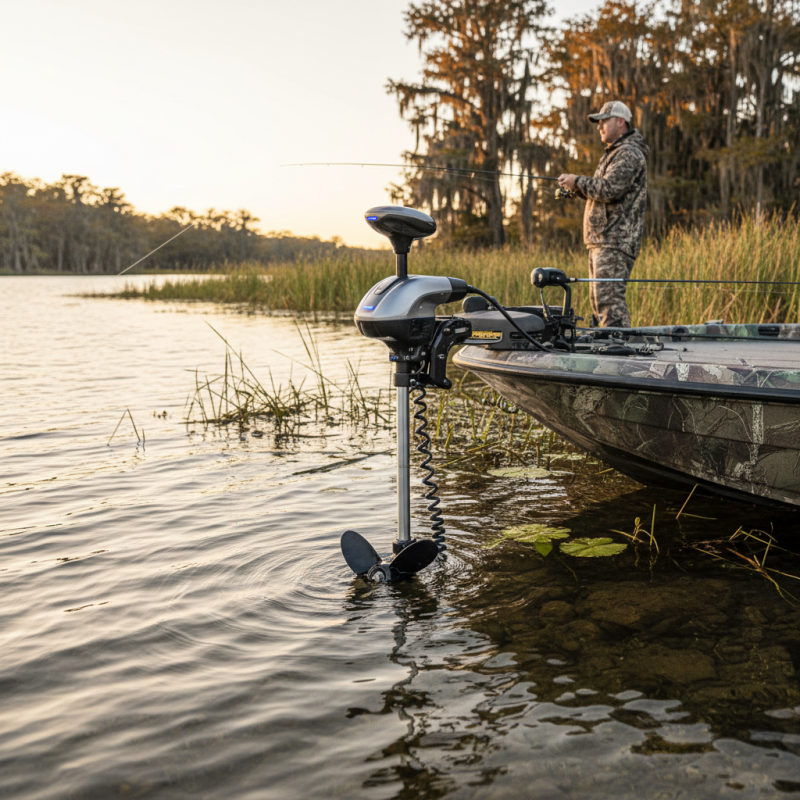
Trolling motors come in various sizes and types. They are typically electric and mounted on the boat's stern or bow. Anglers often find these motors invaluable for quietly approaching fish. The ability to maintain a steady speed enhances catch rates significantly. However, one must choose the right model based on their needs.

Despite their advantages, some users struggle with battery life and reliability. Regular maintenance is necessary to avoid common pitfalls. Understanding the motor's capabilities and limits is crucial. With closer examination, users can appreciate the full potential of their trolling motor.
What is a Trolling Motor and How Does it Work?

What is a Trolling Motor?

A trolling motor is a small electric motor used primarily on boats. It allows for quiet and controlled movement on the water, making it popular among anglers. Unlike traditional outboard motors, trolling motors use less power and generate minimal noise. This feature is essential for fishing, as it doesn't scare away the fish.

When choosing a trolling motor, consider its thrust power. The thrust should match your boat's weight. A lighter boat needs less power, while larger boats demand more. Also, think about battery life. You don't want to be stranded with a dead battery in the middle of a fishing trip.

Tip: Always check your connection before heading out. Loose wires can lead to problems later. It's frustrating to deal with a malfunction on the water. Test your motor before each trip to avoid surprises.

Another important factor is the length of the shaft. A longer shaft provides better depth in choppy waters. However, it can be cumbersome in calm areas. Finding balance is key. Reflect on what works best for your typical conditions. Remember, each trip can offer lessons for improvement.

The Components of a Trolling Motor

A trolling motor is a vital tool for many boaters. Its components work together to provide quiet, efficient movement. The primary features include the motor, propeller, and battery. Each part plays an essential role in overall functionality.

The motor is the heart of the system. It can vary in power, usually measured in pounds of thrust. This power is crucial for different types of boats and water conditions. The propeller, often made of durable plastic or metal, generates thrust. It converts the motor's energy into forward motion. Incorrect propeller choice can lead to inefficiency and unexpected issues while navigating.

Batteries power the motor, typically featuring deep-cycle designs. These batteries require proper maintenance to ensure longevity and performance. Users often overlook this, leading to power loss at critical moments. Wiring and controls are also key components; they enable the user to steer and adjust speed easily. Poor wiring can lead to frustrating electrical problems. Each component must work in harmony; otherwise, the experience can become challenging.

How Trolling Motors Operate

Trolling motors have become essential in the fishing world. Their ability to provide precise control allows anglers to navigate quietly in various waters. But how exactly do these motors operate?

Trolling motors typically use an electric motor powered by batteries. The motor propels the boat while minimizing noise. According to a recent industry report, over 70% of anglers prefer electric trolling motors for their efficiency. The propulsion system is usually mounted on the bow or transom. This positioning helps to maneuver the boat effectively, making sharp turns easier. Anglers appreciate the stealth these motors provide, which is crucial for catching wary fish.

Control is another significant aspect of trolling motors. Most models feature variable speed settings. This allows users to adjust the speed according to conditions. However, not all models offer a comprehensive range. Some may lack adequate power for larger boats or rough waters. A study on angler satisfaction indicated that 30% of users felt their motors lacked sufficient thrust. This suggests that while trolling motors are versatile tools, they still have room for improvement.

Benefits of Using a Trolling Motor

A trolling motor is a small, low-thrust motor used on boats. It quietly propels the vessel. This allows you to fish or navigate specific areas without disturbing the water too much. The benefits of using a trolling motor are quite significant.

One major advantage is control. A trolling motor lets you maintain a steady speed. This is crucial for accurate fishing. Anglers can position their boats precisely where they want to cast. The quiet operation is a big plus. Fish are less likely to be scared away.

Battery life is another important factor. Trolling motors typically use deep-cycle batteries. However, it's essential to monitor battery levels. Running out of power can halt your trip suddenly. Keeping an eye on your battery can prevent this issue. Utilizing a trolling motor enhances fishing experience, but there are challenges.

Tips for Choosing the Right Trolling Motor

Choosing the right trolling motor can enhance your fishing experience significantly. Start by considering the size of your boat. A larger boat often requires a more powerful motor. Think about the weight as well. Heavier boats will need motors with higher thrust. Generally, a good rule of thumb is to have at least 2 pounds of thrust for every 100 pounds of boat weight.

Battery type also plays a crucial role in your selection. You have two options: lead-acid and lithium-ion. Lead-acid batteries are heavier and less expensive. However, they have a shorter lifespan. On the other hand, lithium-ion batteries last longer and are lighter but come at a higher cost. Weighing these factors is essential.

Don’t overlook the motor's control options. Hand-controlled motors offer intuitive steering. Foot control motors provide hands-free operation. Each type has its pros and cons. Test them out if possible. Also, think about the thrust levels. Sometimes, too much power can be a hindrance. It may cause difficulty in maneuvering. Picking the right trolling motor requires careful consideration and adjustments based on personal preferences.

What is a Trolling Motor and How Does it Work?

Feature Description
Type Electric motor designed for low-speed maneuvering
Power Ranges typically from 30 to 120 pounds of thrust
Control Steering can be manual or remote controlled
Battery Life Depends on motor power; generally lasts from a few hours to over a day
Installation Mounted on the bow or transom of the boat
Maintenance Requires regular checks for corrosion and battery condition

FAQS

: What is a trolling motor used for?

: A trolling motor quietly propels boats. It helps in fishing and navigating without disturbing the water.

Why is control important when using a trolling motor?

Control allows steady speed maintenance. This is vital for accurate fishing and precise boat positioning.

How does a trolling motor benefit fishing?

The quiet operation of a trolling motor scares fewer fish away. This increases chances of a successful catch.

What should I consider when choosing a trolling motor?

Consider your boat's size and weight. Larger and heavier boats often need more powerful motors.

What types of batteries can be used with trolling motors?

Two main types are lead-acid and lithium-ion. Lead-acid is heavier, while lithium-ion is lighter and lasts longer.

Why is monitoring battery levels important?

Running out of battery can end your trip unexpectedly. Regular checks can prevent interruptions caused by power loss.

Are there different control options for trolling motors?

Yes, there are hand-controlled and foot-controlled motors. Each type has its own advantages and disadvantages.

How much thrust do I need for my boat?

A good guideline is 2 pounds of thrust per 100 pounds of boat weight. More power isn’t always better.

What challenges might I face with a trolling motor?

You might encounter battery life issues or difficulty maneuvering with excessive thrust. Reflect on your preferences.

Can I test a trolling motor before purchasing?

Yes, testing is recommended. It helps assess control options and ensures the motor fits your needs.

Conclusion

A trolling motor is a specialized type of motor designed for boats, allowing for quiet and precise maneuvering in the water. It typically comprises several key components, including a motor, propeller, battery, and control system, which work together to provide efficient propulsion. Trolling motors operate on either a transom or bow mount, enabling anglers and boaters to navigate without disturbing fish or the surrounding environment.

The benefits of using a trolling motor are numerous, including enhanced control, fuel efficiency, and the ability to access tight spaces in various water bodies. When choosing the right trolling motor, factors such as thrust, shaft length, and power source should be considered to ensure optimal performance for specific boating needs. Overall, trolling motors significantly improve the fishing experience and ease of movement on the water.

Amelia

Amelia

Amelia is a seasoned marketing professional with a wealth of expertise in our company’s core offerings. With an unwavering passion for driving growth and innovation, she plays a pivotal role in shaping our marketing strategies and enhancing brand visibility. A key aspect of her responsibilities......