A boat can look ready at the dock and still have problems that only appear under way. A cracked hose, a loose battery connection, or a soft patch near a hatch may seem minor. On the water, each can affect safety, reliability, and trip plans. Regular inspection gives owners a chance to notice these changes before they become harder to manage.
Why is regular boat inspection necessary? It helps identify wear, leaks, corrosion, damaged lines, and equipment that may not work as expected. A careful check can include the hull, engine, steering, electrical connections, fuel system, safety gear, and trailer. The exact routine depends on the boat, its age, how often it is used, and the conditions it faces. Salt water, long periods outdoors, and frequent trips can all leave visible clues. Small clues matter.
Inspection is not a guarantee that nothing will fail. That is worth remembering. A checklist can guide a useful review, but it cannot replace sound judgment or qualified service when a problem is unclear. Owners can record findings, photograph changing damage, and follow the manufacturer’s maintenance guidance. If a fitting moves, a warning light appears, or a bilge smells unusually strong, investigate rather than dismiss it. Some issues are easy to miss. Consistent attention makes them less likely to stay unnoticed, helping each outing begin with a clearer picture of the boat’s condition.
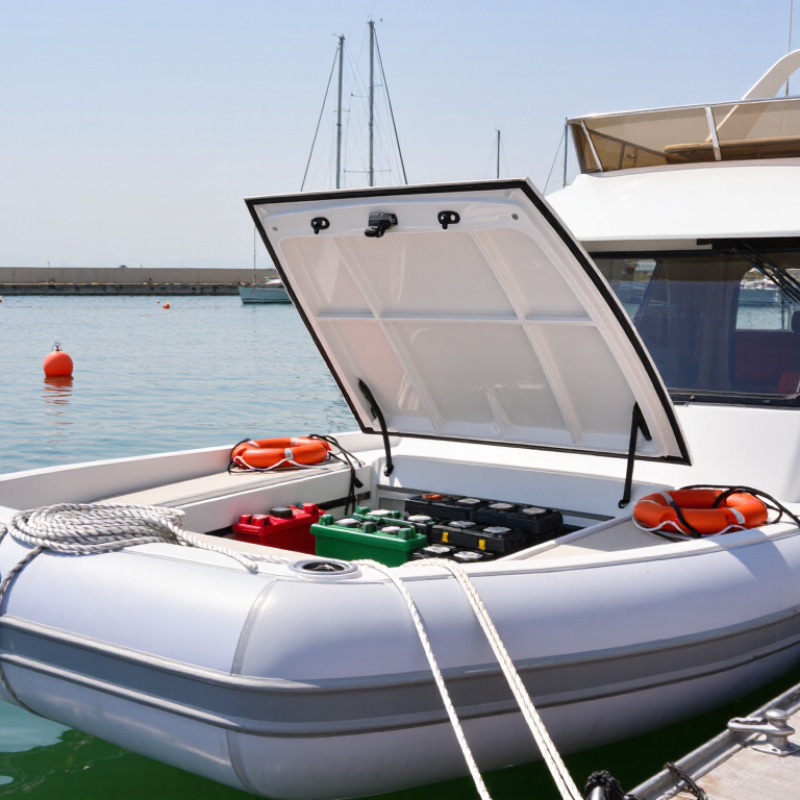
Regular boat inspection is a practical check of the vessel’s condition, equipment, and operating systems. The exact scope depends on the boat, its age, and how often it is used. Some checks happen before each trip; others need a scheduled review, sometimes with the boat out of the water.
Start with the hull, deck, and fittings. Look for new cracks, loose rails, soft spots, or water stains around windows and fasteners. Small changes matter. Check the bilge for unusual water, oil, or fuel odors, and confirm that pumps and alarms work. Inspect life-saving equipment for damage and make sure it is easy to reach. A quick glance is not enough; open lockers and check what is stored inside.
The engine review includes fluid levels, belts, hoses, clamps, and signs of leaks or corrosion. Test lights, batteries, steering, and navigation equipment, following the manufacturer’s guidance. Keep a written record of dates, findings, and repairs; a photo of a developing crack can help reveal change over time. Owners can handle many visual checks, but unfamiliar engine faults or structural damage deserve attention from a qualified marine technician. Checklists help, though they can create false confidence if items are simply ticked without close inspection.
Boat inspections should follow both a calendar and the boat’s actual use. Before every outing, check the hull, drain plug, steering, lights, bilge, fuel lines, and safety equipment. Look for fresh water under the engine, cracked hoses, loose battery terminals, or a fuel smell. Small signs matter. During a longer trip, keep an eye on engine temperature, warning lights, and unusual vibration. After grounding, heavy weather, or a collision with floating debris, inspect again before heading out. Damage may be hidden beneath the waterline.
Arrange a more thorough inspection before the boating season, and follow the engine and equipment makers’ service intervals. Boats used frequently, stored in salt water, or left outdoors may need closer checks; one annual inspection is not a reliable fit for every vessel. The U.S. Coast Guard’s 2023 Recreational Boating Statistics report recorded 3,844 boating accidents, 2,126 injuries, and 564 deaths. Those figures do not show that inspections prevent every accident, but they underline the value of checking a vessel before small faults become urgent problems. A checklist helps, though it can still miss wear inside a hose or corrosion beneath a fitting. When something looks questionable, get a qualified marine technician to assess it.
A practical planning guide to when and how often boats should be inspected.
Regular inspections can help identify wear, leaks, corrosion, and equipment problems before they become safety issues. This illustrative schedule is not a legal requirement: inspect safety-critical items before every trip, and check the boat after severe weather, impact, or other unusual events. Follow the manufacturer’s guidance and applicable local rules; the appropriate schedule depends on the boat, its use, and its condition.
A regular boat inspection should cover the systems that keep water out, power available, and steering predictable. Start at the hull, transom, and deck fittings. Look for cracks, soft spots, loose fasteners, or staining around through-hulls. Check that seacocks move freely and hoses have secure, corrosion-free clamps. A clean bilge is reassuring, but it can still hide a slow leak.
Inspect bilge pumps and float switches, then test navigation lights, batteries, wiring, and charging connections for corrosion or loose terminals. Examine fuel hoses for chafe, brittleness, and leaks; inspect belts, cooling hoses, propellers, and steering linkages for wear or excess play. Check life jackets, fire extinguishers, sound signals, and other required safety equipment for condition and accessibility. Small details matter.
The U.S. Coast Guard’s 2023 Recreational Boating Statistics recorded 3,844 reported accidents, 564 deaths, and 2,126 injuries. Those figures do not prove that inspections prevent accidents, but they underline why operational readiness deserves attention. Keep dated notes and photographs so gradual changes are easier to spot. A checklist helps, yet it cannot reveal every hidden defect; a professional marine technician should assess concerns beyond an owner’s training. One overlooked clamp can matter.
Before launching, secure the boat on its trailer or at the dock and keep the engine off. Start dry. Walk around the hull, looking for fresh cracks, dents, loose fittings, or water stains near seams. Check the propeller for bent blades and fishing line, without reaching near moving parts. Look closely. Inspect dock lines, cleats, and trailer tires for fraying, looseness, or low pressure. Inside, lift accessible hatches and check the bilge for standing water, fuel odor, or unusual residue. A little water may have a simple cause, but unexplained changes deserve attention.
With the engine cool, check oil and coolant levels according to the owner’s manual. Inspect hoses for bulges, clamps for looseness, and battery terminals for corrosion or movement. Do not handle damaged wiring. Test navigation lights, horn, bilge pump, and gauges; confirm that life jackets and a suitable fire extinguisher are present and accessible. Start the engine only when it is safe to do so, then watch for warning lights, leaks, or unusual sounds. I still miss small details sometimes, so I record defects and recheck them before departure. If a problem affects steering, propulsion, or safety equipment, ask a qualified marine technician to assess it.
Regular boat inspections turn small warning signs into manageable maintenance, before they become safety problems on the water. Check the hull for fresh cracks, loose fittings, or areas of blistering. In the bilge, look for unexpected water, oil sheen, or a pump that fails to switch on. Test steering and controls, and inspect fuel hoses for softness, chafing, or a fuel smell. Small clues matter.
A frayed belt or corroded electrical connection may seem minor at the dock. Underway, either can leave you without reliable power or propulsion. Finding it early often means a straightforward repair instead of towing, damaged equipment, or a disrupted trip. Inspect life jackets, lights, fire extinguishers, and other safety gear, too; confirm they are accessible and functioning. Follow the boat’s maintenance guidance, and arrange a qualified marine technician’s help when a check is beyond your skills. A checklist helps, but it can become a ritual if you rush through it. Take a moment to investigate anything unusual, even if the boat ran perfectly last weekend. Regular checks reduce risk, though they cannot prevent every breakdown.
| Inspection Area | What to Check | Suggested Timing | Safety Benefit | How It Can Prevent Costly Repairs |
|---|---|---|---|---|
| Hull and deck | Look for cracks, soft spots, impact damage, loose fittings, and signs of water intrusion. | Before outings; more closely during seasonal checks and after an impact. | Helps identify damage that could allow water to enter or weaken the structure. | Finding small leaks or damage early can limit water damage and prevent deterioration from spreading. |
| Fuel system | Check accessible hoses, connections, and the tank area for leaks, damage, or fuel odor. | Before starting the engine and as part of routine maintenance. | Helps reduce fire and fume hazards. If fuel is leaking or fumes are present, do not start the engine. | Replacing worn or damaged components promptly can help avoid fuel-system damage and related repairs. |
| Engine and cooling system | Check fluid levels and visible belts, hoses, clamps, and cooling-water flow; follow the engine manual for service items. | Before use for visible checks; service at the intervals specified by the manufacturer. | Can reveal overheating risks or fluid leaks before they cause an on-water breakdown. | Routine servicing and early attention to leaks or cooling problems can reduce the chance of major engine damage. |
| Steering and controls | Check that steering moves smoothly and that throttle and shift controls respond correctly. | Before every outing. | Confirms the operator can control direction and propulsion as expected. | Detecting stiffness, looseness, or unusual operation early can prevent further wear and component failure. |
| Electrical system and batteries | Look for loose or corroded connections, damaged wiring, secure battery mounting, and working navigation lights. | Before outings; inspect connections periodically and follow the battery maker’s care guidance. | Helps identify electrical faults that could affect starting, lighting, or onboard equipment. | Cleaning and securing connections and addressing damaged wiring can help prevent avoidable electrical failures. |
| Bilge and pumps | Check that the bilge is reasonably clear and test the bilge pump and float switch using the manufacturer’s instructions. | Before outings and periodically during the boating season. | A working pump can help remove accumulated water; it does not replace finding and fixing the source of a leak. | Removing water and correcting leaks early can limit corrosion, water damage, and damage to onboard equipment. |
| Safety equipment | Confirm required life jackets are available, in serviceable condition, and properly sized; check other required equipment for readiness. | Before every outing; review condition and local requirements regularly. | Ensures essential equipment is accessible and usable when needed. | Regular checks can identify damaged, expired, or missing items before they become an emergency or need for urgent replacement. |
| Through-hull fittings and seacocks | Inspect accessible fittings and hoses for leaks or corrosion; confirm seacocks operate where safe and practical. | During routine checks and seasonal maintenance. | Helps identify potential points of water entry below the waterline. | Early repair or replacement of deteriorating fittings can help prevent flooding and extensive water damage. |
| Propeller and running gear | When the boat is safely out of the water, check for visible propeller damage, fishing line, and damage to accessible running gear. | During haul-out or whenever damage or unusual vibration is suspected. | Can reveal issues that affect propulsion, handling, or vibration. | Removing entangled line and addressing damage early can help protect seals, shafts, and related components. |
Inspection schedules vary by boat, engine, usage, and local requirements. Follow the owner’s and manufacturer’s manuals, and have qualified marine professionals assess problems that are beyond your skills or access.
Inspect the hull, deck, rails, and fittings for cracks, looseness, soft spots, or water stains. Open lockers, too.
Check the drain plug, steering, lights, bilge, fuel lines, and safety equipment. Look for fresh water or fuel odors.
Arrange one before the boating season and follow equipment service intervals. Frequent use, salt water, and outdoor storage may call for closer checks.
Look for damage before heading out again. Check below the waterline if possible; some damage stays hidden.
Check fluid levels, belts, hoses, clamps, leaks, and corrosion. Watch for cracked hoses or a frayed belt.
Look for unusual water, oil sheen, or fuel smells. Test the pump and alarm. Don’t just glance inside.
No. It helps organize checks, but a rushed tick mark can miss wear inside a hose or corrosion beneath a fitting.
Ask a qualified technician about unfamiliar engine faults or structural damage. Guessing can make a small problem harder to assess.
Record dates, findings, and repairs. A photo of a growing crack can reveal change over time, though records are easy to neglect.
Regular boat inspection is a systematic review of a vessel’s condition, covering its hull, engine, electrical and fuel systems, steering, safety equipment, and other essential components. Inspections should take place before the boating season, after extended storage, before longer trips, and at regular intervals during periods of frequent use. The right schedule depends on the boat’s age, condition, and operating environment, but routine checks help identify developing problems early.
To conduct an inspection, start with a visual review of the hull and deck, then check the engine, fluid levels, batteries, wiring, hoses, steering, and onboard safety gear. Test essential equipment and record any signs of wear, leaks, corrosion, or damage for prompt attention. Why is regular boat inspection necessary? It helps reduce the risk of unexpected failures, supports safer operation, and can prevent small maintenance issues from becoming expensive repairs. A consistent inspection routine also helps owners understand their boat’s condition and plan upkeep more effectively.
Green Boat