The global maritime infrastructure relies heavily on the Automatic Identification System (AIS) to navigate crowded shipping lanes, prevent maritime collisions, and monitor global EEZs (Exclusive Economic Zones). In the modern commercial environment, an AIS receiver is no longer a luxury—it is a critical industrial baseline. Driven by the mandates of the International Maritime Organization (IMO) under the International Convention for the Safety of Life at Sea (SOLAS), vessels of 300 gross tonnage and upwards on international voyages, and all passenger ships regardless of size, must be fitted with AIS transponders.
From a commercial standpoint, the manufacturing sector of AIS receivers is undergoing rapid consolidation and technological evolution. High-end factories are shifting away from traditional analog VHF reception toward Software-Defined Radio (SDR) architectures, allowing units to process multiple frequencies and interface dynamically with cloud-based digital twin software. This transition has critical implications for shipping operations, supply chain visibility, port optimization, and marine conservation.
As the VHF spectrum becomes increasingly congested in busy maritime hubs, the industry is transitioning to VDES (VHF Data Exchange System). VDES integrates classic AIS with Application Specific Messages (ASM) and high-speed satellite downlinks, creating a robust marine IoT infrastructure.
Traditional terrestrial AIS receivers have a range of approximately 20–40 nautical miles due to the curvature of the earth. Today's premium manufacturers integrate S-AIS, allowing receivers to process messages picked up by low-Earth orbit (LEO) satellite constellations, offering seamless ocean-wide vessel tracking.
Modern ship networks require direct sensor fusion. Manufacturers are phasing out old NMEA 0183 serial links in favor of NMEA 2000 (CAN bus) and high-speed marine Ethernet. This allows AIS targets to be instantly overlaid on thermal cameras, ECDIS plotters, and autopilot safety zones.
Historically, receivers alternated scanning between the two primary AIS frequencies (161.975 MHz and 162.025 MHz). Leading factories now build true dual-channel parallel DSP (Digital Signal Processing) architectures that intercept 100% of packets on both bands simultaneously, preventing data loss.
The application profile of an AIS receiver differs dramatically based on geographical and regulatory scenarios:
In coastal fisheries (such as the South China Sea, the North Sea, and the Pacific Northwest), localized management agencies install specialized ruggedized AIS Class B transceivers to track thousands of smaller vessels. This helps local fisheries monitor compliance, combat Illegal, Unreported, and Unregulated (IUU) fishing, and coordinate emergency responses in harsh weather conditions.
At critical logistics chokepoints like the Port of Rotterdam or the Port of Singapore, high-sensitivity base-station AIS receivers are deployed. Combined with shore-based radar and visual thermal cameras, these receivers feed data directly into AI algorithms that predict vessel arrival times, optimize docking queues, and manage berth allocations.
Offshore wind farms feature dozens of static turbine structures that present navigation hazards. Developers integrate localized AIS receivers and AIS-SART (Search and Rescue Transmitters) to broadcast virtual aids to navigation (AtoN), marking hazards in real-time on passing ships' navigation displays.
Based on market share, RF performance, build quality, and software integration capabilities, here is the definitive breakdown of the top 10 AIS hardware manufacturers globally.
| Manufacturer Name | Primary Headquarter Location | Core Focus Market | Key Interface Support | Distinct Technical Edge |
|---|---|---|---|---|
| Furuno Electric Co., Ltd. | Japan | Commercial, Deep Sea Cargo | NMEA 0183 / 2000, Ethernet | Ultimate RF sensitivity and extreme weather durability. |
| Garmin Ltd. | USA / Taiwan | Leisure Yachts, Light Commercial | NMEA 2000, Garmin Marine Network | Perfect user experience and chartplotter ecosystem integration. |
| Raymarine (FLIR Systems) | United Kingdom | Leisure, Commercial Fishing | SeaTalk NG, NMEA 2000 | Advanced thermal camera tracking overlays (FLIR integration). |
| Simrad Yachting (Navico) | Norway | Commercial Marine, Superyachts | NMEA 2000, SimNet, Ethernet | Multi-display synchronization and robust commercial Class A build. |
| Vesper Marine (Garmin Group) | New Zealand | Leisure, High-end Yachting | NMEA 2000, Wi-Fi, USB | SmartAIS proactive collision avoidance alarms and mobile apps. |
| McMurdo (Orolia Group) | France | Safety, Search & Rescue (SAR) | NMEA 0183 / 2000 | Integration with COSPAS-SARSAT emergency beacons. |
| em-trak Marine Electronics | United Kingdom | Commercial, Custom OEM Systems | NMEA 2000, Wi-Fi, USB | Robust SOTDMA Class B transceivers with high manufacturing standards. |
| AMEC (Alltek Marine Electronics) | Taiwan | Commercial, Fishing, Fleet OEM | NMEA 0183 / 2000, USB | Cost-effective manufacturing with excellent regulatory certifications. |
| Weatherdock AG | Germany | Commercial, Security, SAR | NMEA 0183 / 2000, Wi-Fi | Precision German engineering, military-grade components. |
| Digital Yacht | United Kingdom / USA | Leisure, Light Commercial | NMEA 2000, Wi-Fi, USB | Pioneers in wireless AIS data distribution for iPad/tablet navigation. |
Furuno is the industry benchmark for commercial shipping. Their FA-170 Class A AIS system provides outstanding reception sensitivity and filters RF noise in heavy ports. Built for commercial workboats, cargo ships, and offshore platforms.
Garmin's AIS 800 blackbox transceiver features active tracking and 5 Watts of transmit power. Their systems interface seamlessly with Garmin MFDs (Multi-Function Displays), making them a dominant force in recreational and charter markets.
Raymarine offers robust AIS units like the AIS700 Class B transceiver. Utilizing SOTDMA (Self-Organizing Time Division Multiple Access), Raymarine products ensure priority transmission in highly congested shipping channels.
High-performance marine design is an integrated ecosystem where structural engineering and electronic safety systems work in harmony. To build the ultimate boat or racing shell, structural design, materials, and electronic navigation systems must be aligned. This design philosophy is shared by premium hull designers like Klaus Filter and Graeme King, in partnership with builders such as the Flying Eagle Boat Company and WinTech Racing (Green).
"The mission of Green is to establish our global leadership as the foremost sustainable boat builder, dedicated to expanding the reach of the sport by making it accessible to all through the integration of cutting-edge technology and the use of the highest quality materials. Drawing on the combined expertise of US engineering and German and Australian design, we craft exceptional racing shells that set new standards for performance and durability."
Building an exceptional vessel—whether it is a carbon fiber rowing shell or an ocean-bound commercial rescue boat—comes down to three core fundamentals:

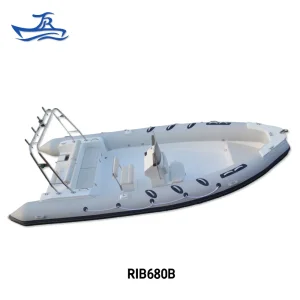
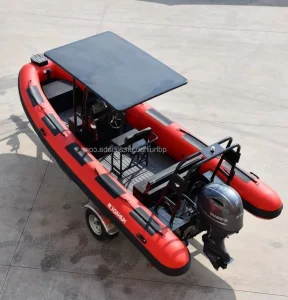
By bringing together international resources, including German hull designers, advanced engineering teams in the USA, and precision manufacturing yards, modern boat builders design shells and hulls that accommodate advanced electrical networks. Integrated battery systems, energy-efficient LED marine lighting, and AIS transmitters must work seamlessly together to ensure boat safety, navigation tracking, and structural balance without compromising vessel performance.

Our commitment goes beyond delivering high-quality equipment. We provide customizable financing, direct factory support, and maintenance solutions to ensure that vessels run safely and efficiently throughout their service life.
Deploying commercial marine projects requires integrating various deck hardware and safety systems:
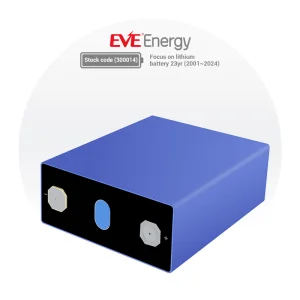
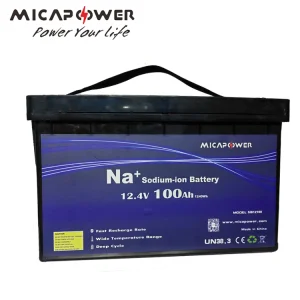
High-capacity LiFePO4 and Sodium-Ion batteries power marine communication equipment like AIS, radar, and searchlights, ensuring deep-cycle reliability under tough environmental conditions.
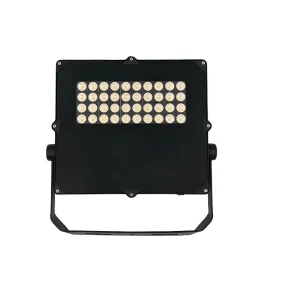
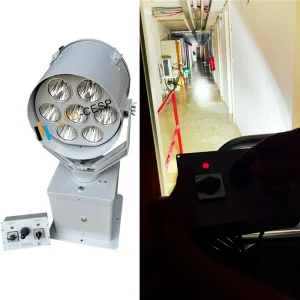
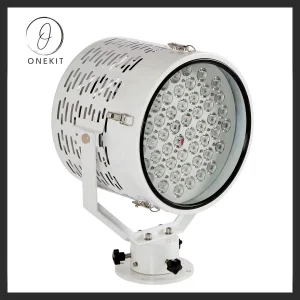
Dimmable, marine-grade 100W to 350W LED searchlights and floodlights provide long-range visibility, supporting safety vessels during nighttime search and rescue operations.
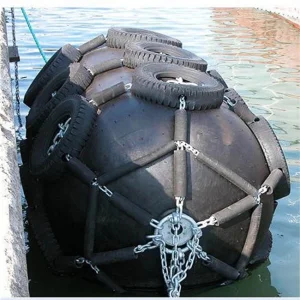
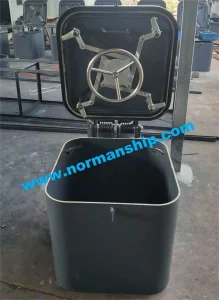
Durable Yokohama pneumatic rubber fenders, high-holding galvanized Danforth anchors, and secure watertight hatch covers keep vessels protected during transport and mooring.
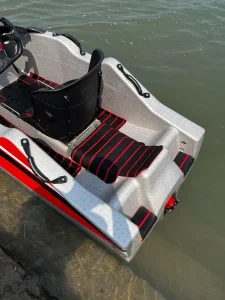
 Green Boat