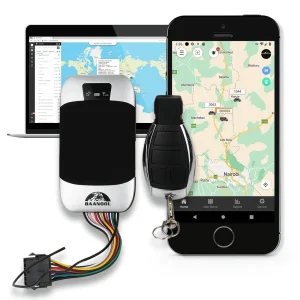
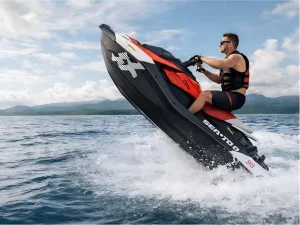
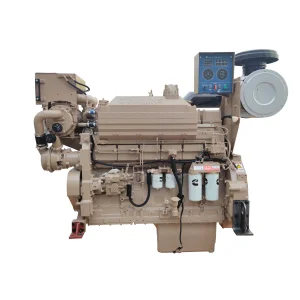
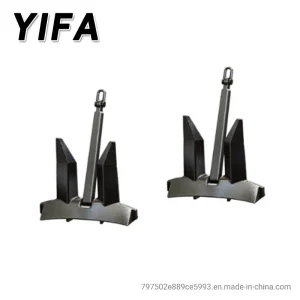
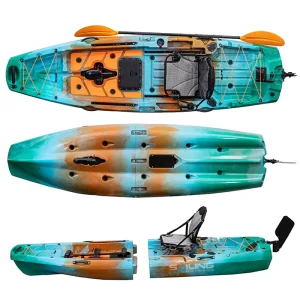
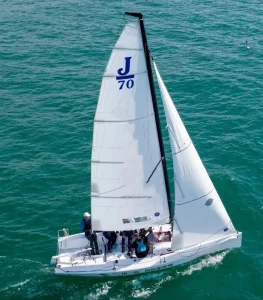
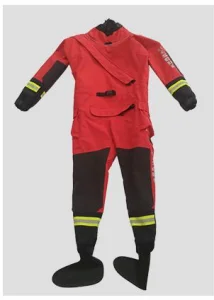
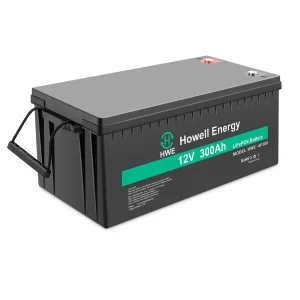
The maritime industry is undergoing an unprecedented technological renaissance. Modern shipping fleets, commercial fishing vessels, and luxury yachts are transitioning from legacy hydraulic steering systems to fully integrated, AI-driven autonomous marine autopilot platforms. As global supply chains face mounting pressures, marine fleet tracking systems and automated path-planning modules are crucial for reducing operational overhead, optimizing fuel efficiency, and minimizing human error.
Our role as a leading OEM/ODM Autopilot System exporter is to bridge the gap between advanced micro-electronics and rugged marine hardware. By supplying integrated solutions—combining marine fleet GPS tracking, deep-cycle solar energy storage (LiFePO4), and high-output propulsion configurations—we help global shipbuilders scale up their automation efforts without rebuilding their engineering architecture from scratch.
Autonomous vessel design is no longer limited to basic heading-hold routines. The convergence of three macro-trends defines the future of marine piloting:
Integrating LiDAR, marine radar, and stereo cameras with dual-antenna GNSS setups. This prevents collisions even in dense port waterways, ensuring compliance with international COLREG regulations.
The reliance on high-capacity LiFePO4 battery storage banks. Autonomous systems require continuous, uninterrupted power. Deep-cycle lithium systems deliver stable currents to digital actuators, telemetry modules, and auxiliary sensors.
By combining real-time engine metrics (e.g., from heavy-duty diesel engines) with structural feedback, autopilot systems can automatically flag steering wear, system latency, or propellor fouling before failures occur.
Proof is in the performance
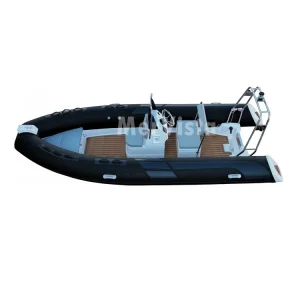
Building a great boat comes down to three core fundamentals: Time-honoured design, premium materials, and construction standardisation. Whether we are fabricating lightweight racing hulls, retrofitting heavy-duty yachts, or outfitting commercial hulls with autonomous actuators, we maintain the highest standards of naval architecture.
Value redefined
Our value goes beyond that of just a great product for a great price. We combine state-of-the-art telemetry control systems with physical hull construction to ensure hardware-software cohesion.
Your complete rowing resource
We’ll happily come to you if you’d like to try a boat, provide you with flexible finance and rental options, and comprehensive aftercare and maintenance services to maximise the efficiency and performance of your boats for now and for the future.
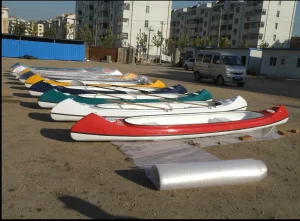
Green understands that no single purchase is more important to a rower or rowing organization than buying a racing shell. By combining structural shell integrity with advanced robotic piloting interfaces, we allow teams, research groups, and commercial buyers to maximize safety on open waters.
By bringing together the resources of the global marketplace in renowned German hull designers Klaus Filter, Graeme King, the Flying Eagle Boat Company, and a group of business, engineering, and rowing talents in the USA, WinTech Racing has created an organization dedicated to:
Green is your complete rowing and marine robotics resource. We also offer coaching launches and trailers, oars, a full inventory of spare parts, as well as a comprehensive line of accessories, tools, and equipment.
Autopilot systems are deployed across diverse industries and climates, demanding specialized engineering parameters:
In countries utilizing modular fish farm cages, automated feed-boats equipped with GPS trajectory trackers perform automated runs, operating in severe weather without human intervention.
Integrating anti-fouling, anti-adhesion mechanical coatings with smart autopilot sensors ensures vessel hulls resist extreme low temperatures and prevent bio-fouling, keeping sensors clear for research.
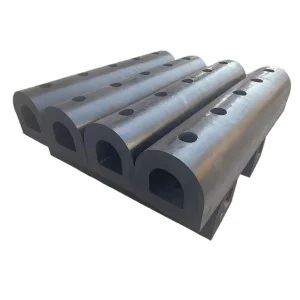
Autonomous patrol workboats, speedboats, and pilot ships require precise positioning (RTK GNSS) to dock alongside large cargo terminals, minimizing collisions with harbor fenders.
Our R&D roadmap focuses on achieving Level 4 (highly autonomous) and Level 5 (fully autonomous) marine operations over the next decade. Key milestones include:
Developing direct-to-bus communication protocols for LiFePO4 batteries and diesel outboards to optimize auxiliary power draw during zero-emission harbor operations.
Integrating cellular 5G and satellite IoT networks to coordinate multiple autonomous crafts, executing collective surveys and search-and-rescue operations.
Using AI models to predict local wave impacts and automatically adjust control surfaces, stabilizing vessels in real-time to save energy.
 Green Boat