In the high-stakes world of maritime engineering, the boat cleat is more than just a piece of hardware; it is the fundamental link between a vessel and the earth. As of 2024, the global marine hardware market has seen a significant surge, driven by the expansion of luxury yacht tourism in the Mediterranean, the commercial fishing boom in Southeast Asia, and the revitalization of urban marinas across North America.
China has emerged as the epicentre of this industry, not merely for its manufacturing capacity but for its technological leap in investment casting and precision CNC machining. Our factories utilize high-grade AISI 316 stainless steel, ensuring that every cleat—whether it be a Pull-up cleat, Folding cleat, or Open Base cleat—can withstand the brutal corrosive forces of saline environments for decades.

The integration of IoT sensors within heavy-duty boat cleats is a burgeoning trend. These "Smart Cleats" can monitor tension levels and alert marina managers to potential line breaks during storms, a feature increasingly requested by mega-yacht ports.
Modern factories are shifting toward "Green Casting" methods, utilizing recycled marine-grade scrap and induction melting to reduce carbon footprints, aligning with the global push for a blue economy and sustainable shipbuilding.
Minimalist design is dominating the luxury sector. Pop-up and folding cleats that sit flush with the deck are no longer just for speedboats; they are becoming standard on commercial ferries and pilot boats to prevent trip hazards.

Proof is in the performance: Building a great boat or manufacturing world-class hardware comes down to three core fundamentals: Time-honoured design, premium materials, and construction standardisation.
Value redefined: Our value goes beyond that of just a great product for a great price. We establish global leadership as a foremost sustainable builder, dedicated to expanding the reach of maritime sport and commerce.
By bringing together global resources—including renowned German hull designers Klaus Filter and Graeme King—we have created an organization dedicated to innovation in the manufacturing and delivery of racing shells and marine hardware.
For international buyers, shipyards, and marine hardware wholesalers, the decision to partner with a top-tier Chinese exporter is driven by technical capability and supply chain reliability. Here is how we lead:
Unlike many middleman exporters, our factories control the process from the raw ingot to the final mirror-polish finish. This vertical integration allows us to guarantee the chemical composition of our AISI 316 Stainless Steel, ensuring it meets the ASTM A380 standards for passivation and corrosion resistance.
Every marina has unique requirements. Whether you need a custom-branded 12-inch heavy-duty bollard for a commercial dock or a sleek, titanium-coated cleat for a racing yacht, our in-house engineering team can take a CAD drawing to a 3D-printed prototype in 48 hours.
Every batch of our boat cleats undergoes rigorous 72-hour to 500-hour neutral salt spray (NSS) testing. This ensures that when our products reach clients in Australia, the Caribbean, or the North Sea, they are ready for a lifetime of service.
Our mirror-polished pull-up cleats are the gold standard for luxury vessels ranging from 27ft to 100ft. They provide a seamless aesthetic when not in use, protecting the sleek lines of the fiberglass hull.
Heavy-duty open base cleats and double cross bollards are essential for the high-tension demands of the fishing industry. Our cast-iron and steel variants are built for maximum load capacity.
Speed and reliability are critical. Our quick-tie cleats are designed for emergency responders who need to secure vessels in turbulent waters within seconds.
Choosing the right China top boat cleat exporter involves understanding the technical nuances of the hardware. Most industrial cleats are categorized by their mounting style and weight capacity. Our production lines feature:
Our commitment to excellence extends to the Marine Grade 316 Stainless Steel we use, which contains 2-3% molybdenum. This specific chemical addition is what prevents "pitting" in warm saltwater environments, a common failure point for cheaper 304-grade alternatives sold by non-specialized factories.
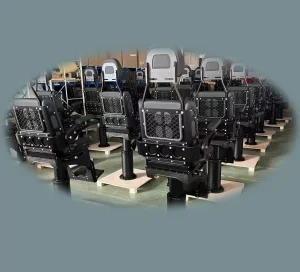
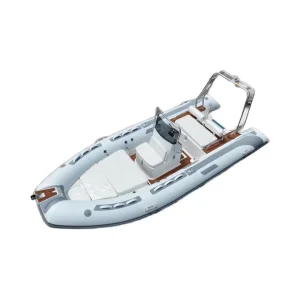
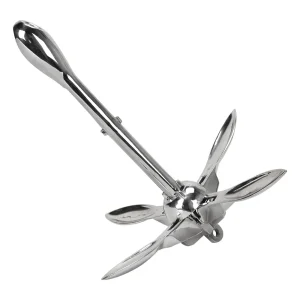
As we continue to innovate, our mission remains clear: to provide the global maritime industry with hardware that is as resilient as the ocean itself. From the smallest dinghy to the largest catamaran, our boat cleats, anchors, and seats are designed to redefine performance and safety on the water.
 Green Boat