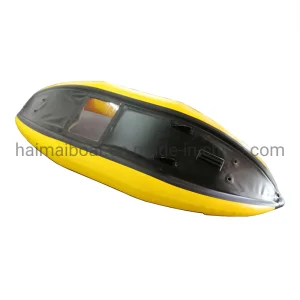
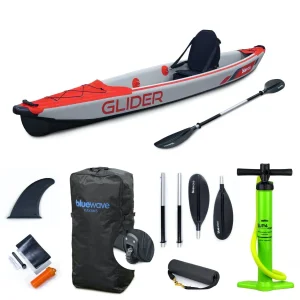
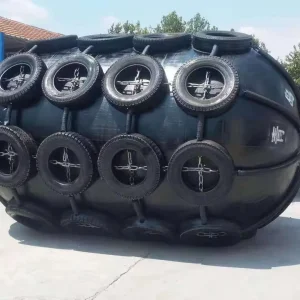
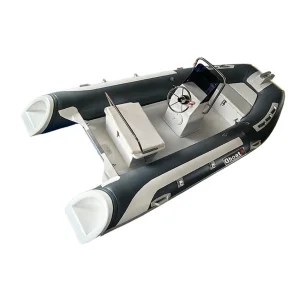
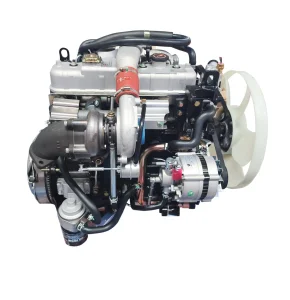
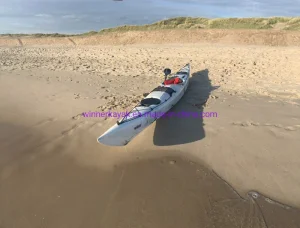
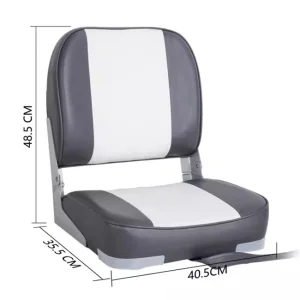
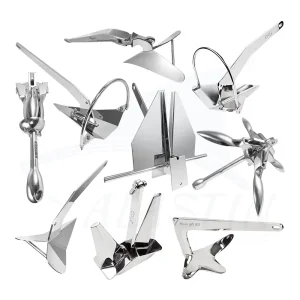
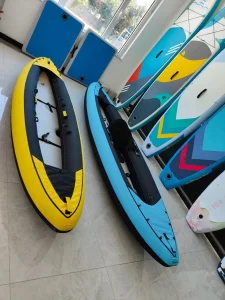
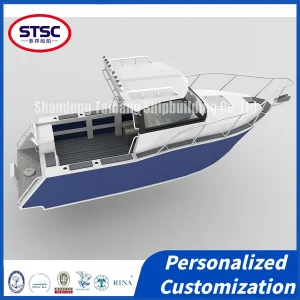
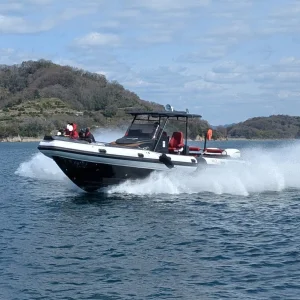
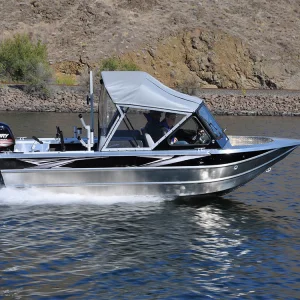
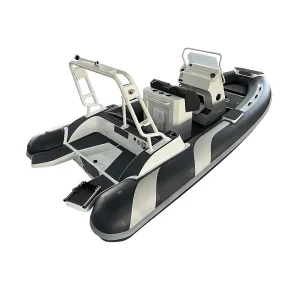
Explore our core engineering catalog, spanning tactical inflatables, commercial hardware, and specialized marine paint

Proof is in the performance. Building a great marine vessel or mechanical component comes down to three core fundamentals: Time-honored design, premium marine materials, and uncompromising construction standardization.
We believe that value goes beyond just delivering a functional product at an affordable price. In the demanding marine environment, trustworthiness is measured in reliability under stress. Green understands that no single purchase is more critical to a maritime professional, cargo operator, or rowing organization than acquiring high-performance equipment designed to withstand corrosive, high-vibration ocean environments.
By bringing together global resources, including renowned German hull designer Klaus Filter, naval architect Graeme King, and the Flying Eagle Boat Company, we have created an engineering network dedicated to sustainable advancement, mechanical durability, and innovative guidance equipment.
Explore Design MethodologyA Technical Whitepaper on Magnetic Orientation Systems and Deviation Management
Every commercial vessel experiences magnetic fields generated by its own steel structure, electrical wiring, and cargo. This phenomenon, known as magnetic deviation, can render an uncalibrated marine compass useless.
As a leading custom marine compass manufacturer, we build precise internal correction assemblies. Using high-coercivity materials, we calibrate A, B, C, D, and E deviation coefficients directly into the binnacle housing.
Through integrated Flinders bars and quadrantal correctors, our systems guarantee that the physical compass card remains aligned with the Earth's true magnetic lines, mitigating the structural interference of large merchant vessels.
Operating in rough sea states requires compass cards with optimal damping. Our compasses utilize a custom mixture of highly refined silicones or glycol-water solutions, calculated to maintain a stable viscosity profile from -40°C to +70°C.
A common issue with standard fluid compasses is the formation of expansion bubbles due to extreme temperature shifts. We resolve this by integrating custom copper bellows within the fluid chamber.
These bellows contract and expand to match the fluid's volume shifts, preventing internal bubbles and ensuring a clear, unobstructed reading of the compass card at all times.
The mechanical pivot of a magnetic compass is subject to continuous micro-vibrations from the ship's engines and wave impact. Minimal friction is essential for high accuracy and long-term durability.
Our instruments utilize a hardened iridium-platinum pivot pin resting on a precision-polished sapphire cup jewel bearing. This material pairing minimizes friction and wear.
This design prevents the sluggish response common in low-grade compasses. It ensures the heading card reacts immediately to shifts of less than 0.5 degrees, satisfying international marine safety regulations.
In addition to heavy commercial shipping Class A compasses, our engineering line develops specialized compact units for high-performance rowing shells, kayaks, and offshore yachts.
Working alongside designers like Klaus Filter and Graeme King, we understand how weight distribution and vibration characteristics affect low-displacement vessels.
Our custom yacht compasses utilize lightweight, fiber-reinforced polymers and ultra-low profile housings that fit securely into deck recesses without compromising hull hydrodynamics or stability.
Modern bridges demand hybrid setups where analogue reliability meets digital efficiency. Our Transmitting Magnetic Compass (TMC) systems bridge this gap by placing a digital sensor array directly above the physical compass bowl.
The sensor converts the physical rotation of the magnetic card into digital NMEA 0183 or NMEA 2000 output. This signal feeds directly into ECDIS displays, autopilots, and radar systems.
In the event of a total electrical failure, the physical card remains fully operational, ensuring compliance with global maritime fail-safe standards.
We test our magnetic compasses to meet ISO 25862:2019, SOLAS Chapter V, and MED (Wheelmark) certification requirements. Every compass undergoes rigorous magnetic signature mapping prior to dispatch.
Each unit is supplied with an individual calibration card and serial tracking, ensuring seamless integration into commercial vessel survey procedures worldwide.
Our manufacturing complex in China leverages extensive regional industrial integration to optimize cost and performance. By maintaining raw material processing, precision CNC component machining, vacuum-filling systems, and magnetic calibration labs in a single facility, we reduce logistics lag and control production tolerances.
Collaborating with local and global logistics hubs enables us to manage components efficiently, from heavy-duty raw steel to specialized silicones. Following the standardisation principles proven by Flying Eagle Boat Company, we apply strict process control to ensure every component, from structural brackets to marine-grade anti-fouling coatings, meets international durability standards.
This localized supply chain strategy allows us to offer custom modifications (such as specific binnacle heights, digital TMC sensor integration, or specialized dial designs) in shorter lead times than fragmented European or North American facilities.

1. High-Latitude Arctic Navigation: Features grid navigation overlays and specialized low-temperature damping fluids that resist freezing down to -50°C, providing clear readings in polar environments.
2. Tropical Marine Zones: Formulated with UV-stabilized polycarbonate lenses and high-thermal-expansion copper bellows to handle intense solar radiation and temperatures up to +75°C without leaking or bubbling.
3. Heavy Vibrational Craft: Designed for high-speed patrol craft, commercial fishing vessels, and jet-ski applications. Features internal gimbal dampening and high-viscosity fluids to isolate hull vibrations and stabilize heading cards.
Phase 1: Dynamic Compensation Integration (2025): Deploying MEMS sensor arrays inside the physical casing to measure mechanical tilt and automatically adjust digital headings for pitch and roll.
Phase 2: Eco-Friendly Formulations (2026): Transitioning to biodegradable damping fluids and recyclable structural composites, aligning with our target of sustainable maritime manufacturing.
Phase 3: Autonomous Navigation Interfaces (2027): Developing optical heading detection systems that translate physical card movements directly to electronic autopilot loops without magnetic deviation interference.
Navigational instruments must be backed by accessible technical service. We provide localized assistance through networks in major commercial ports in North America, Europe, and the Asia-Pacific region. Our services include compass adjustment, deviation card renewal, and on-board inspections.
We work with national maritime authorities to verify that our custom compasses meet SOLAS requirements. By providing comprehensive certification documents, including test reports and certificate copies, we help shipowners avoid regulatory delays during port inspections.
Expert insights on marine compass selection, calibration, and regulatory compliance
Explore our secondary lineup of high-performance racing craft, jet skis, yacht tenders, and marine coating systems
 Green Boat