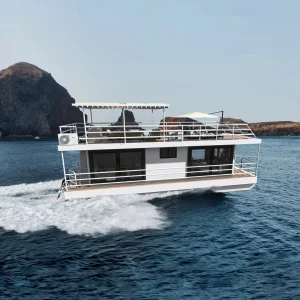
Explore our top-tier marine products, auxiliary equipment, and power storage modules designed to support high-performance marine electrical and underwater light integration.
For yacht builders, marine supply wholesalers, and commercial fleet owners, underwater boat lighting is no longer just an aesthetic accessory. Modern marine LED technology serves as a critical asset for maritime safety, commercial navigation, aquaculture efficiency, and luxury positioning.
Selecting the right OEM/ODM factory partners requires deep scrutiny of material composition, thermal dynamics, structural integrity against water intrusion, and electrical stabilization inside marine grids. This document presents the foundational criteria and technical standards utilized by top-tier Chinese manufacturing factories to export world-class marine LED systems across global supply networks.

Why the global maritime procurement supply chain converges on Chinese OEM/ODM export bases for advanced marine light systems.
Unlike factories that rely heavily on component imports, leading Chinese manufacturers operate in clusters (Shenzhen-Dongguan-Zhongshan electronics zones) that offer direct access to specialized LED chips, optical glass producers, precision CNC metal extrusion centers, and specialized drivers, reducing lead times to 15-30 days.
Export factories utilize state-of-the-art multi-axis CNC machines for machining Marine-Grade 316L Stainless Steel, Naval Bronze, and Aerospace-Grade Aluminum Alloys. This ensures maximum protection against galvanic corrosion, crevice corrosion, and biofouling in high-salinity seawater environments.
High-end exporters feature on-site laboratories with salt spray chamber testing (ASTMB117), high-pressure hydrothermal chambers (simulating depth ratings down to 50 meters), integrating integrating CE, RoHS, FCC, and UL certifications natively to guarantee compliance in North American and European markets.
Proof is in the performance
Building a great boat or designing high-performance marine components comes down to three core fundamentals: Time-honoured design, premium materials, and construction standardisation.
Our value goes beyond that of just a great product for a great price. As a complete rowing and marine equipment resource, we’ll happily provide direct access to trial hulls, flexible financing, comprehensive aftercare, and maintenance services to maximize operational efficiency and longevity.
Green understands that no single purchase is more important to a marine operator or crew than selecting the correct vessel shells and electronics packages.
"The mission of Green is to establish our global leadership as the foremost sustainable boat builder, dedicated to expanding the reach of the sport by making it accessible to all through the integration of cutting-edge technology and the use of the highest quality materials. Drawing on the combined expertise of US engineering and German and Australian design, we craft exceptional racing shells that set new standards for performance and durability. Our unwavering commitment to sustainability, affordability, and innovation drives us to propel the sport of rowing into a more inclusive and exciting future, where excellence knows no boundaries."
By bringing together the resources of the global marketplace in renowned German hull designers Klaus Filter, Graeme King, the Flying Eagle Boat Company, and a group of business, engineering, and rowing talents in the USA, WinTech Racing has created an organization dedicated to:

Whether molding hydrodynamic hulls engineered by German pioneer Klaus Filter, or configuring complex high-draw DC marine electrical panels, the marine legacy of Green and WinTech Racing embodies performance reliability.
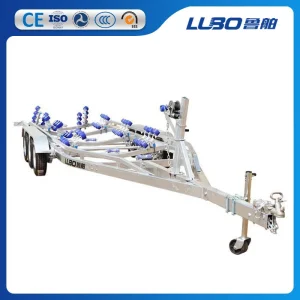
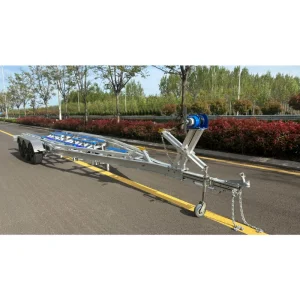
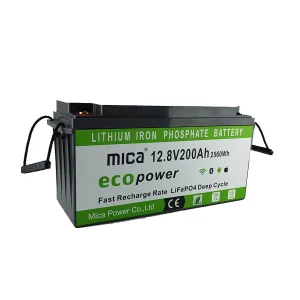
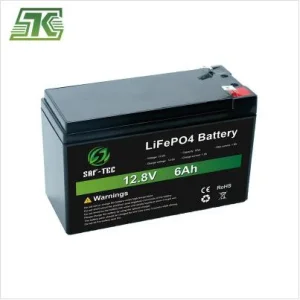
This exact design philosophy carries over to our specialized marine accessories. From heavy-duty galvanized trailers designed to haul luxury cruisers, to LiFePO4 battery modules built to power high-lumen underwater lighting systems during extended charters, our solutions leverage optimized US engineering and direct manufacturing control.
The technological forces shaping the future of underwater lighting and marine electronics.
Modern underwater lighting is shifting from simple wall switches to network-enabled control via Multi-Function Displays (MFDs). Top factories integrate CAN bus drivers compatible with NMEA 2000 and DMX512 standards, allowing captains to sync lights with sound, speed, or navigational protocols.
Instead of single-color LEDs, current market demands favor RGBW (Red, Green, Blue, Warm White) systems. Advanced light spectrum targeting helps select specific wavelengths that minimize marine bio-growth while offering higher optical clarity in murky coastal waters.
As LEDs yield higher lumens, heat dissipation increases. Leading factories design proprietary thermal protection modules (Active Thermal Rollback) that dynamically dim the LEDs if the light is turned on out of water, preserving chip life and preventing cracking of the boat's gel coat.
Optimizing technical specifications for distinct vessel environments and operating conditions.
Required Spec: Surface-mount or thru-hull configurations, high lumens (5,000+ lm), full DMX color integration.
Focuses on aesthetics, creating a clean "halo" glow around the hull. Lighting units must sit flush with the hull geometry to minimize drag coefficient and preserve hull hydrodynamics at high speeds.
Required Spec: Single-frequency Green light spectrum, optimized depth pressure ratings, high-efficiency passive cooling.
Green light penetrates saltwater more effectively, attracting phototactic baitfish and squid. Commercial systems prioritize raw lumen output and robust corrosion resistance over variable color changing options.
Required Spec: High intensity Cool White beams (6500K), heavy shock/vibration tolerance, immediate strobe signaling mode.
Essential for night missions, spotting submerged debris, and coordinating maritime rescues. Highly optimized thermal drivers ensure performance stability in turbulent sea state conditions.
Crucial metrics that global volume buyers must demand when sourcing from underwater boat light exporters.
Verify that components are fabricated from true 316L Stainless Steel or naval-grade bronze. Exporters should supply mill test certificates showing chromium and nickel percentages to avoid low-quality zinc alloys that dissolve within months in salt water.
Demand certified testing records showing IP68 or IP69K ratings. IP69K includes resistance to hot water jets under high pressure. Ensure the sealing gaskets are crafted from long-lasting fluorocarbon or high-performance synthetic rubber, not standard silicone.
Boat engine alternators create high electrical noise and voltage spikes. Exporters must employ internal drivers featuring wide input range DC protections (e.g., 9V-32V continuous input limits) to absorb transient voltage fluctuations.
Never accept acrylic lenses on thru-hull fittings. True commercial grade lights utilize chemically-strengthened, high-impact borosilicate glass or sapphire glass, which prevents bio-growth adhesion and scratching from sand.
Technical clarifications on sourcing, exporting, and implementing underwater marine lights.
Naval bronze is highly resistant to marine growth and does not suffer from oxygen-deprived crevice corrosion as stainless steel can when submerged long-term. However, stainless steel (316L) is generally preferred on aluminum and metal hull vessels to match metal compositions and minimize galvanic corrosion.
Exporters utilize multi-stage vacuum sealing and co-injection molding. By fusing the power cord directly into the structural housing using epoxy potting compounds, water is prevented from traveling down the inside of the wire jacket—the most common point of underwater LED failure.
Thru-hull installation requires cutting a hole through the vessel hull, allowing the driver wires to pass inside. This setup has the lowest drag profile but requires dry-docking to install or replace. Surface-mounted lights require only minor drill holes, but project further out from the transom, which makes them slightly more vulnerable to mechanical impacts.
Most OEM factories offer adjustable optics. A 60-degree focused spot beam is recommended for deep water mounting to penetrate depths, whereas a 120-degree flood beam is ideal for shallow transom mounting to construct a continuous illuminated curtain of light behind the yacht.
Discover the full scope of marine hulls, safety parts, high-capacity auxiliary batteries, and yacht accessories from our export factories.
 Green Boat