For maritime vessels, audio systems are not merely a leisure accessory; they are a vital asset for system notifications, crew communications, and passenger experience. Designing and exporting the top best waterproof boat speakers demands a profound understanding of materials science, environmental degradation mechanisms, and acoustic physics. In an open-water environment, speakers are subjected to harsh conditions that destroy standard audio hardware in weeks: salt-water corrosion, high-intensity UV exposure, extreme thermal shifts, and continuous structural vibrations.
As a leading marine component manufacturer and exporter, our engineering methodology treats acoustic enclosures and drivers with the same rigor as structural hull designs. By utilizing hydrophobic cone materials, UV-inhibited polymer blends, and specialized anti-corrosive metals, we deliver audio systems that retain their integrity across decades of sea trials and commercial service.
Our commitment to technical excellence is proven through standardized certifications and stress testing protocols:

Building a great boat or equipping it with premium marine components comes down to three core fundamentals: Time-honoured design, premium materials, and construction standardisation.
Our value goes beyond that of just a great product for a great price. As your complete marine resource, we bring together resources of the global marketplace—partnering with renowned German hull designers such as Klaus Filter, Australian engineering experts like Graeme King, the Flying Eagle Boat Company, and top business and engineering talents in the USA. WinTech Racing has created an organization dedicated to delivering top-tier performance on the water.
Whether you require state-of-the-art carbon-fiber racing shells, commercial utility vessels, or high-performance waterproof speaker systems, our design framework is unified: sustainable practices, rigorous R&D investment, and an optimized price-value relationship.
We are dedicated to expanding sustainable manufacturing processes. From selecting recyclable polymers for speaker housings to using clean resin infusion methods for boats, we prioritize eco-responsibility.
Our international R&D teams continually refine acoustics and composite hulls. We leverage computational fluid dynamics (CFD) and acoustic finite element analysis (FEA) to validate our systems.
By combining global engineering expertise with efficient production bases in China, we deliver the most competitive price-value ratio without sacrificing marine durability.
As we advance toward interconnected, autonomous, and zero-carbon vessels, boat entertainment and alert systems must transition from analog components to smart marine IoT hubs.
Future marine audio systems will run on decentralized NMEA 2000 smart networks. Our upcoming speaker configurations integrate internal sensor suites that monitor temperature, moisture accumulation, and voice-coil impedance levels. These diagnostics report directly to the vessel's primary helm screen, warning captains of structural issues before hardware failures occur.
High-speed speedboats and commercial catamaran survey boats generate significant wind and motor noise. Our next-generation engineering roadmap focuses on AI-driven acoustic profiling. Adaptive DSP algorithms process wind velocities and engine frequencies, modifying speaker acoustic outputs dynamically to retain crisp vocal frequencies and acoustic separation.
Aligned with Green's sustainable boat-building vision, we are replacing traditional fiberglass and virgin ABS plastics with flax-fiber reinforced composites and post-consumer recycled ocean plastics. This reduces carbon output by up to 40% while matching the rigidity and UV resistance of standard military-grade marine enclosures.
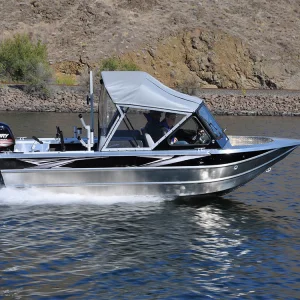
Custom engineering tailored to diverse vessel segments—ensuring durability, safety, and acoustic excellence across marine markets.
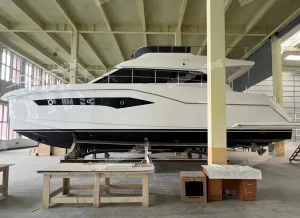
High-output audio installations designed to seamlessly blend into fiberglass bulkheads and flybridge overhangs. Integrated multi-zone RGB LED lighting control arrays synchronize with onboard yacht automation protocols, creating a luxury sensory environment.
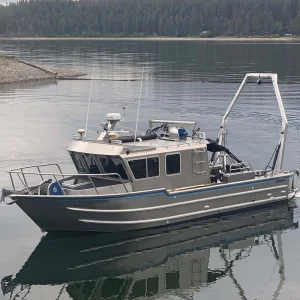
High-durability IP68 acoustic installations designed for high-salinity maritime environments. Used extensively on patrol pilots, rescue vessels, and hydrographic survey catamarans, ensuring clear alerts and emergency broadcasting capability.
Standardized structural form factors that fit standard cutouts on aluminum and fiberglass hulls. We provide customized CAD, step files, and electrical schematic documentation to support direct integration in ship production lines.
Our state-of-the-art production base in China represents the pinnacle of modern smart manufacturing. Integrating automation, data-driven IoT equipment, and deep supply chain logistics, we ensure production consistency, low manufacturing costs, and speed to market.
By using fully automated precision voice coil winding machines and robotic gasket dispensing systems, we minimize human-error deviations. Each batch of waterproof marine speakers undergoes extensive environmental simulation: vibration profile testing, thermal cycle mapping (-40°C to +80°C), and water pressure testing to confirm structural sealing. Our consolidated manufacturing campus houses vertical component production—from raw injection molding and driver assembly to final testing—protecting buyers from external raw-material bottlenecks.

Managing overseas supply chains requires strict quality controls, clear pricing, and reliable delivery times. Here is how we ensure seamless procurement for large enterprises.
We provide comprehensive material analysis sheets (MDS) and chemical compliance data for all components—including adhesives, plastics, and magnets. This guarantees full conformity with EU and North American chemical regulations.
From customized powder-coated aluminum grilles to silk-screened logos and bespoke packaging, we match our systems to your yacht brand's exact design guidelines.
Our long-term warehousing agreements and active component buffer programs protect our clients from global supply chain disruptions, ensuring consistent pricing over long-term contracts.
Ensuring our marine electronics comply with local maritime codes and technical certifications in international markets.
Our product development lifecycle follows ABS (American Bureau of Shipping), Lloyds Register, and DNV GL standards. We verify electrical parameters to prevent interference with communications gear.
All marine audio transceivers and active speaker circuits carry full CE, FCC, and RoHS certifications, allowing easy importation and sale in European and American retail markets.
We manage complex export processes, offering flexible shipping arrangements (FOB, CIF, DDP) and providing detailed customs documentation to streamline clearance processes.
Technical specifications, customization details, and logistics answers for global purchasers.
These ratings determine the speaker's resistance to moisture and dust ingress:
- IP65: Protects against low-pressure water spray from any direction. Suitable for cabin interiors or sheltered locations.
- IP66: Protects against high-pressure water jets and heavy seas. Essential for exposed helm decks or open cockpits.
- IP67: Withstands temporary submersion in water up to 1 meter for 30 minutes. Recommended for transoms, swim platforms, or low-mount bulwarks.
Standard speakers feature heavy magnetic fields that can disrupt compasses and autopilot sensors. Our marine speakers use shielded neodymium motor structures or bucking magnets. This minimizes magnetic leakage, allowing mounting within 1 meter of sensitive helm equipment.
We use ASA (Acrylonitrile Styrene Acrylate) or UV-treated ABS polymer blends for speaker housings, which provide better resistance to yellowing and cracking than standard plastics. Speaker cones are made from polypropylene or carbon-fiber composites with santoprene surrounds. Terminals are gold-plated or made from tinned brass to prevent oxidation.
For standard OEM branding, the MOQ is 500 units per model, with a lead time of 35 to 45 days. For custom designs requiring new injection tooling or custom grilles, lead times run 60 to 75 days, including design validation, prototyping, and environmental chamber testing.
 Green Boat