Canada boasts the longest coastline in the world, stretching over 202,080 kilometers, coupled with the vast inland waterway of the Great Lakes. This unique geography places Canada at the forefront of the global marine industry. From the bustling Port of Vancouver on the Pacific to the historic shipping lanes of the St. Lawrence River and the rugged Atlantic terminals in Halifax and St. John's, the demand for high-performance boat fenders has never been higher.
In the current industrial climate, Canadian maritime operations are shifting toward AI-integrated port management and sustainable infrastructure. As a leading boat fender factory and supplier in Canada, we recognize that traditional rubber bumpers are evolving. Modern Canadian ports now require fenders that can withstand extreme temperature fluctuations—from the humid summers of the Great Lakes to the sub-zero, ice-heavy winters of the North. Our products are engineered with reinforced materials to ensure they remain flexible and resilient even in -40°C conditions, a critical requirement for any supplier serving the Canadian Arctic or Northern Quebec regions.
The transition toward "Green Ports" is a major trend in Canada. This includes the use of recyclable marine-grade EPDM and low-impact pneumatic systems that reduce the carbon footprint of port maintenance. Furthermore, the rise of autonomous shipping and smart docking systems in Canada has led to the development of fenders equipped with pressure sensors, providing real-time data to captains and port authorities to prevent berthing accidents.

Proof is in the performance: Building a great boat and protecting it comes down to three core fundamentals: Time-honoured design, premium materials, and construction standardisation. As a premier supplier, our value goes beyond that of just a great product for a great price.
Your complete marine resource: We understand that no single purchase is more important to a marine organization than buying protection systems that guarantee vessel safety. Our racing shell heritage translates into the precision engineering of our boat fenders.
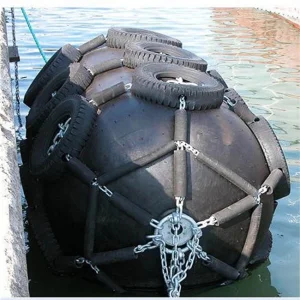
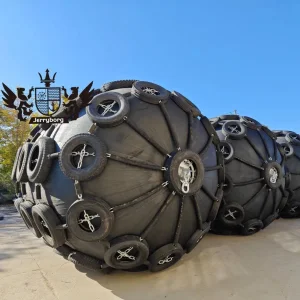
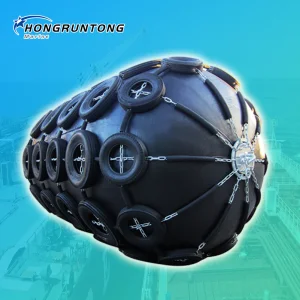
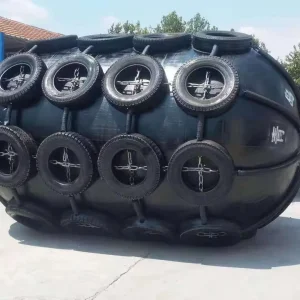
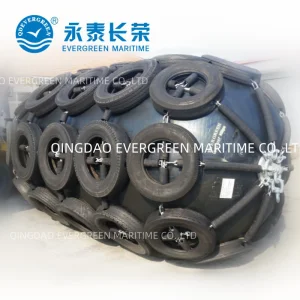
In the Port of Montreal and Vancouver, Ship-to-Ship (STS) transfers are daily occurrences. Our ISO17357 Yokohama Fenders are the gold standard for these high-energy operations, absorbing massive kinetic energy while protecting hull integrity.
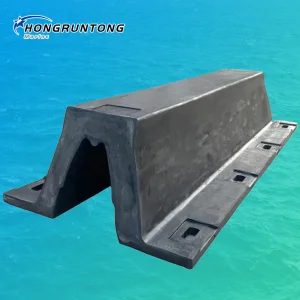
The Canadian Coast Guard requires rugged, dependable fender systems for search and rescue vessels. Our W-Type and M-Type rubber fenders are designed for tugs and workboats that face the harshest Atlantic swells.
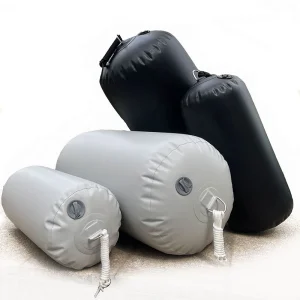
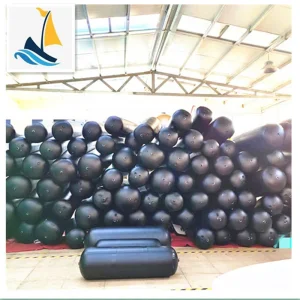
From the Thousand Islands to the Okanagan Valley, Canadian boaters trust our PVC Inflatable Fenders and EVA Foam Filled Fenders to protect their luxury yachts from dock rash and rough marina berthing.
Drawing on the combined expertise of US engineering and German and Australian design, we craft exceptional marine products that set new standards for performance and durability. Our unwavering commitment to sustainability, affordability, and innovation drives us to propel the marine industry into a more inclusive and exciting future.

When searching for a boat fender factory, proximity and local expertise matter. Buying from a supplier that understands the Canadian regulatory environment—including Transport Canada safety standards and environmental protections—ensures your port or vessel is compliant. Our fenders are not only designed for impact but also for longevity against high UV exposure during Canadian summers and the abrasive nature of freshwater and saltwater transition zones.
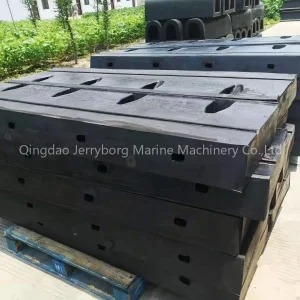
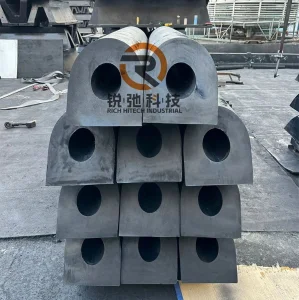
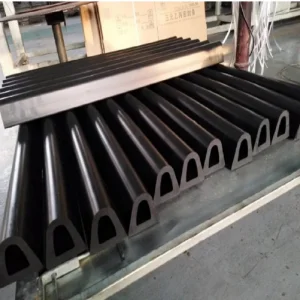
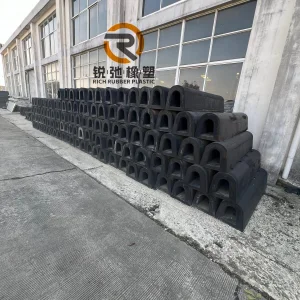
Our pneumatic fenders utilize high-tensile synthetic-tire-cord layers, a technology refined for the heavy industry sectors of Alberta and Ontario. This ensures that even under extreme compression, the fender maintains its structural integrity. For smaller docks in British Columbia or the Maritimes, our D-shaped and V-shaped extruded rubber bumpers provide a low-maintenance, cost-effective solution for permanent dock protection.
The next decade of boat fender technology in Canada will be defined by bio-based elastomers and smart monitoring. As a forward-thinking factory, we are already testing fenders that can communicate with port AI systems to optimize berthing speeds and angles. This reduces wear and tear on both the fender and the dock infrastructure, significantly lowering long-term operational costs for Canadian port authorities.
 Green Boat