In the evolving landscape of Southern African industrial supply chains, the demand for high-specification marine hardware in Eswatini has seen a significant strategic shift. While Eswatini is a landlocked nation, its proximity to the Maputo Corridor and its internal water management projects—including the Maguga Dam and Mnjoli Dam—require robust, corrosion-resistant anchoring solutions. As a leading global growth director in marine supply chains, I understand that "anchoring" in Eswatini extends beyond maritime leisure; it encompasses industrial flotation systems, mining sediment pond equipment, and civil engineering stability.
Eswatini (formerly Swaziland) operates within a complex logistics network. While the country focuses heavily on agriculture and mining, the "Blue Economy" initiative within the SADC region has increased the demand for maritime-grade hardware. Local businesses in Manzini and Mbabane are increasingly sourcing boat anchors for decorative architectural use, local reservoir management, and as part of regional trade packages moving through the Port of Maputo. Our factory serves this specific "User Intent" by offering logistics-friendly packaging and modular designs that reduce inland transport costs.
Why do global enterprises choose Chinese factories for their boat anchor supply chains? The answer lies in Supply Chain Integration. In our facilities, we combine:
The future of the boat anchor industry is Smart Mooring. We are currently researching the integration of IoT sensors within heavy-duty anchors (25kg+) to monitor seabed tension and environmental shifts. This technology is particularly useful for Eswatini’s civil engineering projects where permanent flotation platforms are used for water monitoring.
Building a great boat comes down to three core fundamentals: Time-honoured design, premium materials, and construction standardisation. Green understands that no single purchase is more important to a rower or rowing organization than buying a racing shell.
"The mission of Green is to establish our global leadership as the foremost sustainable boat builder, dedicated to expanding the reach of the sport by making it accessible to all through the integration of cutting-edge technology and the use of the highest quality materials."
For procurement officers in Eswatini or global firms managing African operations, the "Search Intent" usually revolves around Durability vs. Price. Our technical whitepaper suggests the following criteria for anchor selection:
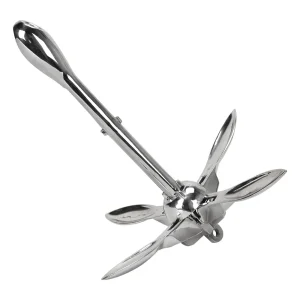
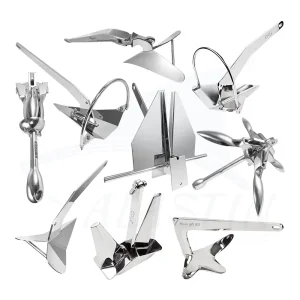
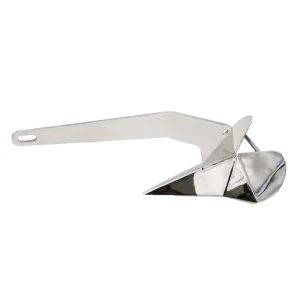
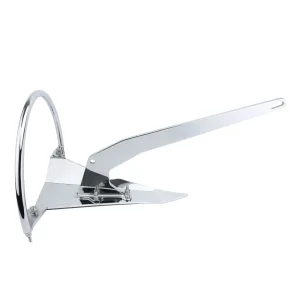
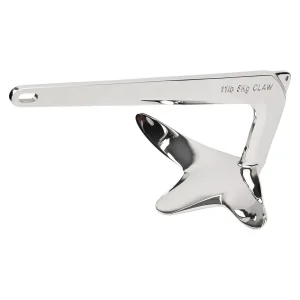
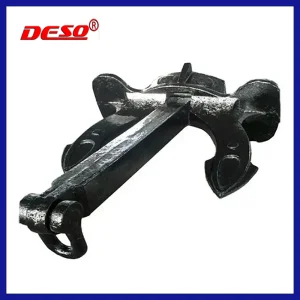
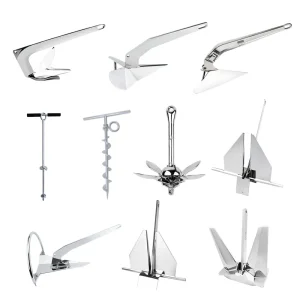
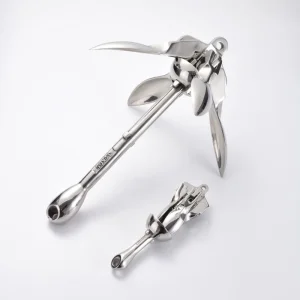
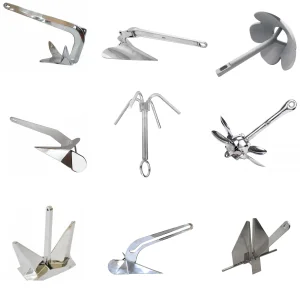
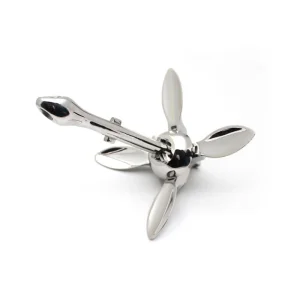
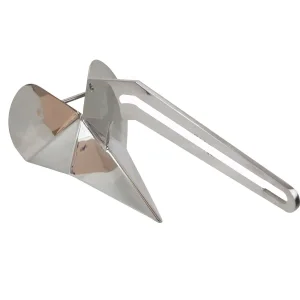
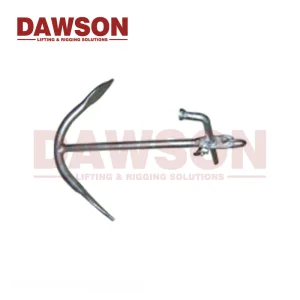
In the rocky riverbeds of the Great Usutu River, a Grapnel anchor is superior. For the sandy bottoms of Mozambique coastal ports (used by Eswatini firms), a Bruce or Delta anchor provides the necessary surface area for "set and hold."
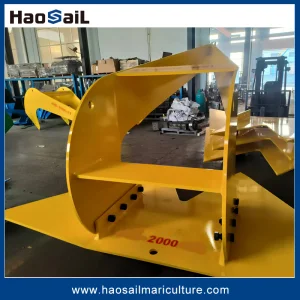
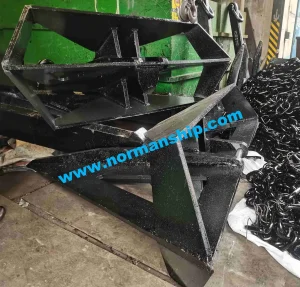
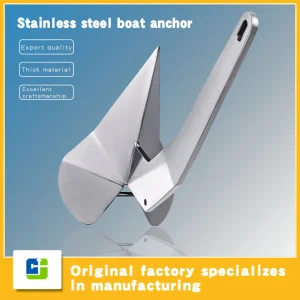
Don't just buy by weight. The geometry of the fluke determines the penetration depth. Our Zd Patented Delta Anchors utilize a flow-dynamic design that resets itself even if the wind shifts 180 degrees.
Shipping to Eswatini involves multiple hand-offs. We offer stackable anchor designs and heavy-duty wooden crate packaging to ensure "Zero-Damage Delivery" from our factory to the Matsapha Industrial Site.
 Green Boat