High-efficiency, durable boat and ship fenders engineered for European river and port operations.
Comprehensive market analysis, local applications, manufacturing excellence, and future trends for boat fenders.
Cologne (Köln) stands as a monumental economic and logistics pillar along the Rhine River in Germany. As a vital inland port metropolis, Cologne's commercial vitality relies heavily on robust maritime transport, commercial barge traffic, tugboat operations, and recreational yacht marinas. The unique geographical and hydrological conditions of the Lower and Middle Rhine—characterized by strong seasonal currents, variable water levels, and intensive commercial freight traffic—demand exceptionally high-performance boat fenders and marine dock bumpers.
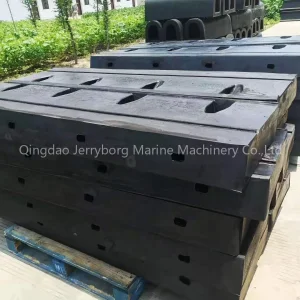
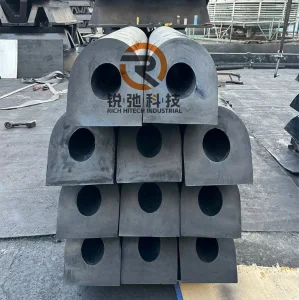
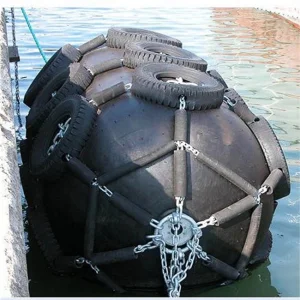
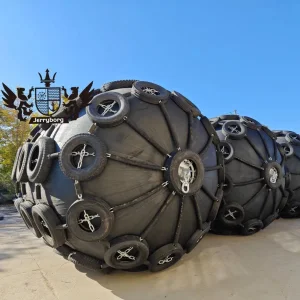
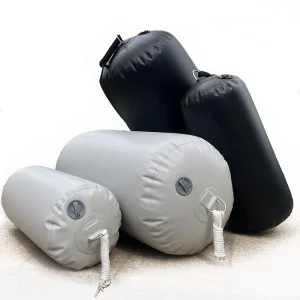
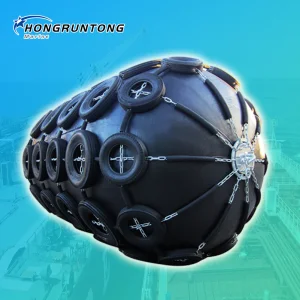
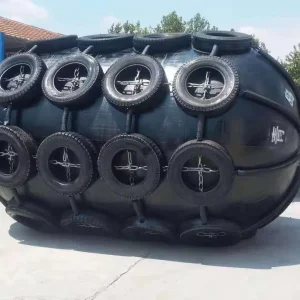
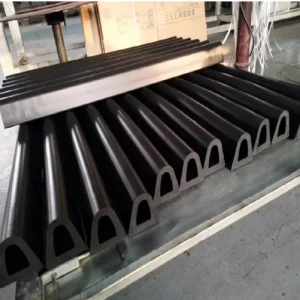
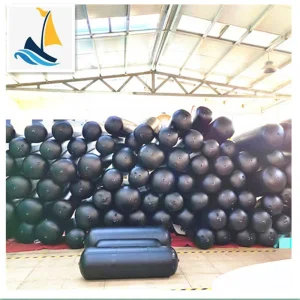
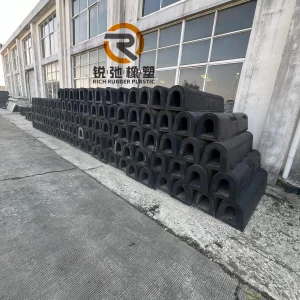
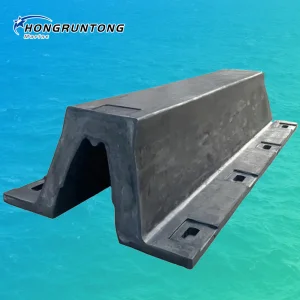
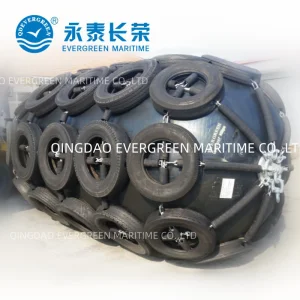
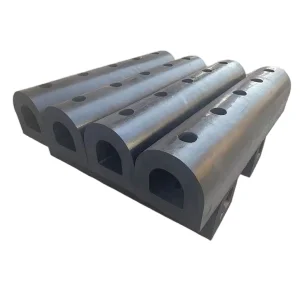
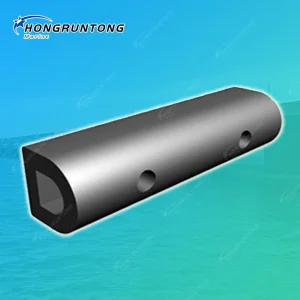
Local port authorities, terminal operators, and commercial fleet owners in Cologne face rigorous European safety standards and environmental regulations. Protecting berthing structures, quay walls, lock entrances, and high-value vessels against frequent kinetic impacts requires advanced elastomeric engineering. From heavy-duty pneumatic fenders used in ship-to-ship (STS) transfer operations to modular D-type and V-type rubber fenders installed along concrete docks, the requirement for reliable, certified marine protection has never been more critical.
On a global scale, the marine fender manufacturing industry is undergoing a digital and material transformation. Driven by the expansion of global trade, port modernization initiatives, and stringent international safety codes (such as PIANC guidelines and ISO certifications), port engineers and vessel operators are shifting away from generic commodity bumpers toward engineered, application-specific solutions. Procurement managers now prioritize lifetime value, energy absorption capacity, reaction force metrics, and environmental sustainability.
Key procurement demands from European and global enterprises include:
As a leading manufacturing base, Chinese industrial factories have achieved world-class status in the production of marine rubber fenders and dock protection systems. By integrating advanced vulcanization technology, automated mixing systems, and rigorous internal quality control laboratories, top-tier Chinese manufacturers deliver products that match or exceed Western performance benchmarks while maintaining unmatched cost competitiveness.
The core advantages of partnering with established Chinese boat fender manufacturers include:
Understanding the precise operating environment in Cologne helps specifiers choose the correct fender category:
Looking forward, the marine fender sector is embracing smart port technologies. Innovations such as embedded strain sensors within rubber fenders to monitor impact force in real-time, biodegradable elastomer coatings, and RFID-tagged maintenance tracking are revolutionizing asset management. Suppliers serving the Cologne market must align with these smart infrastructure trends to deliver future-proof solutions.
Explore our complete range of certified marine rubber fenders, pneumatic bumpers, and dock accessories.
Advanced architectural and floating fender solutions for extreme marine service conditions.
Expert insights on sourcing boat fenders for the Cologne and European markets.
For commercial barges, tugs, and heavy-duty port quays in Cologne, high-absorption pneumatic fenders (ISO17357 compliant) and robust V-type or M-type rubber fenders are recommended due to their superior kinetic energy capacity and durability against strong river currents and heavy impacts.
Direct sourcing from certified Chinese manufacturers provides exceptional cost-efficiency (30%–50% savings) without compromising quality. Top factories utilize advanced vulcanization, strict ISO quality standards, and provide complete material test certifications required by European engineering codes.
Yes, full customization is available. Manufacturers can produce custom lengths, pre-drilled bolt holes, specialized steel face panels, and supply complete accessory kits including chains, shackles, and anchor bolts tailored to existing quay structures.
Standard production typically ranges from 15 to 30 days depending on order volume and customization. Ocean freight to major European ports (such as Rotterdam or Antwerp) takes approximately 30-35 days, followed by inland barge or truck transport directly to Cologne.
 Green Boat