Engineered for high-humidity, inland freshwater vessels, and commercial fisheries operating in Rwanda's unique high-altitude environments.
Rwanda, a landlocked nation located in East Africa, has turned its extensive inland water bodies into vital trade corridors and commercial hubs. Lake Kivu, one of the African Great Lakes, serves as the geographical boundary between Rwanda and the Democratic Republic of the Congo (DRC). Key lake transport ports such as Rubavu (Gisenyi), Karongi (Kibuye), and Rusizi (Cyangugu) rely heavily on stable marine transportation, security patrols, and high-intensity illumination systems.
Simultaneously, the commercial extraction of methane gas from the depths of Lake Kivu (projects like KivuWatt) has mandated strict safety requirements for marine operations. Workboats, security vessels, extraction platforms, and logistics barges require specialized, explosion-proof, corrosion-resistant lighting fixtures designed to operate safely in volatile chemical and damp environments.
Additionally, the traditional night-fishing sector for *Limnothrissa miodon* (locally known as Isambaza) plays a massive role in Rwanda's local economy. Safe, efficient LED marine lighting has replaced hazardous kerosene lamps, minimizing fire risks on wooden boats, improving catch yield, and drastically reducing operating costs for local cooperatives.

Tropical climates and unique freshwater compositions demand structural and chemical innovations in lighting fixtures.
Rwanda experiences long rainy seasons. Moisture penetration is the primary cause of driver failure in marine LED fixtures. Our range features double-sealed housing, anti-condensation vents, and silicon-rubber gaskets to guarantee true IP67/IP68 ingress protection under torrential downpours.
Lake Kivu's deep waters are saturated with high concentrations of dissolved carbon dioxide, methane, and trace hydrogen sulfide (H₂S). Our marine lights utilize high-purity aluminum alloys treated with electrophoretic paint finishes to prevent chemical oxidation and galvanic corrosion.
Vessel electrical generators and off-grid power grids in regional landing ports often experience severe voltage drops and surges. Integrated driver systems support wide input voltages (12V/24VDC, 90-305VAC) with advanced 6kV-10kV surge protectors to secure hardware longevity.

Proof is in the Performance
As a global boat lighting factory and exporter serving the Rwanda market, we understand that reliability under dark, high-risk lake conditions defines safety. Our value goes far beyond just a high-quality product at a highly competitive wholesale price. We strive to offer a comprehensive, long-term procurement resource for shipbuilders, local governmental fishery fleets, and heavy industrial companies.
"Our mission is to establish global leadership as the foremost sustainable marine lighting supplier, dedicated to enhancing the safety of inland waterways by integrating cutting-edge thermal dynamics, certified explosion-proof standards, and energy-efficient light engines. Leveraging global resources, including German optical optimization, US electrical engineering, and robust manufacturing facilities, we deliver high-performance lighting that stands up to the harshest environmental challenges."
We are fully committed to helping Rwandan procurement departments navigate import regulations, transport logistics, and system customizations, ensuring aftercare services to maximize project lifespans.
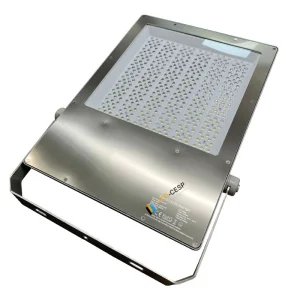
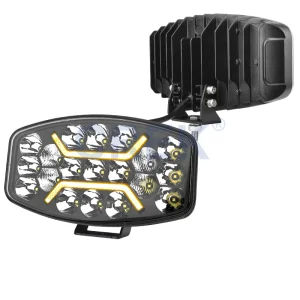
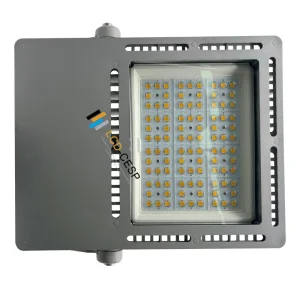
Heavy-duty, IP67 and explosion-proof lights configured for dock development, search and rescue, and hazardous gas zones.
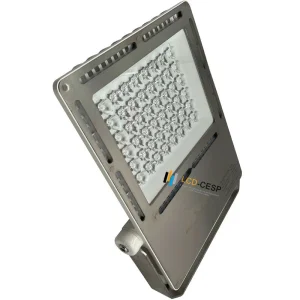
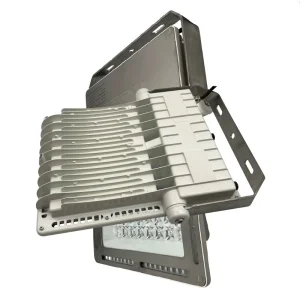
Sourcing marine lighting requires adherence to both regional standards and demanding physical performance specs.
Deploying lighting electronics on industrial vessels in landlocked water networks such as Lake Kivu and Lake Victoria (via Kagera river shipping links) demands adherence to strict structural standards. As experienced manufacturers, our technical designs satisfy international maritime protocols alongside regional directives:
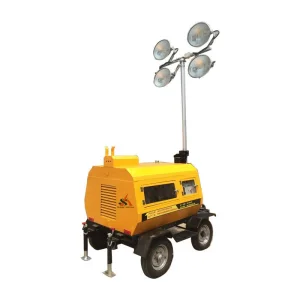
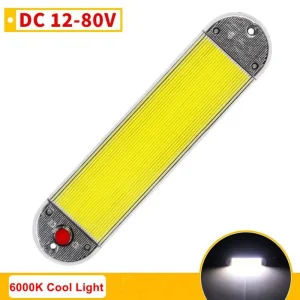
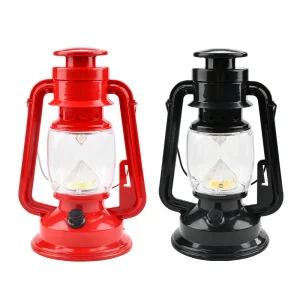
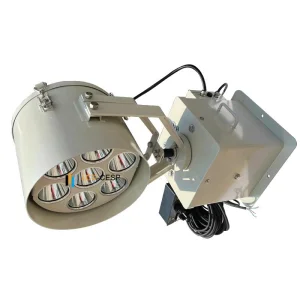
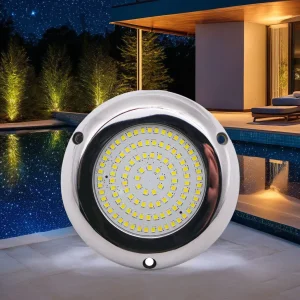
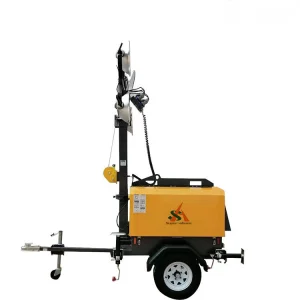
A full portfolio ranging from internal cabin LED strips to high-intensity heavy diesel light towers for industrial port development.
Direct answers regarding custom design, logistics, environment resistance, and wholesale transactions.
Rwandan orders are exported via two primary corridors: the Northern Corridor (arriving at Mombasa Port, Kenya, and transported overland via Uganda to Kigali) or the Central Corridor (arriving at Dar es Salaam, Tanzania, and transported overland). Lead times for custom factory production range between 15 to 25 days, with overland transit taking approximately 12 to 20 days. We provide comprehensive export documentation, including packing lists, commercial invoices, and PVoC certificates for smooth customs clearance.
Yes. Many fishing boats and commercial barges operate on fluctuating DC generators (12V/24V) or unstable portable generators (220V). Our marine lights utilize high-efficiency drivers with broad input voltage limits (90-305V AC and 12-32V DC). They feature integrated safety parameters to absorb electrical noise, reverse polarity, and voltage surges up to 10kV.
Lake Kivu has high levels of dissolved CO₂ and hydrogen sulfide (H₂S) gases, particularly near industrial methane extraction sites. Normal, untreated aluminum lights oxidize rapidly in this environment. Our factory uses marine-grade anodized aluminum (6063/6061) coated with specialized corrosion-resistant electrostatic powder coatings. This ensures a stable barrier against sulfuric and carbonic acid corrosion.
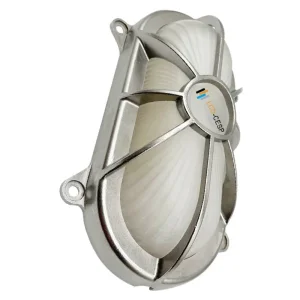
Any marine vessel or rig operating within hazardous methane gas zones on Lake Kivu must comply with explosion-proof safety codes. We produce Explosion Proof LED lamps (like our 40W Bulkhead series) certified to ATEX Zone 1 & Zone 2, Ex d e IIC T6 Gb rating, which prevents internal electrical sparks from escaping and igniting environmental gases.
Yes, we do. High-intensity LED spotlights with dedicated color temperatures (from 4000K warm-neutral to 6000K cool-white) are optimized for depth penetration. We customize beam optics (from narrow 8-degree spot beams to wide 90-degree floodlights) to help fishing cooperatives efficiently attract fish to the surface while maintaining low power consumption.
A peek into the engineering advancements ensuring long-term value for African inland maritime ventures.
As maritime activities across the East African Community (EAC) scale up, we are constantly upgrading our product designs to stay ahead of regional challenges. Our future technology roadmap prioritizes several key areas:
 Green Boat