 Green Boat
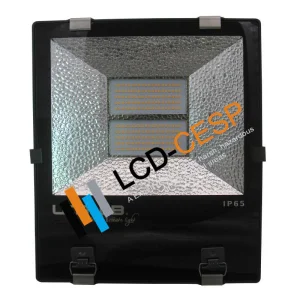
Engineered with high lumen efficiency, IP67 protection, and precision optical designs specifically optimized for safety, search, and navigation in Takamaka waters.
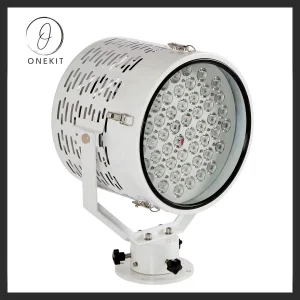
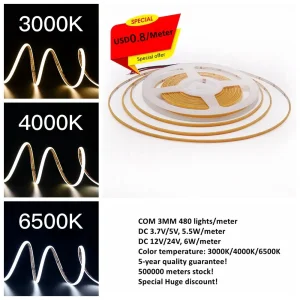
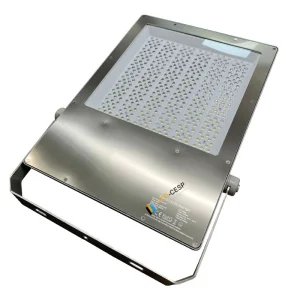
An analytical evaluation of engineering parameters, galvanic isolation, thermal dynamics, and optical systems required for high-humidity coastal zones.
Located on the southern tip of Mahé Island, the district of Takamaka represents a unique junction of maritime activities. From artisanal fishing operations targeting demersal resources to the transit of high-end yacht charters exploring the southern outer islands, marine vessels operating out of this region face some of the most unforgiving environmental conditions globally. High ambient temperatures averaging 30°C, relative humidity levels regularly exceeding 85%, and extreme UV indices place immense physical stress on boat components, particularly electrical and illumination hardware.
Reliable commercial boat lighting is not merely a utility; it is critical infrastructure for safety, local commerce, and navigation. Inefficient lighting units lead to early thermal decay and structural ingress, forcing vessels into costly dry dock cycles. To guarantee long-term operational resilience, suppliers and exporters must deliver lighting solutions that account for these intense equatorial realities.
Deploying Marine Grade Anodized Aluminum 6063 with dual-layer powder coating to neutralize galvanic degradation from continuous salt-spray exposure.
Integrated drivers protecting against voltage spikes, fluctuations, and electromagnetic interference (EMI) typical of auxiliary shipboard generators.
Advanced passive cooling heat sinks designed to prevent junction temperature build-up, maintaining LED efficiency up to 150 lm/W.
Standard outdoor lighting fails rapidly when introduced to the Indian Ocean. The chemical combination of high-salinity air, moisture condensation, and temperature cycles causes corrosion and seal fatigue. Modern exporters must standardize on materials like 316 Stainless Steel brackets, optical-grade polycarbonate lenses that do not yellow under high UV, and vacuum-sealed gaskets that achieve IP67, IP68, or even IP69K ratings. Incorporating hydrophobic breathing vents is critical; these vents allow air to move inside and out as temperatures shift, stopping vacuum pressure from pulling moisture through seals.
Furthermore, structural vibration during vessel operation—especially in diesel-powered trawlers and high-speed patrol craft—demands heavy-duty mechanical mounting. Products built for Takamaka's commercial vessels feature robust shock mounts and silicone-potted electronics to isolate delicate circuit paths from vibrational fatigue.
Procuring industrial maritime gear for projects in Seychelles requires coordination across logistics, regulatory steps, and engineering reviews. International buyers focus on lifecycle value rather than just initial purchase costs. Selecting high-durability LEDs reduces ongoing maintenance, fuel consumption (by lowering alternator loads), and replacement cycles. Exporters must ensure their shipping and documentation systems match the clearance rules of Port Victoria, making transition, import duties, and certification tracking straightforward for the end user in Takamaka.
Specifically developed for off-road support, fishing operations, and navigation. Engineered to handle high vibrations and extreme sea conditions.
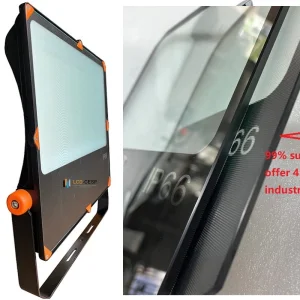
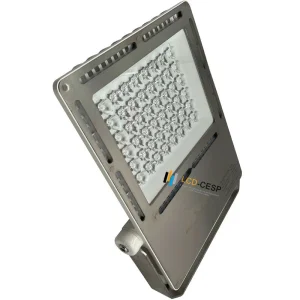
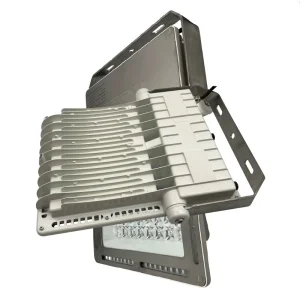
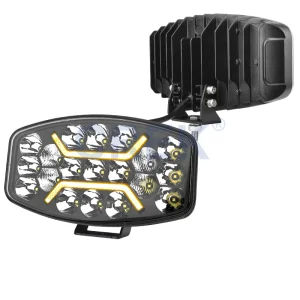
Building a great boat or outfitting it with industrial-grade systems comes down to three core fundamentals: Time-honoured design, premium materials, and construction standardisation. Our value goes beyond that of just a great product for a great price. We represent a complete maritime resource designed to elevate user safety and performance.
By bringing together the resources of the global marketplace in renowned German hull designers Klaus Filter, Graeme King, the Flying Eagle Boat Company, and a group of business, engineering, and rowing talents in the USA, WinTech Racing has created an organization dedicated to driving structural performance, technological integration, and elite outfitting options.


The transition from legacy halogen/HID setups to solid-state LED systems on industrial vessels has entered a smart phase. Next-generation systems will incorporate dynamic color temperature shifting, enabling marine crews to adjust output from 6000K (ideal for clear night search operations) to 3000K (optimized to penetrate dense coastal fog and water droplets during equatorial monsoons). High-frequency pulse width modulation (PWM) dimming will prevent glare on marine navigation displays and instrumentation, reducing operator fatigue.
Additionally, modern vessel designs increasingly integrate high-efficiency solar battery setups. Because deck lighting and remote searchlights are significant draws on off-grid power systems, our development roadmap prioritizes driving efficiency beyond 160 lm/W. This ensures maximum visibility while maintaining low current draw, allowing long-term operations without depleting starter battery reserves.
All items shipped to clients in Takamaka and the wider Indian Ocean region meet strict maritime standards. Our designs comply with relevant sections of standard IEC 60092 (Electrical installations in ships) and undergo extensive quality testing in specialized laboratories. This testing includes:
From auxiliary power units to explosion-proof components, explore our comprehensive range of certified marine hardware.
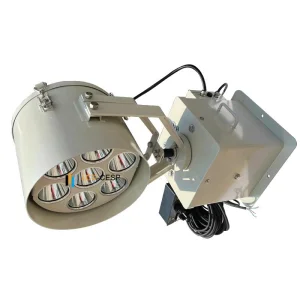
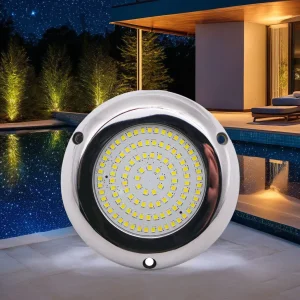
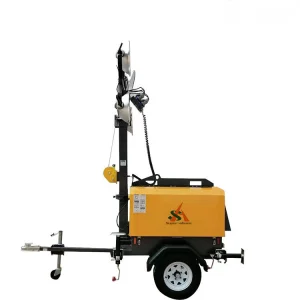
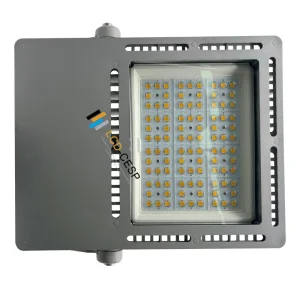
Expert technical responses to common questions regarding boat lighting specifications and installation in the Indian Ocean.
316 stainless steel contains molybdenum, which significantly enhances resistance to chloride corrosion compared to standard 304 stainless steel. In the tropical, high-salinity marine environment of Takamaka, this addition prevents pitting corrosion and structural failure of lighting supports.
Auxiliary generators on commercial fishing trawlers and workboats often produce voltage surges when heavy machinery starts. Our LED drivers feature wide-voltage input capabilities (e.g., 90-305VAC or 12V-32VDC) and integrated surge protection devices (SPD) to isolate the LEDs and maintain consistent output.
Narrow beam optics concentrate light output into a tight, focused column, maximizing the useful range of the light. This layout allows crews to identify debris, reefs, and vessels at greater distances under low-visibility conditions.
For cabins exposed to tropical humidity, we recommend using high-quality waterproof sleeves (IP65 or IP67 ratings) rather than standard IP20 interior tapes. This protects the circuit traces from corrosion and premature yellowing caused by high moisture levels.