Engineered for high salinity, intense sun exposure, and demanding rental cycles on the Adriatic coast.
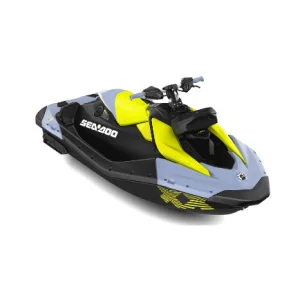
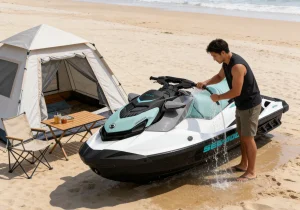
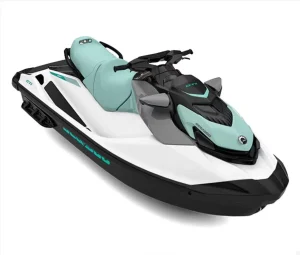
Montenegro's Adriatic coastline, spanning from the steep fjord-like Bay of Kotor to the vast beaches of Ulcinj, has emerged as one of the fastest-growing luxury maritime hubs in Southern Europe. High-end developments like Porto Montenegro, Luštica Bay, and Portonovi have repositioned the nation from a transit destination to a primary homeport for superyachts. This transformation has radically altered the requirements for Personal Watercraft (PWC) and jet skis. No longer are they merely seasonal beach rental units; they are now critical assets for superyacht tenders, luxury charter fleets, and water-sports clubs demanding maximum uptime, robust build standards, and aesthetic integration.
For commercial operators in Budva, Tivat, and Herceg Novi, the operating environment poses unique challenges. The Adriatic Sea presents high salinity levels and rapid temperature fluctuations. Traditional recreational watercraft often succumb to rapid hull wear and cooling system corrosion within two seasons. Consequently, fleet buyers require deep-engineered hulls, closed-loop cooling systems (CLCS), and corrosion-resistant impellers that can withstand intensive 8-hour daily run times throughout the peak Mediterranean tourist season (May to October).
In B2B maritime procurement, the heart of the purchasing decision lies within the propulsion architecture and material science. We optimize our watercraft to leverage two main technological paths:
A. Advanced Four-Stroke Marine Engines: Utilizing closed-loop cooling systems (CLCS) rather than open-loop systems that draw raw salt water directly into the engine block. The CLCS uses a heat exchanger built into the ride plate, keeping the engine operating at optimal thermal thresholds and completely isolating critical internal combustion components from the corrosive effects of Adriatic salt water.
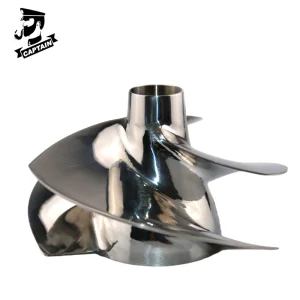
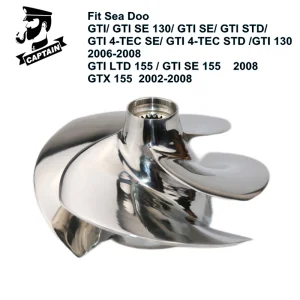
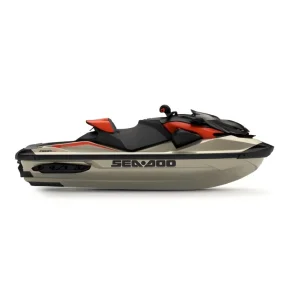
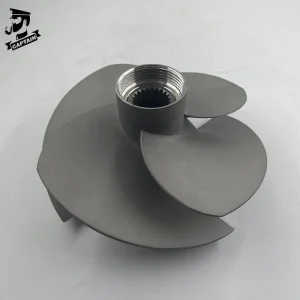
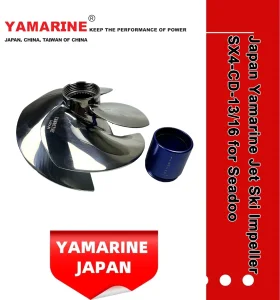
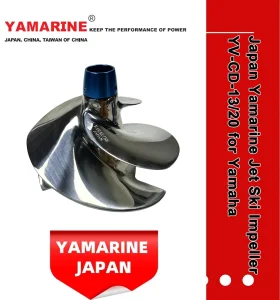
B. Precision Impeller Geometries: The efficiency of a Jet Ski is heavily dependent on the impeller pitch and surface finish. For Yamaha Waverunner GP1800 and Sea-Doo RXP-X platforms, we offer aftermarket replacements like the Yamarine Yv-CD-13/20 and YS-CD-13/19. These impellers feature custom progressive-pitch designs (13/19 and 13/20) cast from high-tensile, marine-grade duplex stainless steel. By reducing cavitation, these impellers deliver higher top-end speeds and smoother thrust transition, which translates into lower fuel consumption for commercial rental operators.
Cavitation & Impeller Lifespan: In high-salinity waters, microscopic cavitation bubbles can erode stainless steel impellers in under 150 hours of operation. Our factory-treated impellers utilize a proprietary micro-peening process to increase surface hardness, extending operational life by up to 45% under continuous commercial duty.

Proof is in the performance
Building a great boat comes down to three core fundamentals: Time-honoured design, premium materials, and construction standardisation.
Value redefined
Our value goes beyond that of just a great product for a great price.
Your complete rowing and watercraft resource
We’ll happily come to you if you’d like to try a boat, provide you with flexible finance and rental options, and comprehensive aftercare and maintenance services to maximise the efficiency and performance of your boats for now and for the future.
Green understands that no single purchase is more important to a commercial operator or water sports organization than buying high-performance marine shells and PWCs.
"The mission of Green is to establish our global leadership as the foremost sustainable boat builder, dedicated to expanding the reach of the sport by making it accessible to all through the integration of cutting-edge technology and the use of the highest quality materials. Drawing on the combined expertise of US engineering and German and Australian design, we craft exceptional racing shells and PWCs that set new standards for performance and durability. Our unwavering commitment to sustainability, affordability, and innovation drives us to propel the sport of rowing and maritime leisure into a more inclusive and exciting future, where excellence knows no boundaries."
By bringing together the resources of the global marketplace in renowned German hull designers Klaus Filter, Graeme King, the Flying Eagle Boat Company, and a group of business, engineering, and rowing talents in the USA, WinTech Racing has created an organization dedicated to:

For B2B buyers looking to scale a fleet of commercial rental units or custom personal watercraft in Montenegro, sourcing directly from a Factory 4.0 hub in China provides immense competitive advantages. Modern Chinese marine manufacturing has transitioned from simple assembly to fully automated fabrication processes. In our facilities, we utilize CNC (Computer Numerical Control) machines for precision impeller carving, robotic layup systems for consistent FRP thickness, and automated pressure testing chambers to ensure that every hull is free of micro-fissures before shipment.
By integrating German hydrodynamic designs with automated raw material procurement pipelines, we stabilize supply costs even amid raw material price fluctuations. In practice, this means we can construct a hull with 30% higher structural strength using advanced vacuum-assisted resin infusion (VARI) processes, while reducing weight by 15% compared to hand-laid fiberglass hulls. This dual advantage of lower weight and higher durability translates directly into better acceleration, reduced fuel burn rates, and easier towing/launching operations on the Montenegro docks.
Deploying jet skis in European waters requires strict adherence to regulatory standards. In Montenegro, watercraft must meet the requirements of the EU Recreational Craft Directive (RCD II - Directive 2013/53/EU), which dictates exhaust and noise emission limits. Sourcing from our certified factories guarantees that all products arrive with full CE documentation, compliant declaration of conformity certificates, and complete technical documentation ready for registration with the Montenegrin Maritime Safety Department (Uprava pomorske sigurnosti i upravljanja lukama).
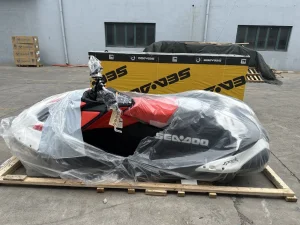
Our logistical routes to Montenegro are optimized for speed and cost-effectiveness. Cargo containers are shipped from primary manufacturing ports (Ningbo and Shenzhen) directly to the Port of Bar (Montenegro) or via the port of Koper (Slovenia) for rapid customs clearance and cross-border transport. By standardizing packaging methods—using heavy-duty steel rack crates with moisture-absorbent polymer wraps—we ensure that every PWC arrives at your facility in pristine condition, completely protected from salt fog exposure during transit.
Heavy-duty solutions engineered for commercial charter businesses and elite resort rentals in Tivat, Kotor, and Budva.
Sourcing jet skis for commercial fleets in Southern Europe demands a strategic view of import duties, logistics routes, and supply chain timelines. In Montenegro, businesses operating within tourist zones or yacht marinas can often leverage tax-free zones or local corporate import incentives to offset the standard customs duties. When importing from a factory in China, the total cost of ownership (TCO) is substantially lower than purchasing through domestic European distributors. By buying in container quantities (typically 4 units per 20ft container or 8-12 units per 40ft HQ container), shipping fees are distributed, saving up to 35% compared to local retail procurement.
Furthermore, parts support represents the lifeblood of B2B relationships. Every hour a jet ski remains inoperable during the busy rental season translates to significant revenue loss. Sourcing from an integrated factory means access to complete spares inventories—ranging from custom wear rings and mechanical seals to complete engine overhaul kits and ECU components. Our factories provide dedicated spares kits with every bulk purchase, allowing local repair shops in Tivat and Budva to execute preventative maintenance and keep fleets running with minimal disruption.
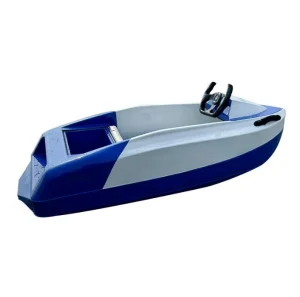
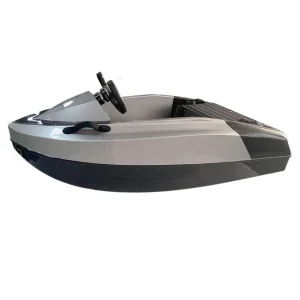
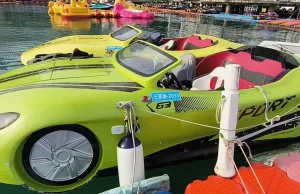
Two distinct trends are reshaping tourist preferences in the Adriatic: customized high-profile craft, such as the Ferrari-style Jet Car Boat, and the transition toward Electric PWCs. The Jet Car concept combines the driving interface of a high-performance sports car with the water-jet propulsion system of a PWC, providing a stable, premium experience for visitors who want the thrill of a jet ski with more space and a unique photo opportunity. We produce these custom molds utilizing marine-grade FRP (Fiber-Reinforced Plastic) with high UV-resistance gelcoats that resist fading in the intense Mediterranean sun.
Simultaneously, the demand for emission-free zones—especially in sensitive historical waters like the inner Bay of Kotor—has accelerated the adoption of electric jet skis. The Admitjet Electric Jetski offers a preview of this zero-emission future, combining robust battery packs with highly efficient electric propulsion systems. Electric PWCs reduce operating costs by eliminating fuel requirements and simplifying mechanical maintenance, offering a sustainable alternative that matches EU green maritime standards.
Expert answers addressing customs, technical maintenance, performance specs, and commercial shipping.
Montenegro is not yet an EU member, but it applies similar trade alignments. Standard import duties on recreational watercraft range between 2% and 5% depending on the exact HS Code (typically 8903). Additionally, the standard VAT rate of 21% applies unless the watercraft is registered for commercial use under specific maritime charter licenses or within designated duty-free zones like the Porto Montenegro custom agent warehouse, which allows for deferrals or exemptions.
The Adriatic Sea features high salinity levels (around 38 PSU). Open-loop cooling systems draw this salt water directly into the engine block, where heat causes salt to crystallize and scale inside the cooling passages. This leads to hot spots, corrosion, and eventual engine failure. A Closed-Loop Cooling System (CLCS) uses a dedicated internal coolant (antifreeze) that flows through the engine block, exchanging heat via a closed ride plate heat exchanger. This isolates the internal engine components from salt water, dramatically increasing durability.
Standard production lead times for bulk orders (e.g., 5 to 10 units) range from 20 to 30 days. Shipping transit time from Ningbo or Shenzhen port to the Port of Bar in Montenegro typically takes 35 to 45 days. In total, buyers should plan for a 60-to-75-day turnaround from contract signing to port delivery. We recommend placing orders by January to ensure delivery before the Mediterranean charter season begins in May.
Yes, all our personal watercraft designed for European destination markets comply with the EU Recreational Craft Directive (2013/53/EU). Our products undergo strict emission and noise certification processes to secure CE approval. Every unit is dispatched with a Declaration of Conformity and a corresponding Hull Identification Number (HIN) plate, enabling seamless registration with local maritime authorities in Montenegro.
Yes. Impeller pitch optimization is a key service we provide to fleet operators. For high-altitude lakes or heavy passenger towing applications, a lower pitch (such as 11/19) delivers higher low-end torque. For rental fleets seeking optimal fuel economy and top speed in calm waters, a higher pitch (such as 13/20) is recommended. We offer custom stainless steel impellers from leading profiles like Yamarine and YS to match your specific performance criteria.
Connect directly with our factory engineering team to request detailed spec sheets, bulk price lists, and customized shipping solutions to Montenegro ports.
Send Inquiry Now Green Boat