Engineered for ocean stability, coastal resilience, and high structural load capacities needed for remote equatorial Pacific transport.
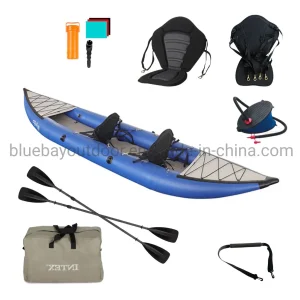
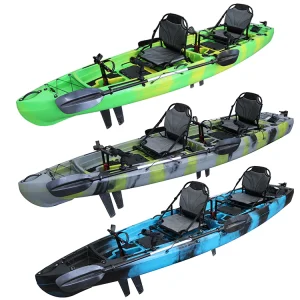
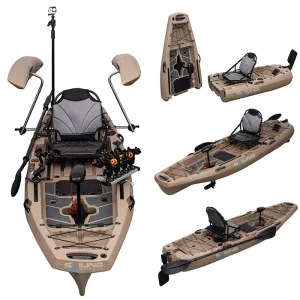
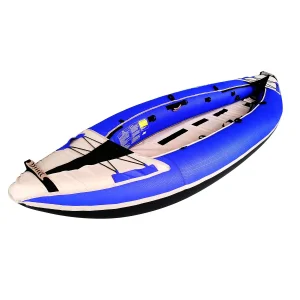
Highly versatile craft engineered for low draft, high solar durability, and optimal tracking in fluctuating tidal zones.
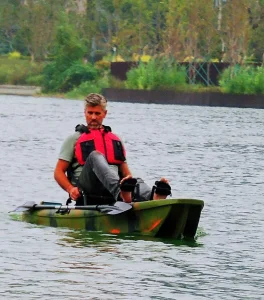
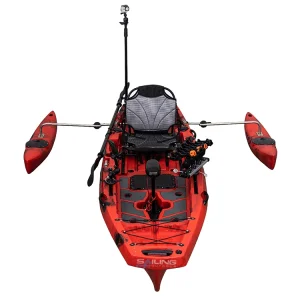
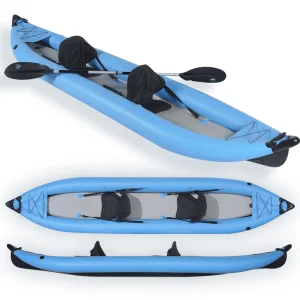
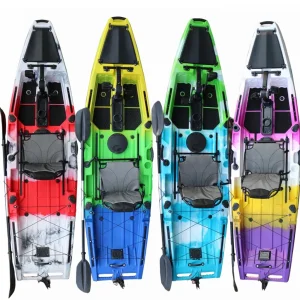
Kiribati, comprising 33 low-lying atolls and reef islands dispersed across 3.5 million square kilometers of the central Pacific Ocean, presents a highly challenging geographical and environmental envelope. With lands rarely exceeding three meters above sea level, the country is intensely bound to the surrounding ocean. Traditional fishing vessels, though cultural relics, are increasingly complemented by high-performance, low-maintenance synthetic personal watercraft. These modern vessels are crucial for sustaining localized commerce, enabling artisanal fisheries, and supporting tourism operations across Tarawa, Kiritimati (Christmas Island), and the remote outer groups.
As a premier kayak manufacturer and exporter, we configure our watercraft lines to address these specific environmental parameters: severe equatorial UV radiation (UV Index exceeding 11 year-round), coral head abrasion risks in shallow lagoons, extreme water salinity levels, and localized logistical limits that restrict fuel availability for outboard motors.
Proof is in the performance. We deliver elite-grade engineering and material durability across every hull shape.
Our commitment extends beyond exporting high-quality craft at a competitive price. We establish long-term logistics channels to ensure reliable, high-grade watercraft distribution across the Pacific.
By utilizing premium-grade, high-density rotomolded polymers and structural drop-stitch PVC fabrics, we deliver hulls that withstand intense heat and abrasive reef environments.
We provide comprehensive supply chains, replacement component inventories (including rudder pins, drive gears, and seats), and cargo-optimized packing options to secure safe maritime transit.
Understanding the technical shift toward eco-friendly polymers, mechanical drive systems, and modular structures.
Modern rotomolded hulls utilize Linear Low-Density Polyethylene (LLDPE) enhanced with UV stabilizer concentrates (typically UV-8 up to UV-16 ratings). This structural matrix inhibits photolytic degradation caused by intense equatorial sunlight. By using advanced mold release systems and automated cooling cycles, we achieve consistent wall thickness throughout the hull, preventing weaknesses along critical structural edges.
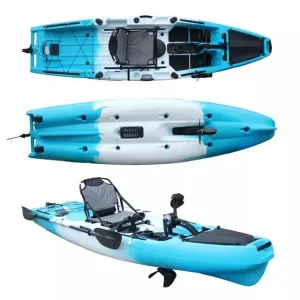
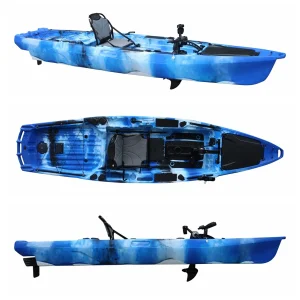
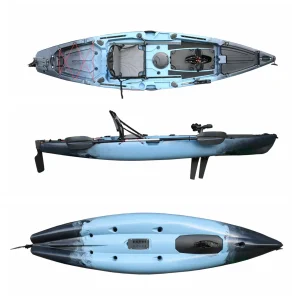
The market continues to transition from traditional paddle propulsion to high-efficiency fin-type or propeller-type pedal drive mechanisms. These mechanical systems transfer leg power into forward thrust, optimizing speed and reducing operator fatigue. By incorporating marine-grade stainless steel components alongside anodized aluminum and carbon fiber drive shafts, our propulsion units resist corrosive, high-salinity marine environments.
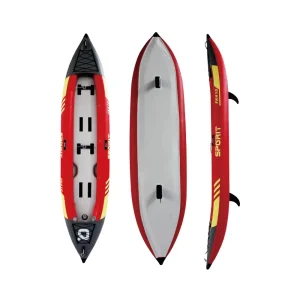
Drop-stitch inflatable technology features tens of thousands of fine polyester threads connecting two parallel layers of robust PVC. When inflated to high pressures (typically 12 to 15 PSI), the craft matches the rigidity of hard-shell rotomolded designs while maintaining a lightweight profile. This construction approach is highly valuable for remote Pacific island groups where storage space and regional transport cargo weight are constrained.
UV8 Stabilized LLDPE
Max Load Capacity Hulls
Fuel Emissions Required
Ocean-Ready Durability
Our structural goals and sustainability path for the Pacific region over the next decade.
| Technology Development Area | Current Industry Standard | Our Engineering Standard | Future Roadmap (2026-2030) |
|---|---|---|---|
| Polymer Composition | Standard PE with UV-8 stabilizers. Can degrade after 4 years of equatorial exposure. | Premium LLDPE formulated with UV-16 inhibitors. Resists degradation for up to 10 years. | Transition to bio-derived resins and recycled marine ocean plastics without losing structural strength. |
| Propulsion Performance | Plastic mechanical fin components susceptible to degradation and calcification. | Rotary gear assemblies with stainless steel shafts and anodized aluminum pedals. | Integration of light, flexible solar-assisted micro-thrusters with saltwater-sealed batteries. |
| Modular Assembly | Basic interlocking tabs prone to flexing under ocean swells. | Multi-point mechanical locks with integrated stainless structural pins. | Smart latching systems utilizing high-tensile carbon composites for seamless stability. |
| Inflatable Core Construction | Single-layer PVC with standard glue adhesives prone to heat degradation. | Dual-wall heat-welded drop-stitch materials with high-density outer protective coatings. | Recyclable TPU cores, providing lower overall weight with higher tear resistance. |
How our kayaks are deployed to support communities and marine enterprises across the Micronesian region.
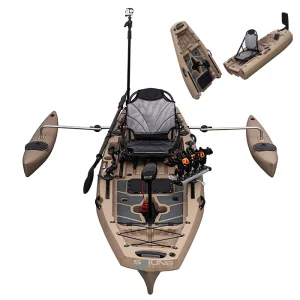
For coastal fishers in Tarawa and Abaiang atolls, small outboard motorboats are expensive to fuel and maintain. Our pedal-driven fishing kayaks offer a zero-fuel alternative, enabling access to outer reef drop-offs to harvest demersal fish and lobster. Outfitted with rod holders, bait tanks, and generous cargo wells, these craft provide essential support for local food security.
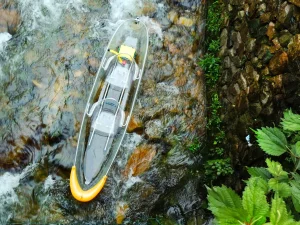
Kiritimati (Christmas Island) is a premier global destination for bonefishing and marine exploration. Our transparent double kayaks and high-capacity models enable eco-resorts to offer premium lagoon excursions. Visitors can observe flats and reef formations with minimal environmental impact, preserving the delicate coral ecosystems.
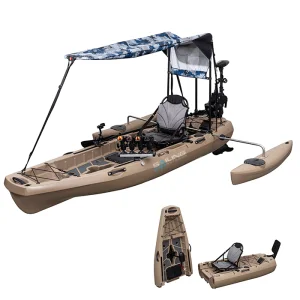
In the outer Gilbert and Line Islands, reef passages can be highly volatile. Modular and inflatable kayaks serve as resilient transport craft for ferrying goods, medical supplies, and personnel from larger ocean cargo ships directly across shallow reefs to the shore, especially when deep-water docks are unavailable.

Our collaborative approach brings together design expertise, premium materials, and standardized production processes. By combining the strengths of US engineering, German hydrodynamic hull design, and Australian manufacturing structures, we build racing shells and utility watercraft that set high performance and durability benchmarks.
Green operates as a complete watercraft and rowing resource. In addition to our modular and inflatable kayaks, we build coaching launches, specialized trailers, performance oars, and a full catalog of replacement marine parts, accessories, and tools.
Technical and logistical insights for clients importing and deploying kayaks across Kiribati.
Configurable platforms engineered for extreme durability, low maintenance, and optimal hydrodynamics in tropical marine settings.
Partner with a dedicated global manufacturer for container-load watercraft exports, replacement parts logistics, and customized marine platforms.
Send Export Inquiry Now Green Boat
