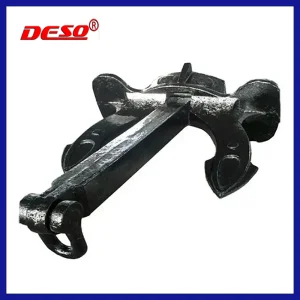
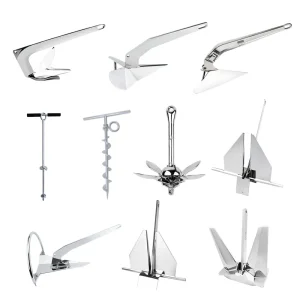
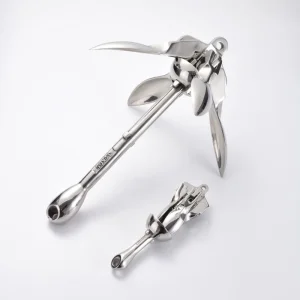
25-10000kgs Painted Whole Steel Plate Super High Holding Power Marine Mooring Stingray Anchor for Ship/Boat/Vessel/Offshore/Deep-Sea Aquaculture Cage

Still deciding? Get samples of $ !
Order Sample

Product Description

Basic Information
Model NO.
Mooring Anchor
Material
Steel
Certification
RS, LR, KR, GL, CS, Mill/ABS/BV/Dnv
Design
HHP Anchor
Weight (Kg)
10-5000kg
Colour
Blue/Yellow/Green/Black
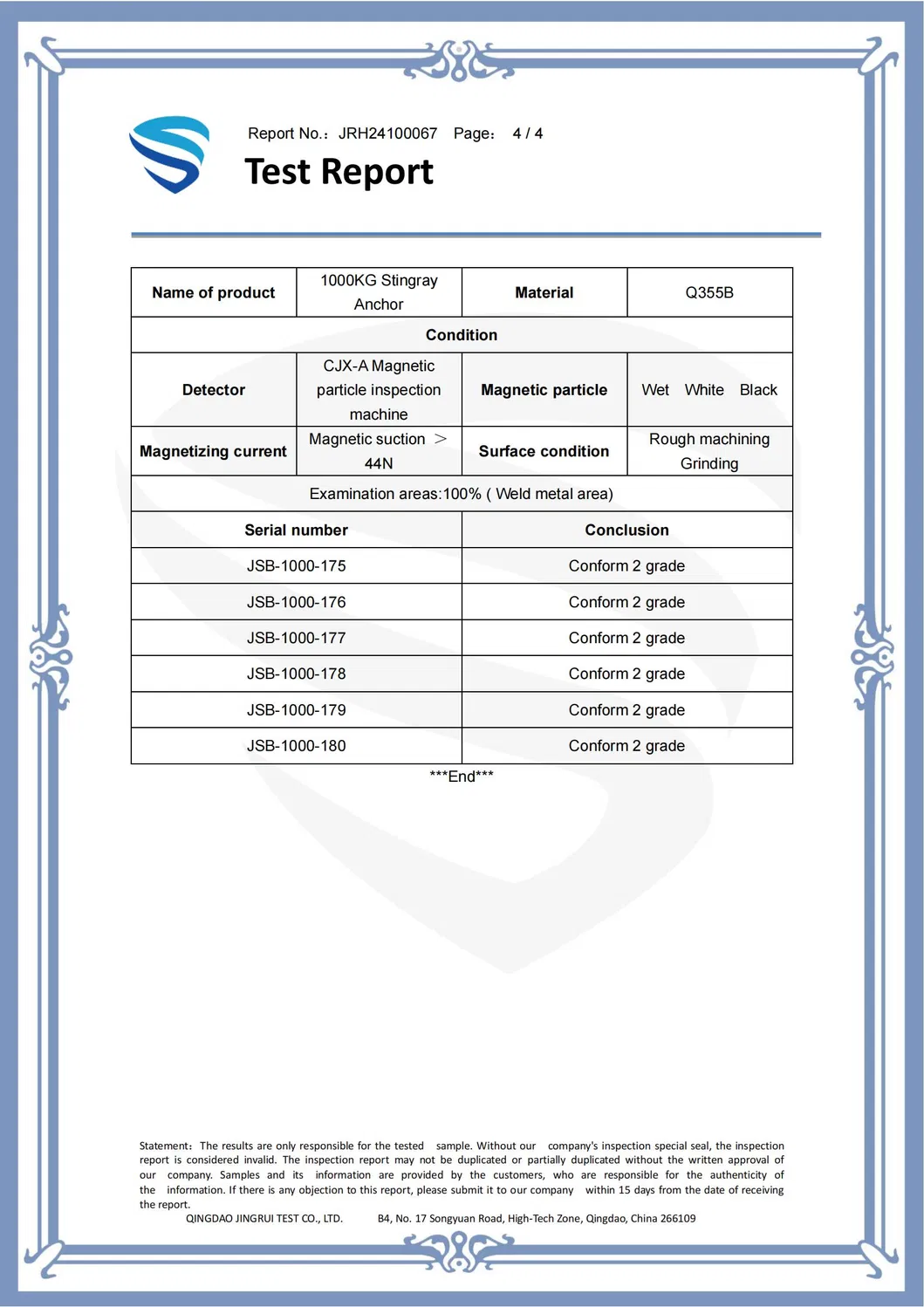
Inspection
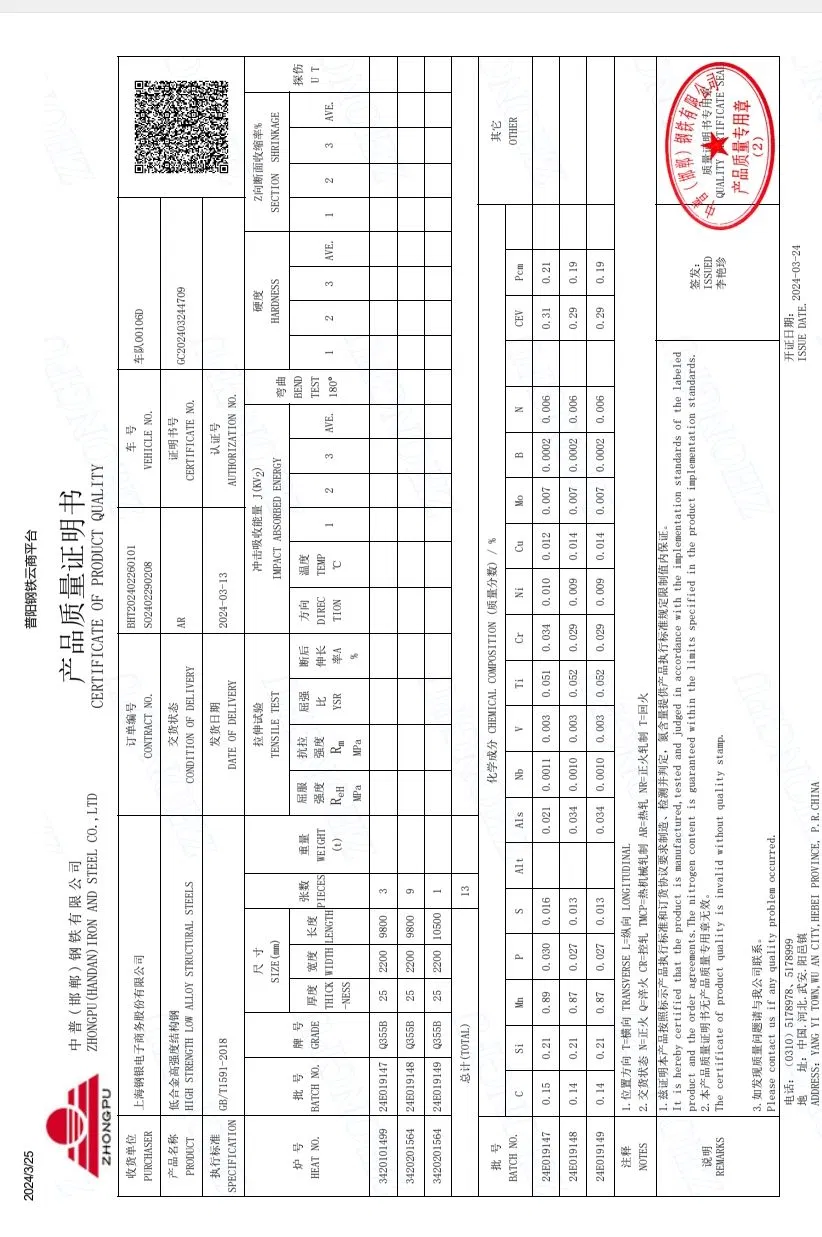
Mill Test Certificate Provided
Application
Marine Farming and Ship Mooring
HS Code
73160000
Product Description

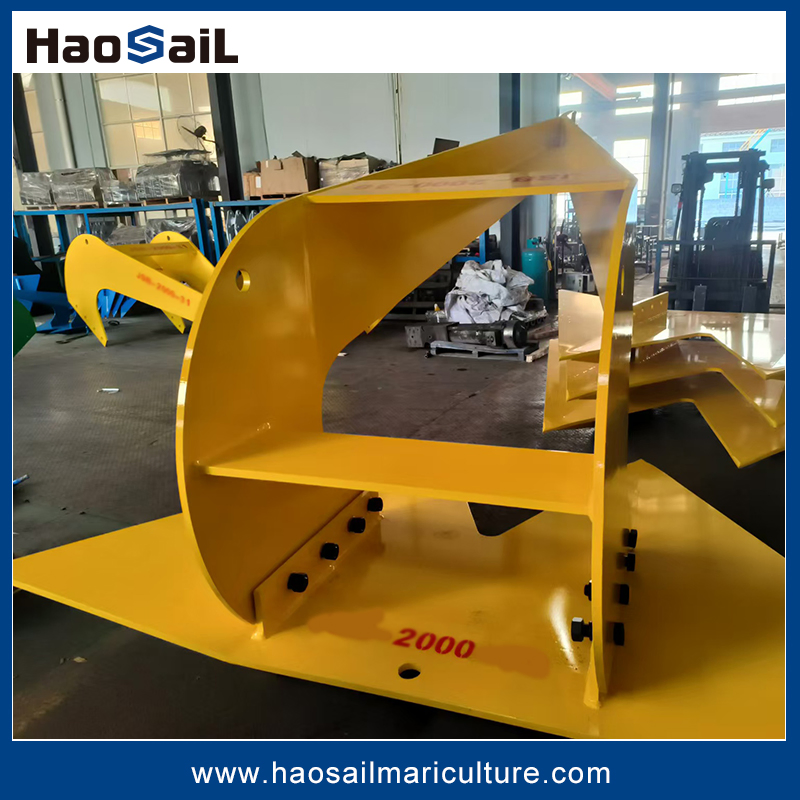
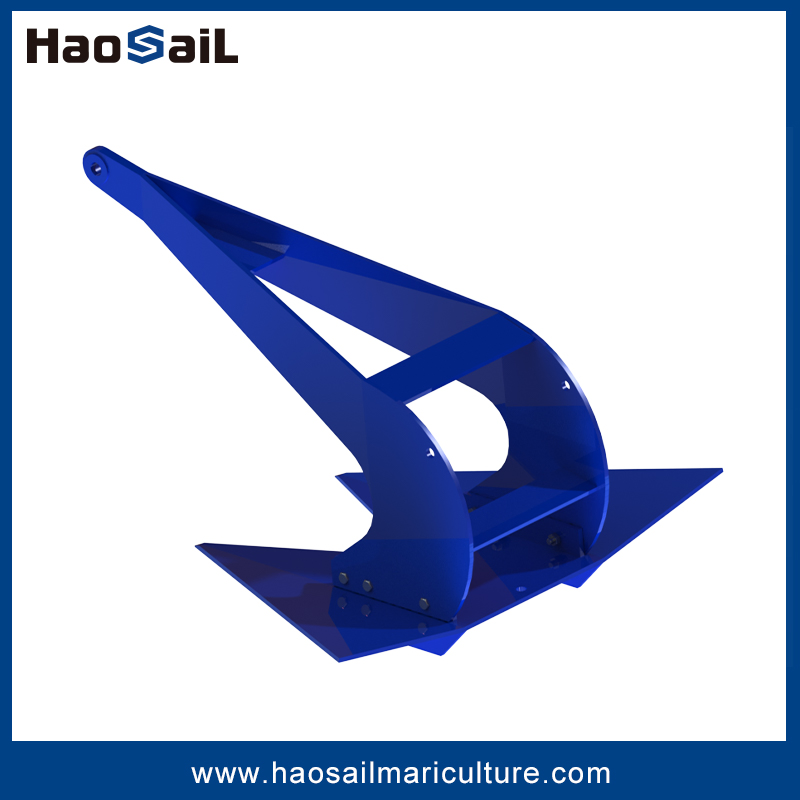
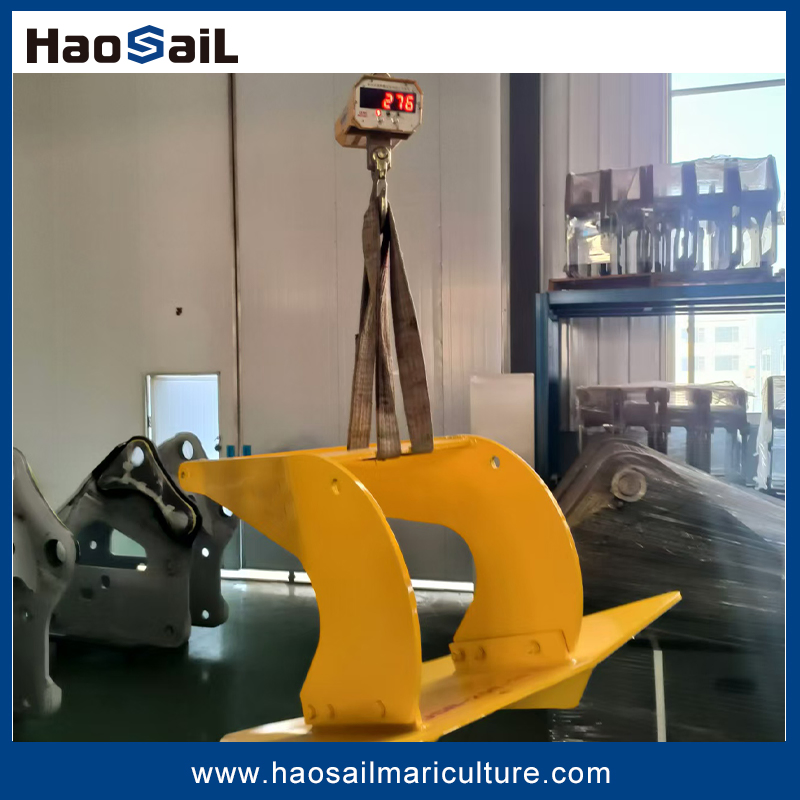
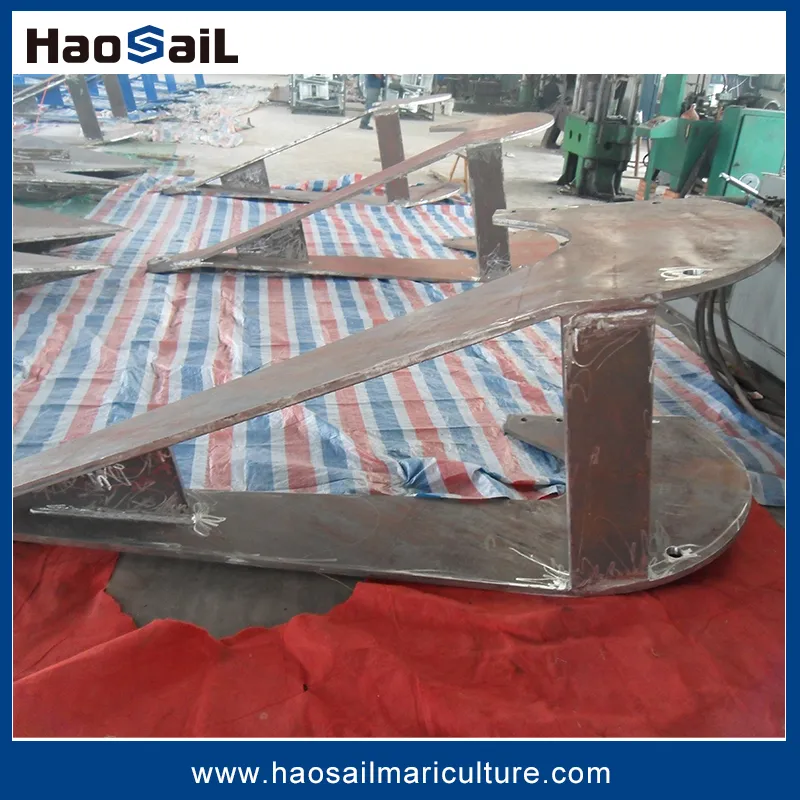
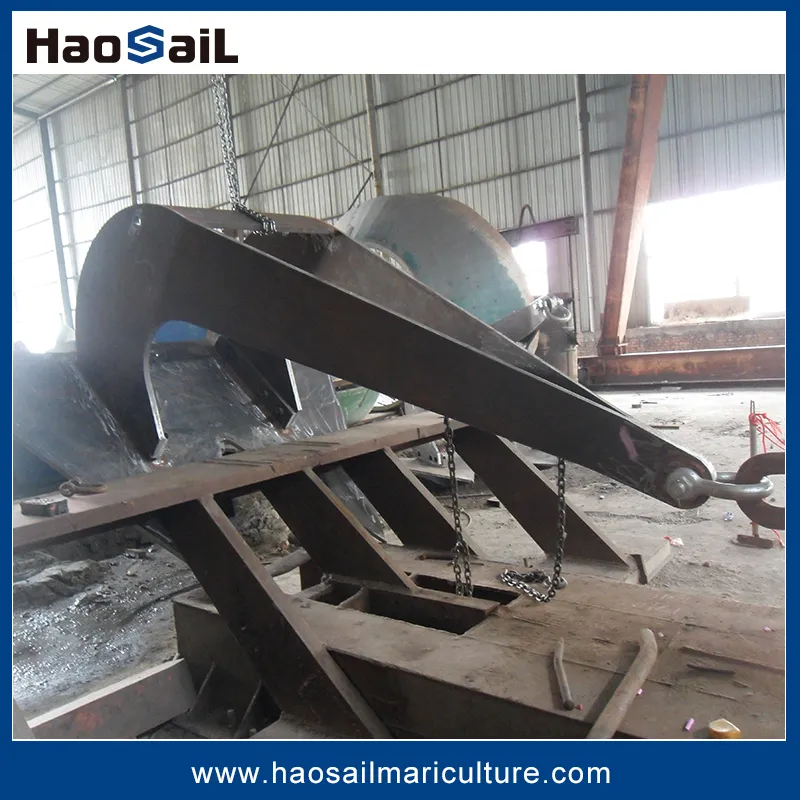
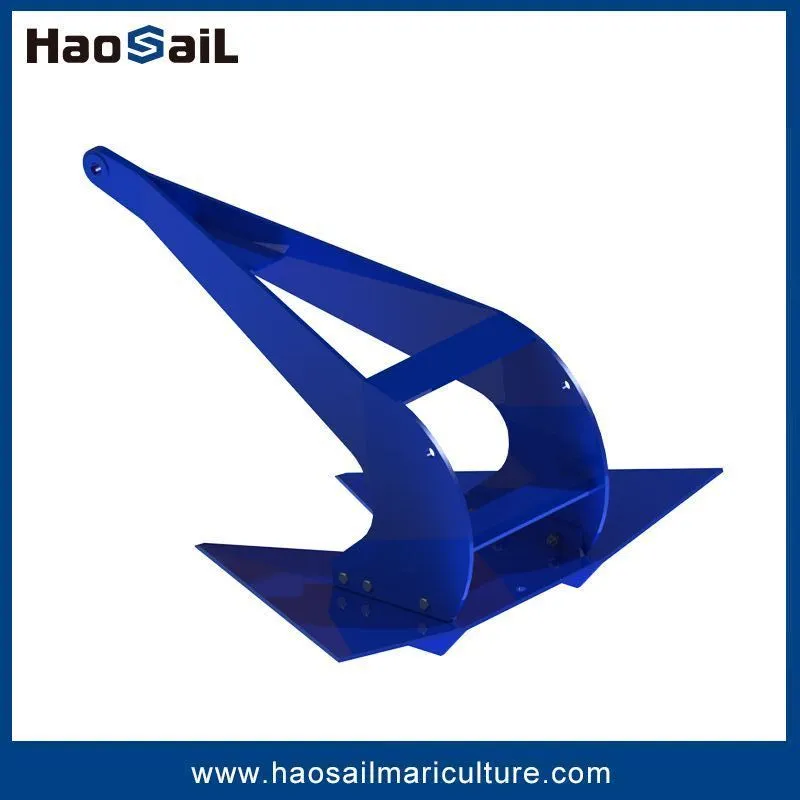
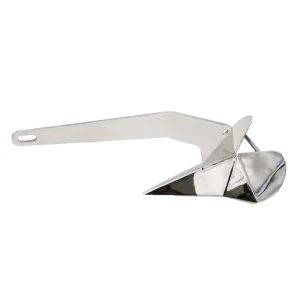
Super High Holding Power (SHHP) Stingray Anchor

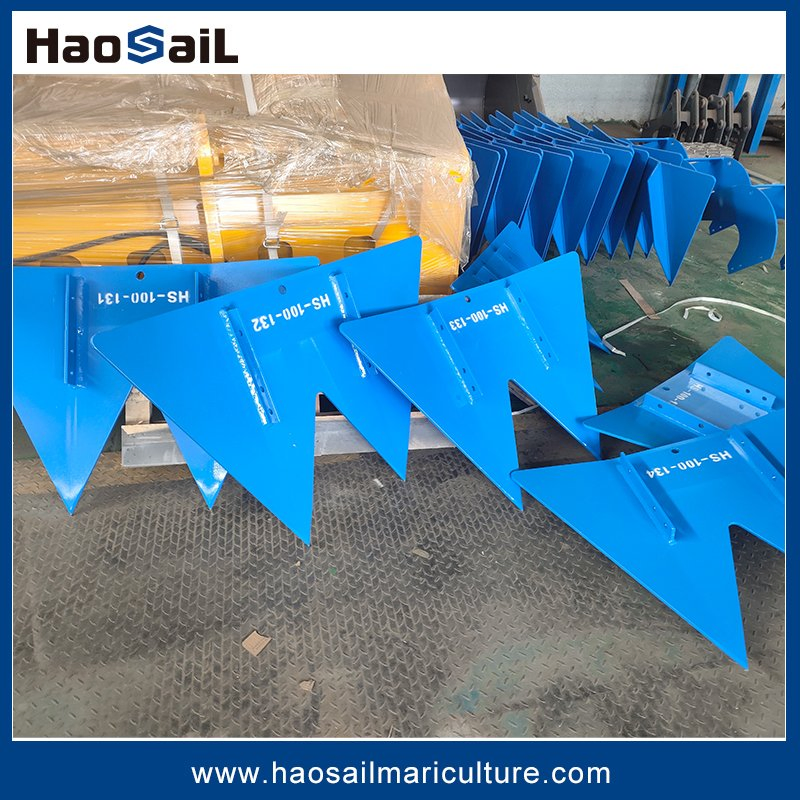
This SHHP anchor is manufactured from high-strength steel plate, engineered for versatile performance across seabed types including sand, clay, ooze, and reef environments. With a grasping coefficient 1.5 times that of standard anchors and triple the grasping force, it provides exceptional security for deep-sea aquaculture and marine mooring. Its simplified control mechanism makes it an ideal choice for demanding offshore requirements.
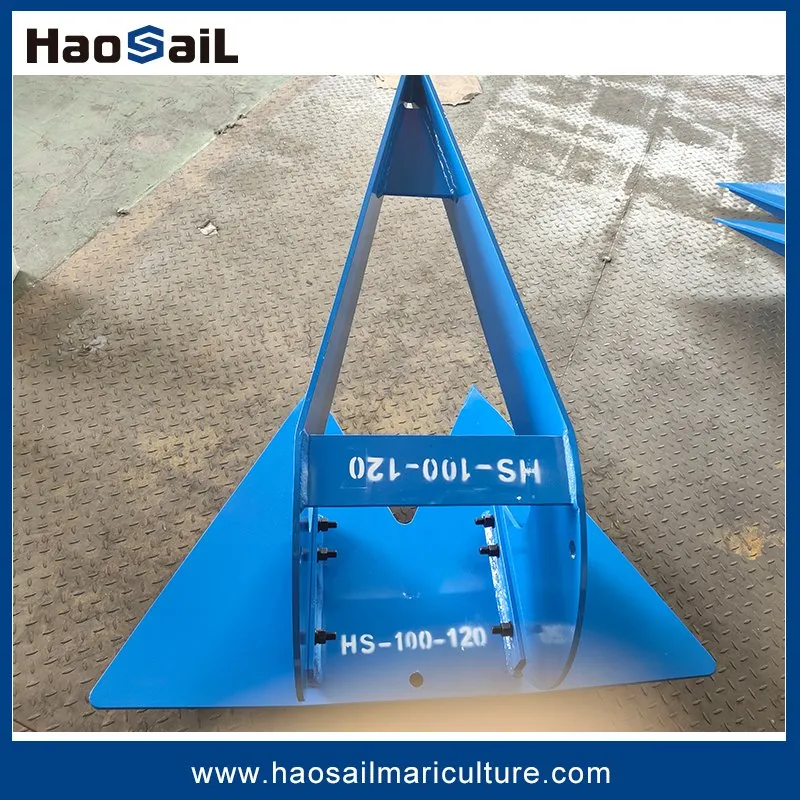
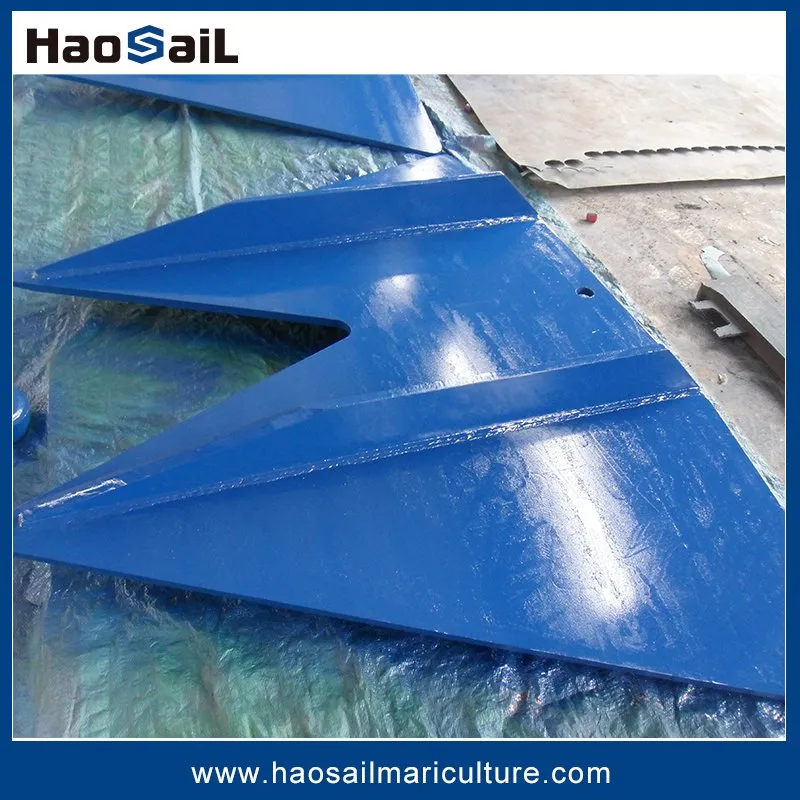
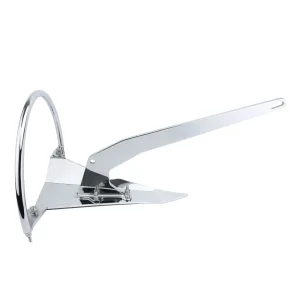
Super High Holding Power Marine Mooring Stingray Anchor
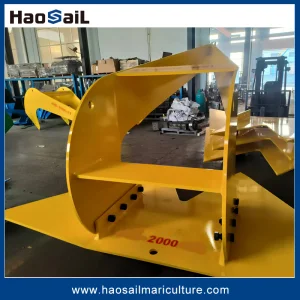
Steel Plate Super High Holding Power Anchor
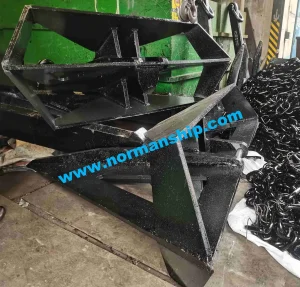
Marine Mooring Stingray Anchor detail
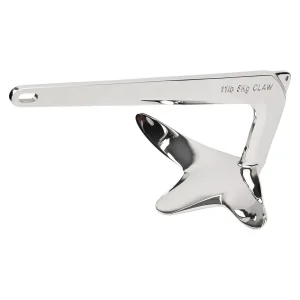
Marine Mooring Stingray Anchor side view
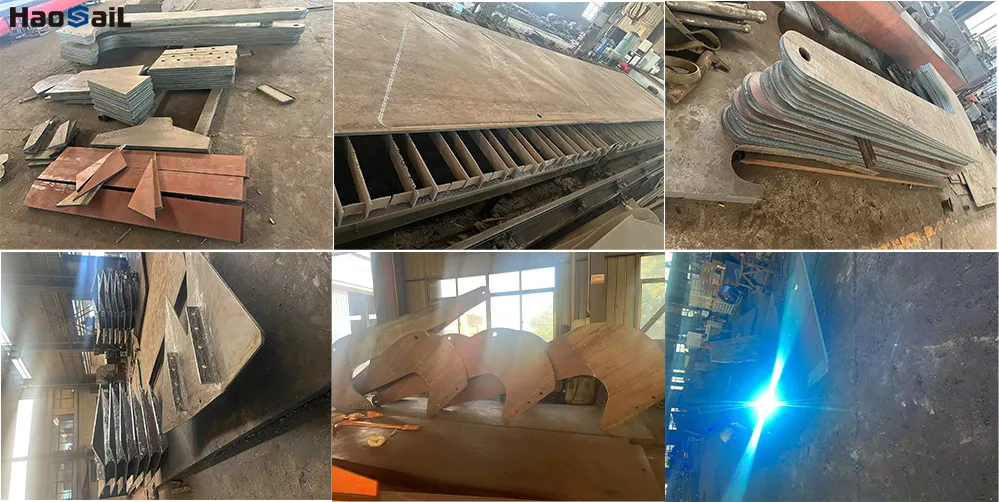
Production & Quality Control

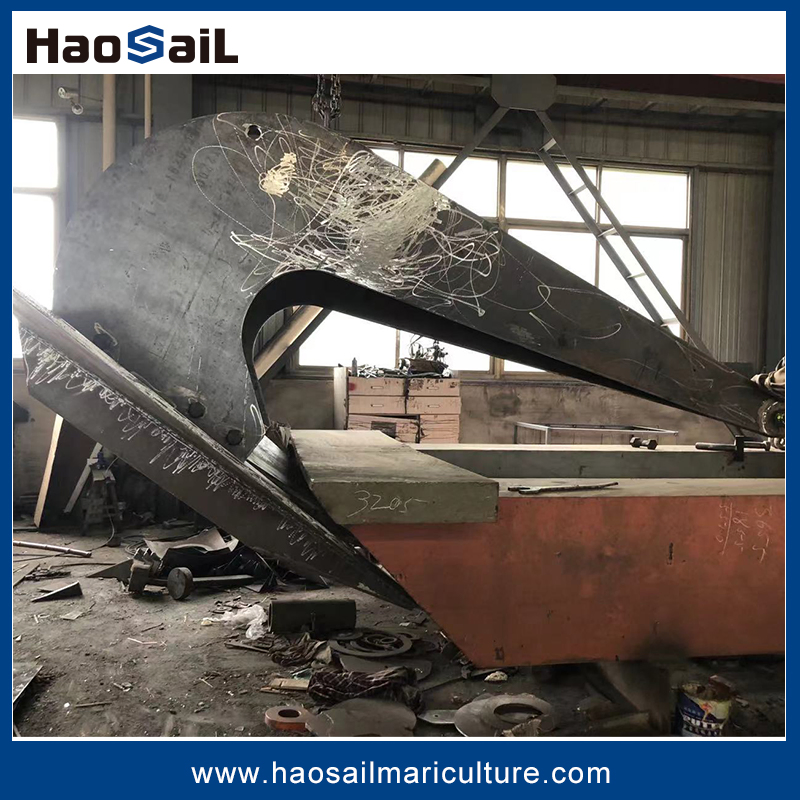
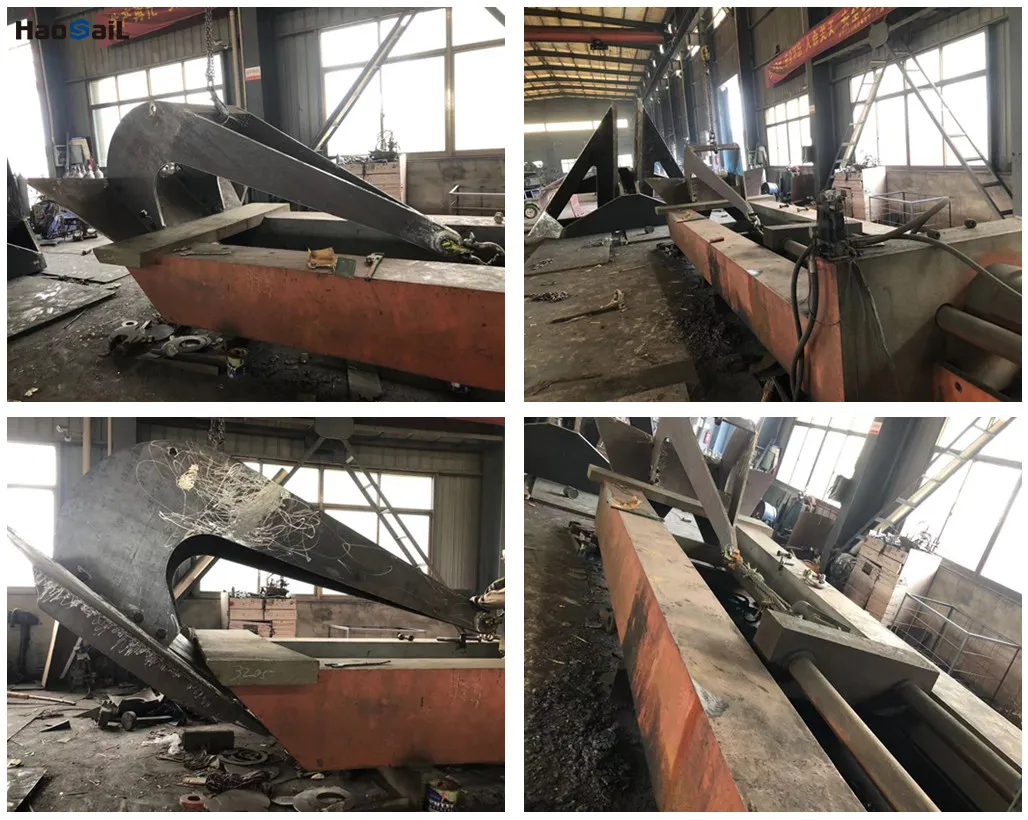
Our workshop utilizes advanced high-strength steel plate fabrication. We maintain a mechanical laboratory covering 1000 square meters, equipped with:
  • 6300KN multi-function tensile testing machine
  • Spark-OES and Metallurgical microscopes
  • Automatic impact and salt spray testing equipment
  • International CNAS certified laboratory standards
Workshop and production process
Testing laboratory
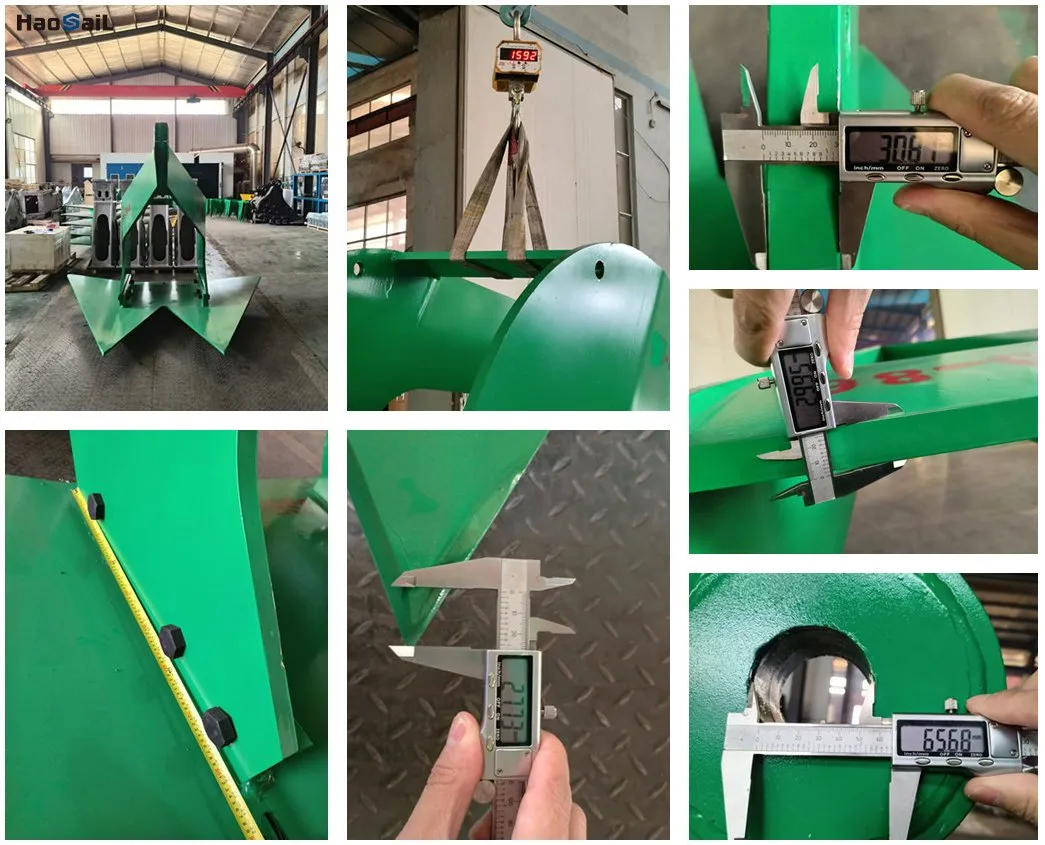
Anchor testing process
Product Parameters
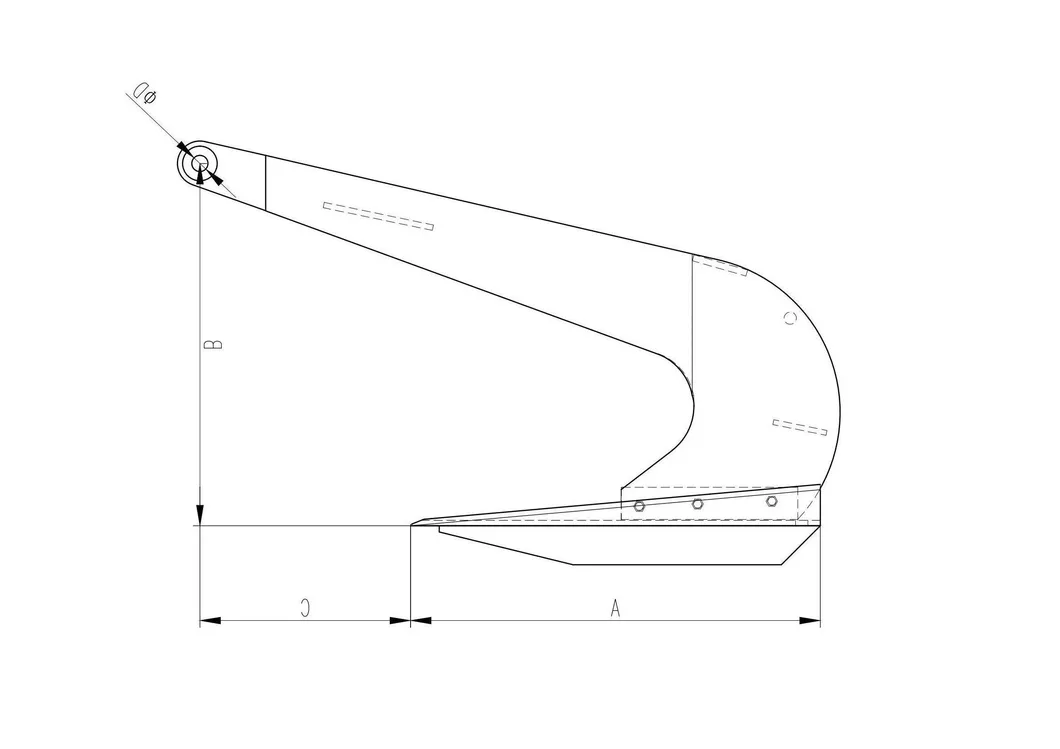
Stock No. Nominal Weight(KG) A (MM) B (MM) C (MM) ΦD (MM)
HSM0301010011038333919711
HSM0301010022555248628418
HSM0301010035067659834721
HSM0301010047570762536325
HSM03010100510078169140125
HSM03010100615083974243232
HSM030101007250101189551939
HSM0301010085001351119069455
HSM0301010097501482131176162
HSM03010101010001662147085466
HSM03010101115001913169198366
HSM030101012200022201954114072
HSM030101013300024072160131290
HSM030101014500028352504145690
Anchor technical drawing illustration
Dimensions reference
Certifications & Material Quality

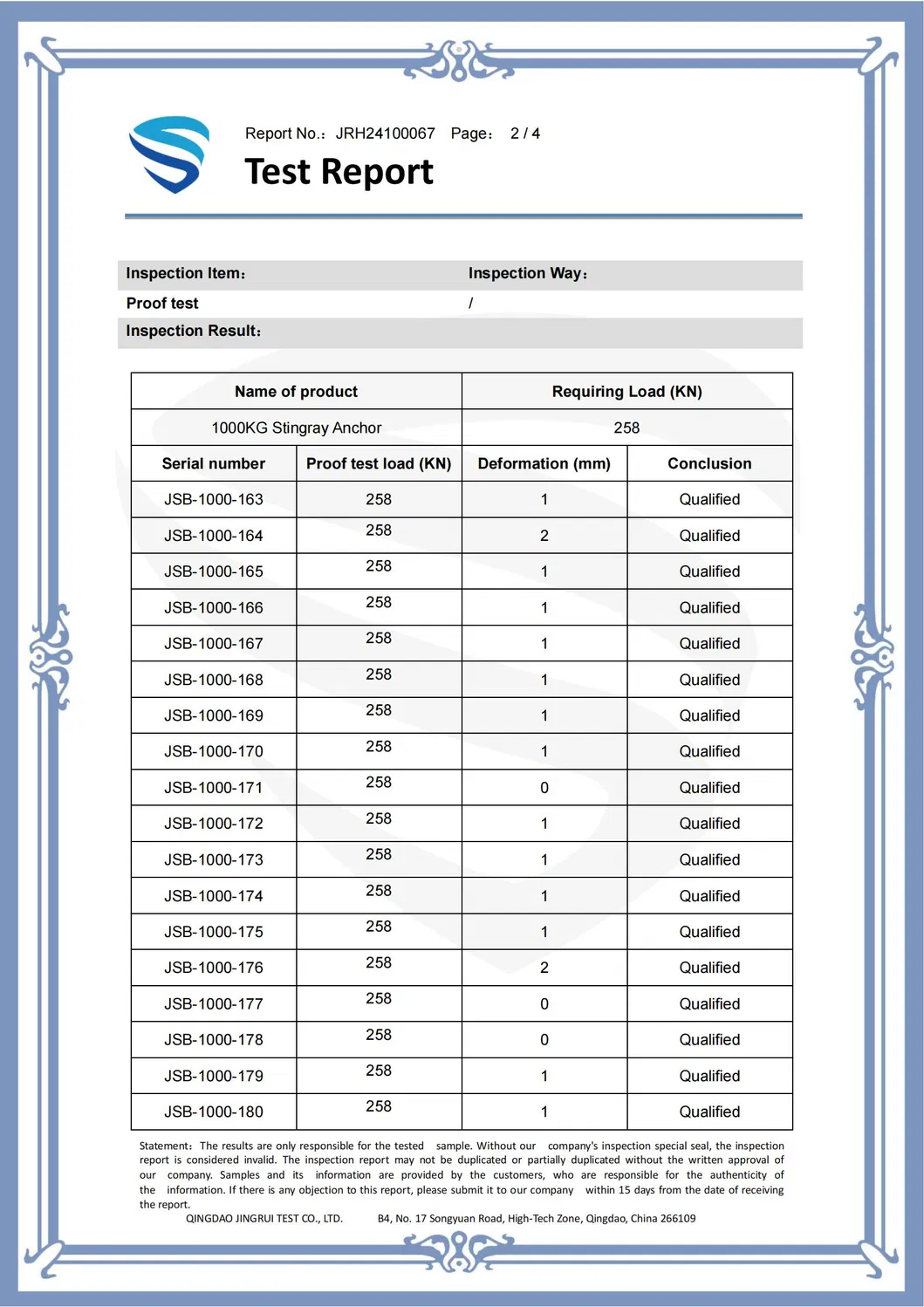
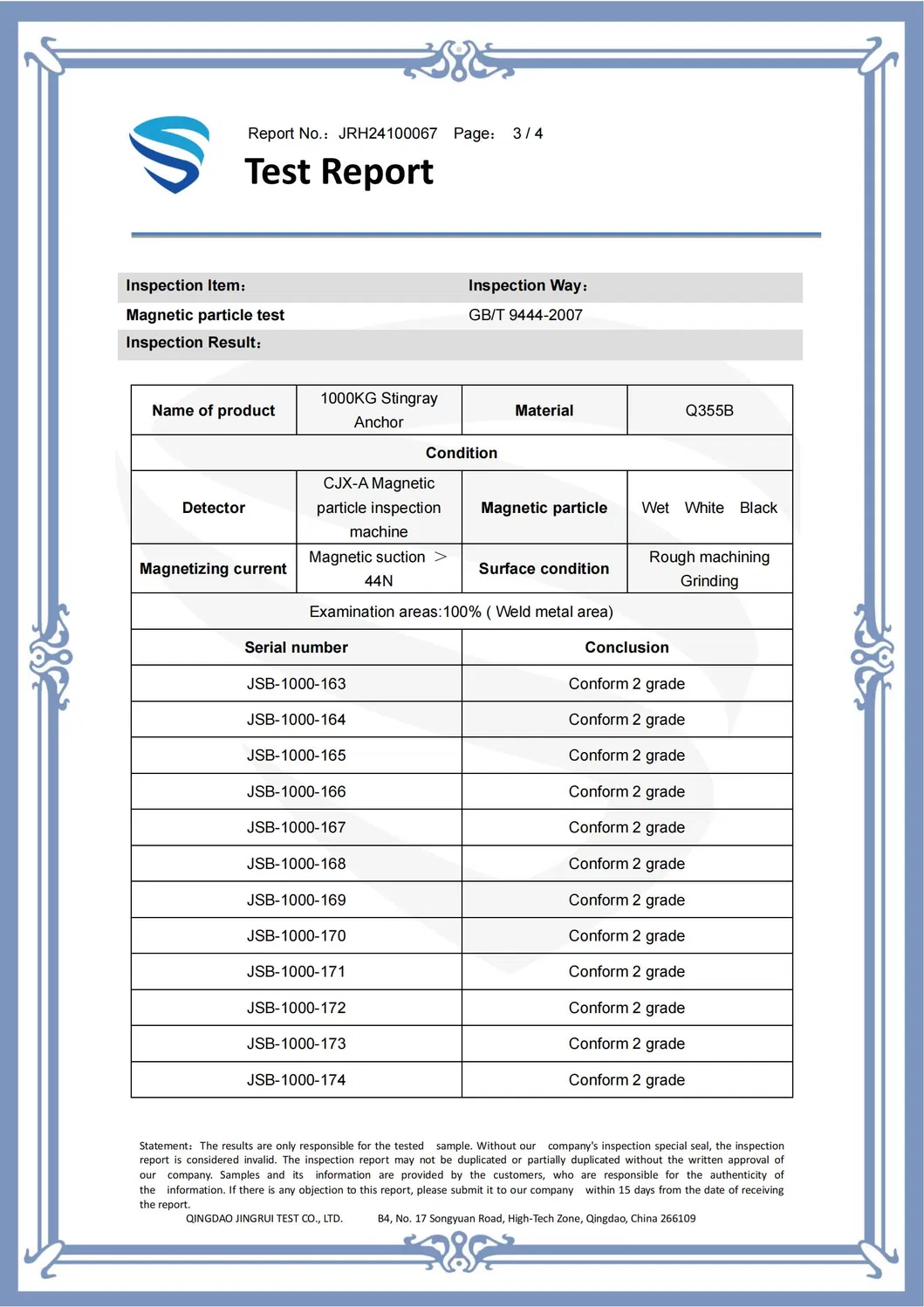
Complete traceability is provided with Mill certificates, detailed inspection reports, and steel material quality certification for every anchor produced.
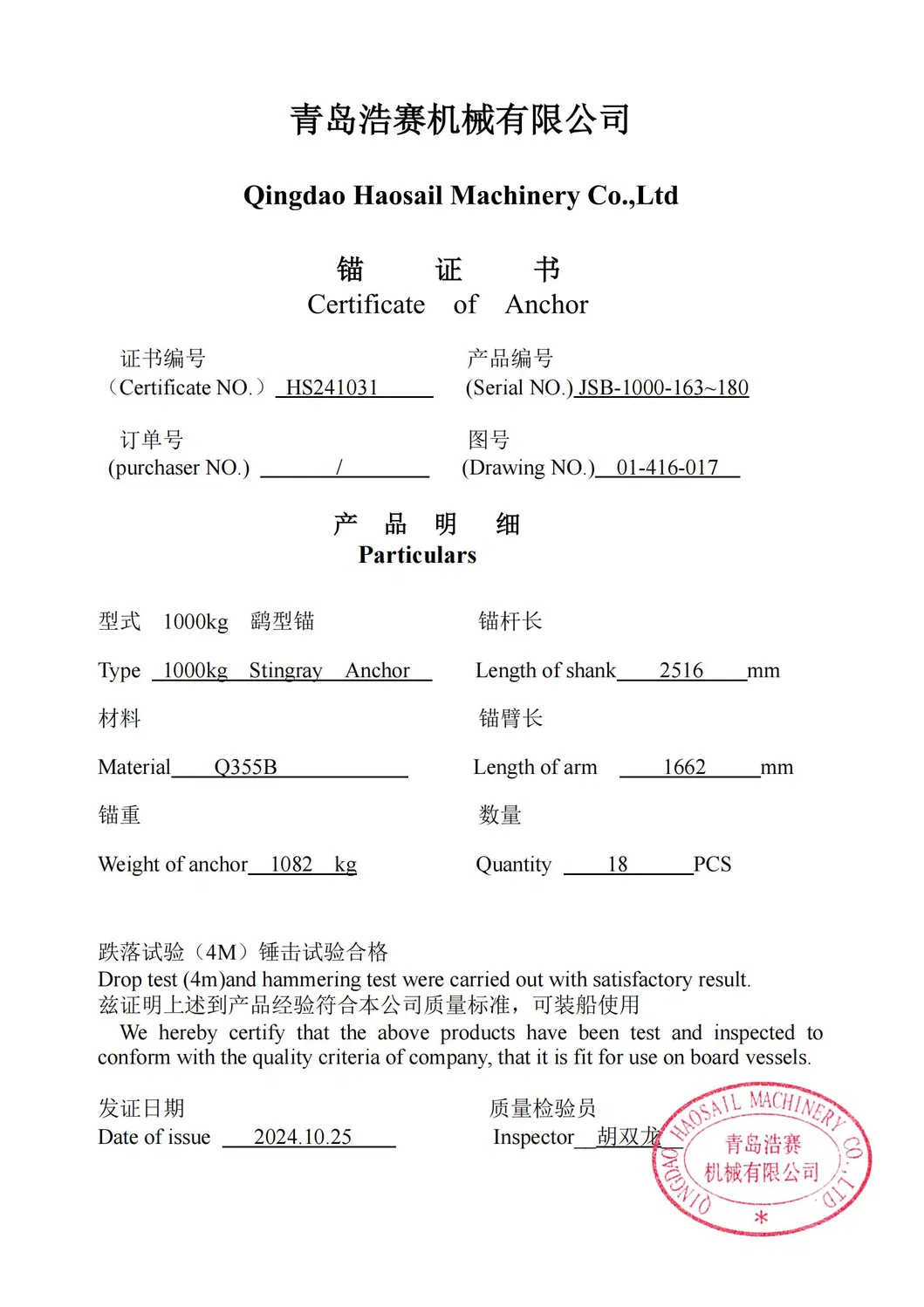
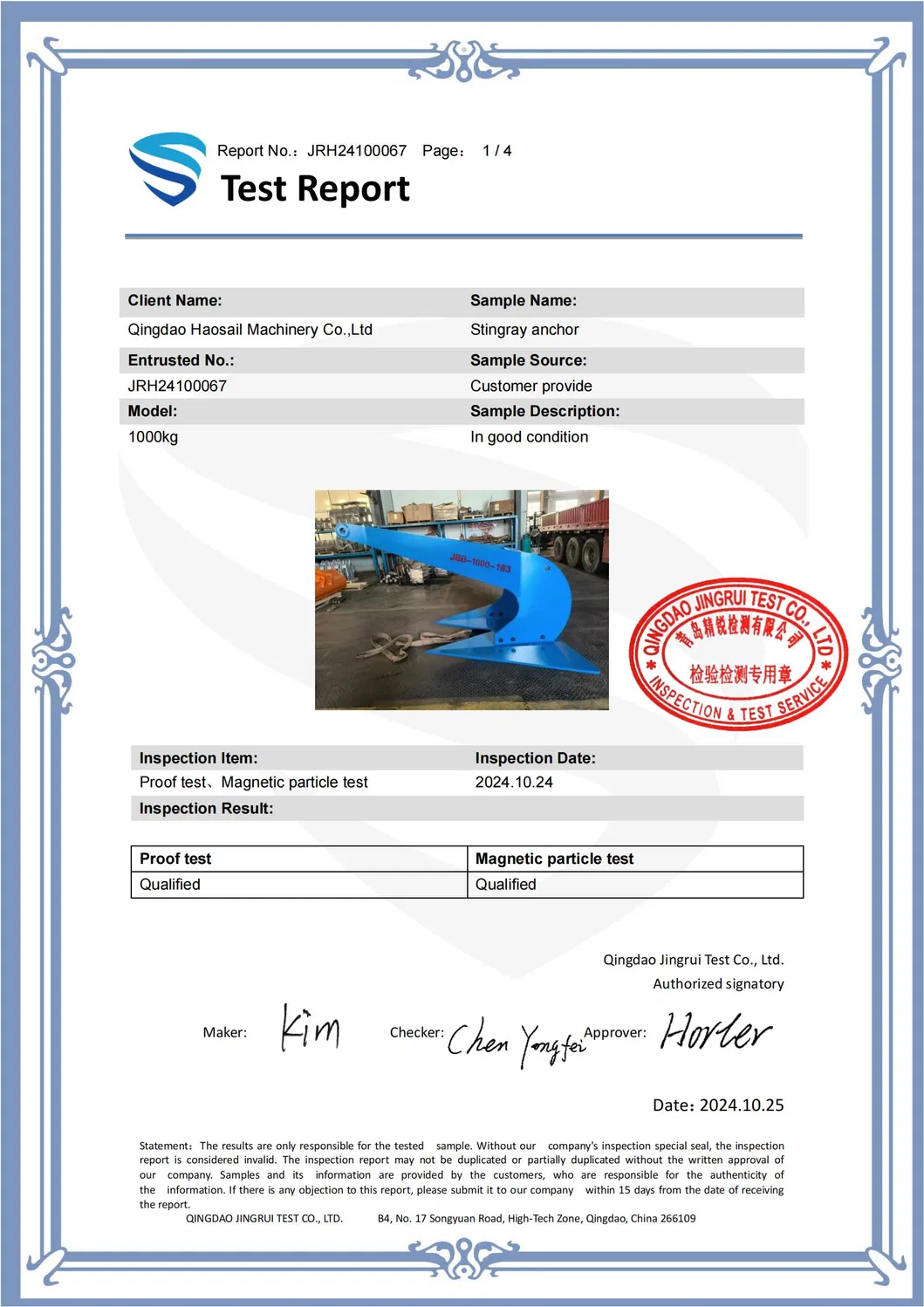
Certification document 1
Certification document 2
Certification document 3
Certification document 4
Certification document 5
Certification document 6
Packaging & Shipping
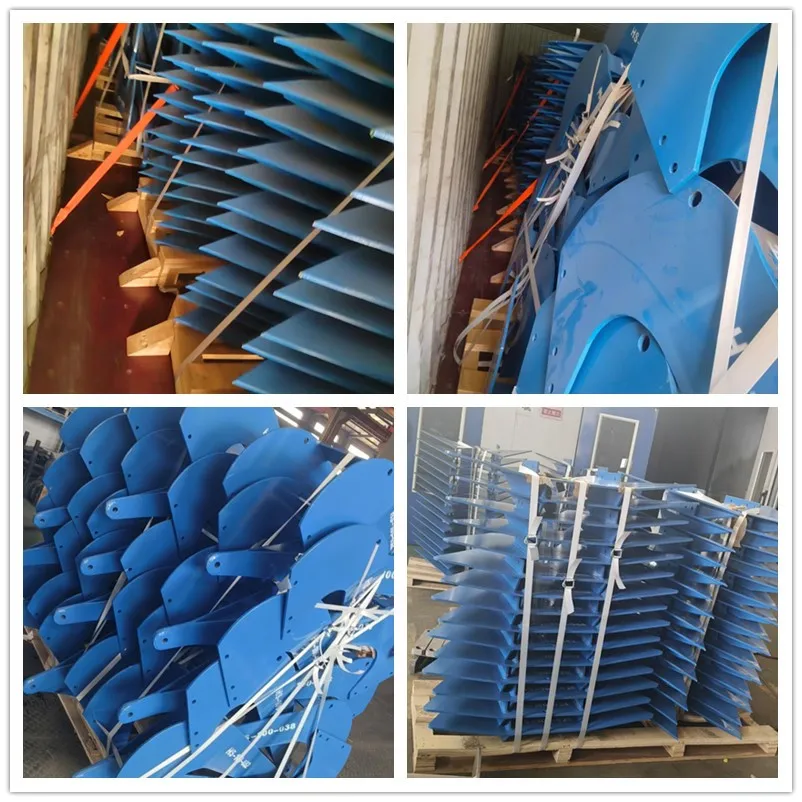
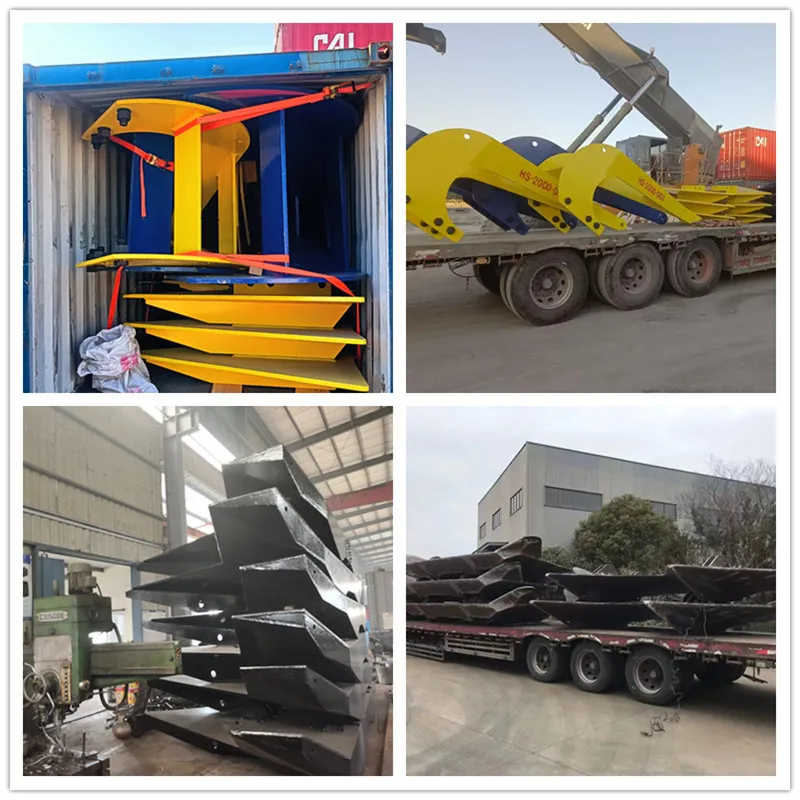
Standard packaging for shipping
Anchors ready for delivery
Our Service Scope

We specialize in synthetic solutions for Offshore oil & gas, Marine, and Aquaculture industries. Our offerings include:
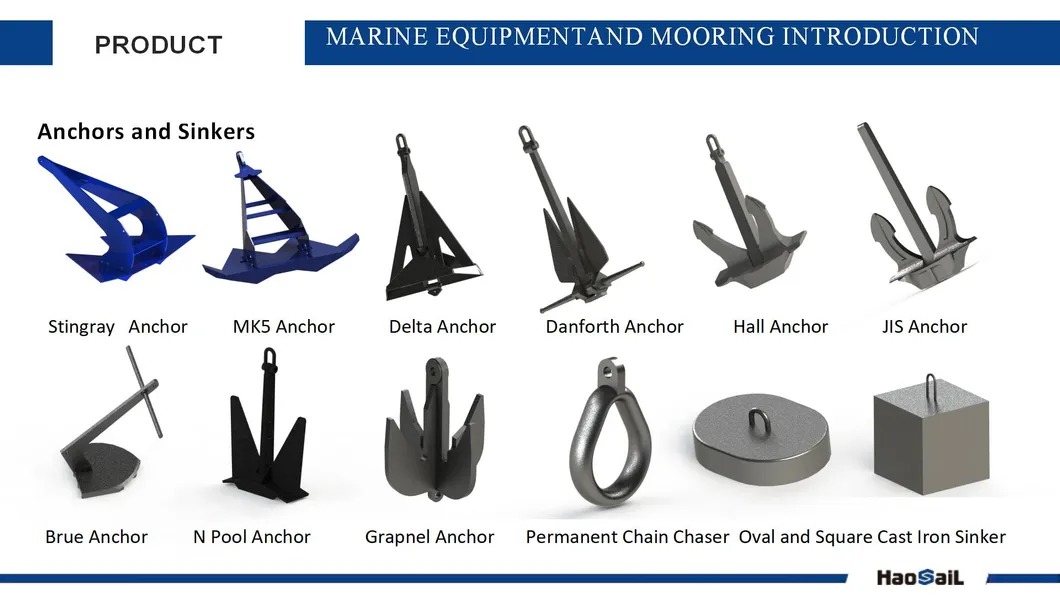
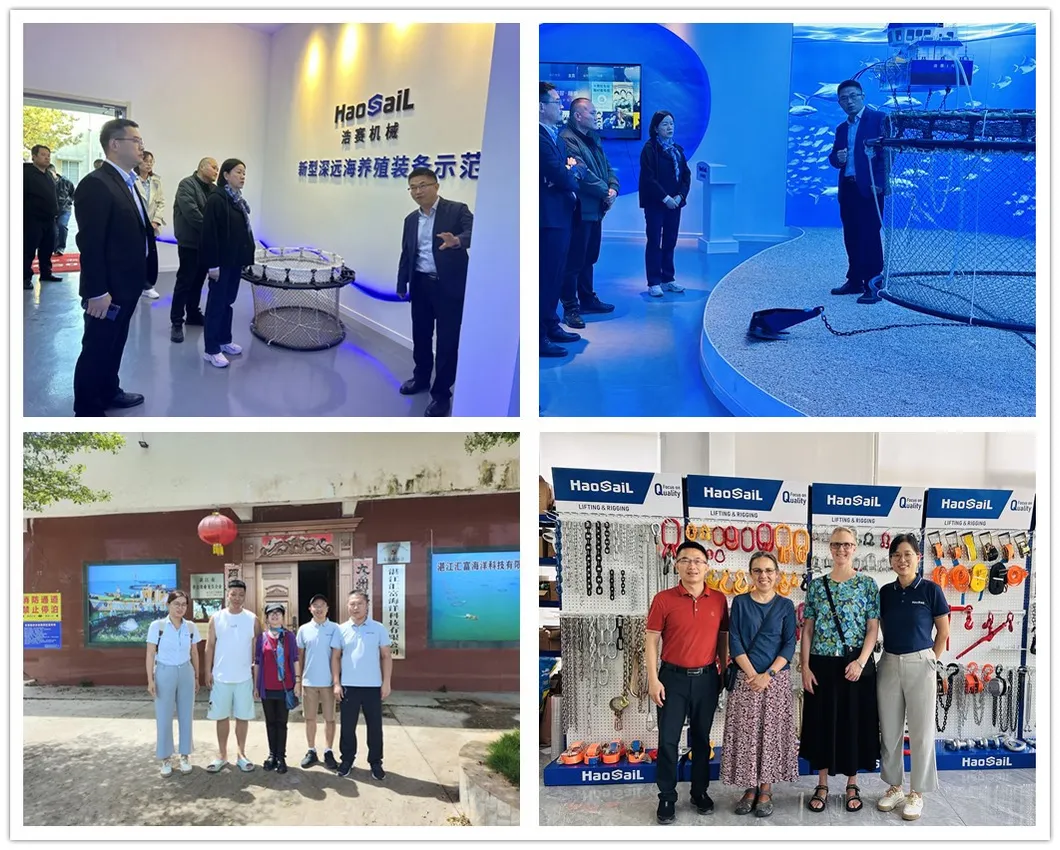
  • Anchors, Anchor Chains & Accessories
  • Marine Deck Fittings (Chocks, Bollards, Fairleaders)
  • Mooring Ropes & Steel Cables
  • Mooring Systems & Buoys
  • Heavy Lift Synthetic Slings
  • Technical Training & Design Services
Project solutions
Marine equipment display 1
Marine equipment display 2
Frequently Asked Questions
Q: How often does a marine anchor need to be cleaned? A: It is recommended to clean the marine anchor every time the ship docks. During the voyage, substances like sediment and salt are likely to adhere to the anchor body. Rinse with fresh water and use a brush to remove dirt and rust to prevent accelerated corrosion.
Q: How to check whether the anchor flukes are damaged? A: Regularly inspect for deformations, cracks, or excessive wear, particularly at the tips and curved parts. For critical safety assurance, non-destructive testing using flaw detection equipment is recommended to identify subtle cracks.
Q: Which parts of a marine anchor need regular lubrication? A: The pin shafts, rotating components, and connection joints require regular lubrication. Lack of lubrication leads to increased wear and can hinder the hoisting and lowering process. Use specialized marine lubricating grease.
Q: What are the precautions for storing a marine anchor? A: Store in a dry, ventilated area. Ideally, the anchor should be hung to prevent friction and ground-contact corrosion. Keep it away from harsh chemicals that could damage the steel body.
Q: What should be done when slight rust is found? A: Grind off the rust with sandpaper or a wire brush until the metal luster is visible, then immediately apply a layer of anti-rust paint. Monitor the area closely to ensure the rust does not spread.
Q: What environments is the Stingray anchor suitable for? A: It is designed for diverse seabed geologies including sand soil, clay, ooze, and reef environments, making it highly versatile for both ship mooring and deep-sea aquaculture.

Related Products